
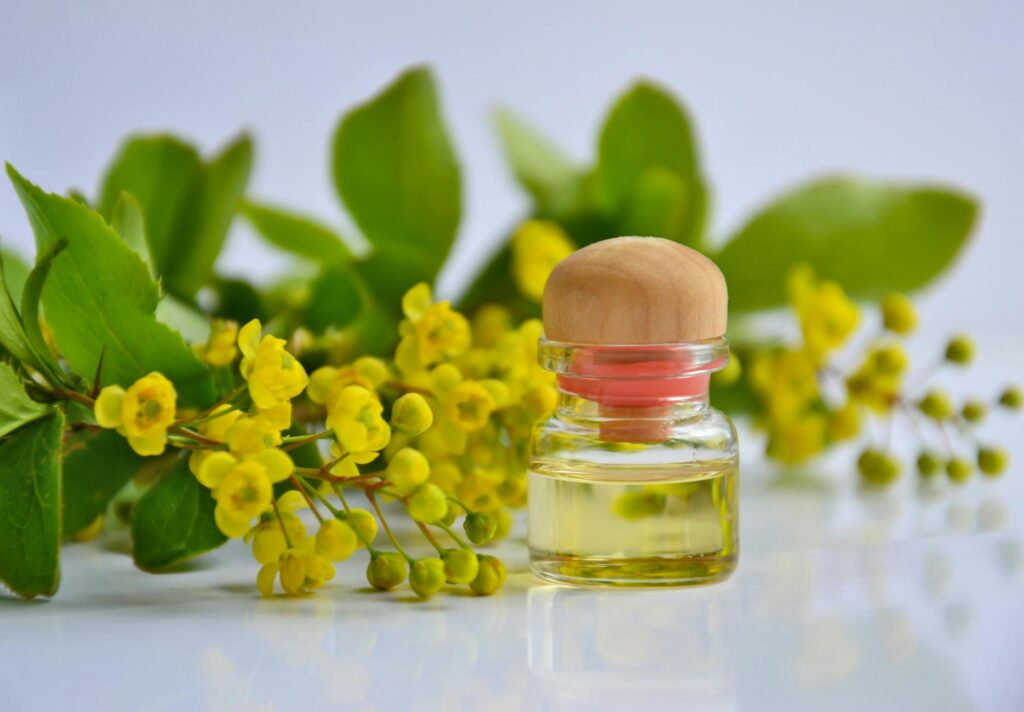
Complete Guide to Echinacea Extract
Introduction
Echinacea, commonly known as coneflower, is a genus of flowering plants in the daisy family, Asteraceae. Native to North America, this vibrant plant has been used for centuries in traditional medicine, particularly by Native American tribes. Echinacea extract, derived from the plant’s roots, leaves, and flowers, has gained popularity in the realm of herbal remedies and wellness products. This guide aims to provide a comprehensive overview of echinacea extract, exploring its properties, benefits, uses, and precautions.
What Is Echinacea Extract?
Echinacea extract is a concentrated liquid derived from the Echinacea plant, primarily Echinacea purpurea, Echinacea angustifolia, and Echinacea pallida. The extraction process typically involves using solvents like alcohol or glycerin to draw out the beneficial compounds from the plant material. Echinacea contains various bioactive components, including polysaccharides, glycoproteins, and flavonoids, which contribute to its potential health benefits.
Key Benefits and Properties
Echinacea extract is renowned for its potential health benefits, although scientific research is ongoing. Some of the key components and properties include:
- Immune Support: Echinacea is often associated with immune-boosting properties. Some studies suggest that it may help enhance the activity of immune cells and increase the production of cytokines.
- Anti-Inflammatory Effects: The extract contains compounds that may help reduce inflammation, potentially benefiting those with inflammatory conditions.
- Antioxidant Activity: Echinacea is rich in antioxidants, which help combat oxidative stress and protect cells from damage caused by free radicals.
- Antimicrobial Properties: Echinacea has been studied for its potential antibacterial and antiviral effects, making it a popular choice in herbal preparations aimed at promoting wellness during cold and flu seasons.
- Immune System Support: Many people take echinacea extract as a preventive measure during cold and flu season, aiming to bolster their immune response.
- Respiratory Health: Echinacea is sometimes used to alleviate symptoms associated with respiratory infections, such as sore throats and congestion.
- Skin Care: The extract can be found in skincare products, where it is believed to help soothe and heal minor skin irritations due to its anti-inflammatory properties.
- Stress Relief: Some users incorporate echinacea into wellness routines aimed at managing stress and promoting overall well-being.
- Mood Enhancement: Echinacea’s uplifting aroma may contribute to a sense of well-being and emotional balance when diffused or used in blends.
- Supportive Blends: Echinacea can be combined with other essential oils, such as lavender or eucalyptus, to create synergistic blends that promote relaxation and respiratory support.
- Inhalation Therapy: Some practitioners may use echinacea extract in inhalation therapies, especially during cold and flu seasons, to support respiratory health.
- Allergic Reactions: Individuals who are allergic to plants in the Asteraceae family, such as ragweed, marigolds, or daisies, may also be allergic to echinacea.
- Pregnancy and Breastfeeding: The safety of echinacea during pregnancy and breastfeeding has not been extensively studied. It is advisable to consult a healthcare professional before use.
- Drug Interactions: Echinacea may interact with certain medications, including immunosuppressants and some antihistamines. Always consult a healthcare professional if you are taking medications.
- Underlying Health Conditions: Those with autoimmune diseases or other chronic health conditions should seek guidance from a healthcare provider before using echinacea extract.
- Cool, Dark Place: Store echinacea extract in a cool, dark location away from direct sunlight and heat, which may degrade the extract’s quality.
- Sealed Container: Keep the extract in a tightly sealed container to prevent contamination and evaporation of volatile compounds.
- Expiration Date: Most echinacea extracts have a shelf life of 1-2 years, depending on the extraction method and storage conditions. Always check the expiration date before use.
Common Uses
Echinacea extract is versatile and can be found in various forms, including tinctures, capsules, teas, and topical applications. Common uses include:
Aromatherapy Applications
While echinacea is primarily associated with herbal medicine, its essence can also be utilized in aromatherapy. Though not as common as other essential oils, echinacea’s unique properties can be beneficial:
To incorporate echinacea into aromatherapy, it can be used in oil blends, inhalers, or diffusers, though it is essential to ensure proper dilution and formulation.
Safety Considerations
While echinacea is generally considered safe for most individuals, it’s important to take certain precautions:
Storage and Shelf Life
To maintain the potency and efficacy of echinacea extract, proper storage is crucial:
Frequently Asked Questions
1. How is echinacea extract made?
Echinacea extract is typically made by soaking the plant material (roots, leaves, or flowers) in a solvent like alcohol or glycerin to draw out its beneficial compounds. This process results in a concentrated liquid that captures the essence of the plant.
2. Is echinacea effective for colds and flu?
While some studies suggest that echinacea may help reduce the duration and severity of colds, results can vary. Its effectiveness may depend on several factors, including the specific type of echinacea used and the timing of its administration.
3. Can echinacea be used by children?
Consultation with a healthcare professional is recommended before giving echinacea extract to children, as dosages and safety can vary based on age and health status.
4. How should echinacea extract be taken?
Echinacea extract can be taken in various forms, including tinctures, capsules, or teas. It is important to follow the dosage instructions on the product label or those provided by a healthcare professional.
5. Are there any side effects associated with echinacea?
Echinacea is generally well-tolerated, but some individuals may experience mild side effects such as gastrointestinal discomfort or allergic reactions. If any adverse effects occur, discontinue use and consult a healthcare professional.
Conclusion
Echinacea extract is a fascinating herbal remedy with a rich history and a variety of potential benefits. Whether used for immune support, as part of a skincare regimen, or in aromatherapy practices, this extract continues to capture the interest of herbal enthusiasts and wellness seekers alike. As with any herbal product, it is essential to use echinacea extract responsibly, keeping in mind individual health conditions and consulting with professionals when necessary. By understanding its properties and applications, one can appreciate the role of echinacea in the broader context of natural health and wellness.