
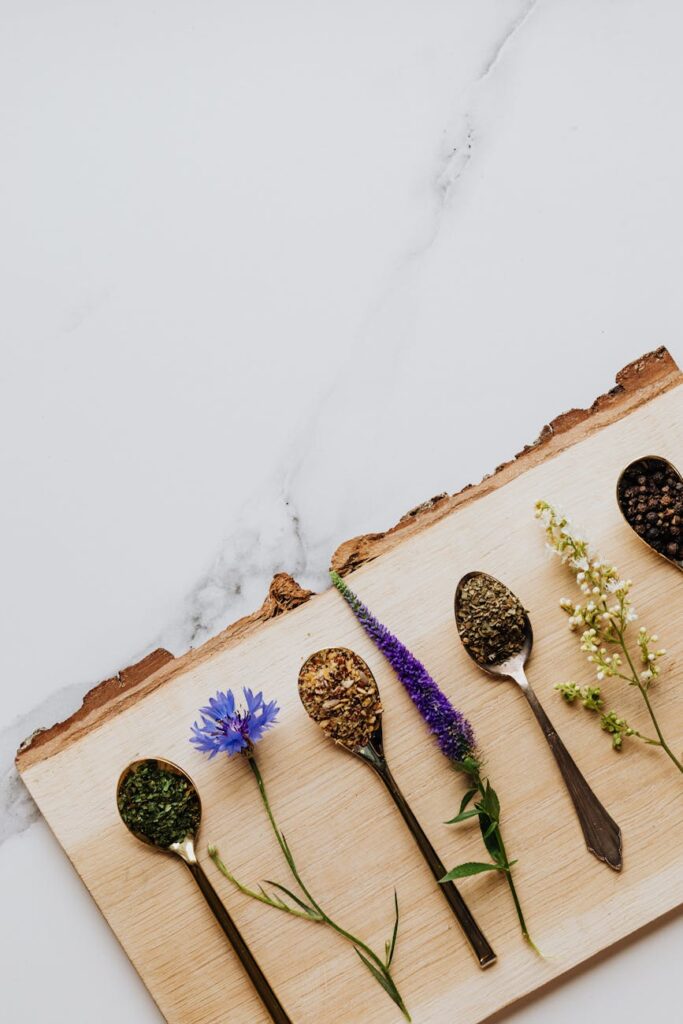
Complete Guide to Edible Flowers
Introduction
Edible flowers have been a part of culinary traditions for centuries, adding not only visual appeal but also unique flavors and aromas to dishes. From the vibrant petals of nasturtiums to the delicate blooms of violets, edible flowers can elevate both the aesthetics and taste of various culinary creations. This guide aims to provide a comprehensive overview of edible flowers, exploring their benefits, uses, and safety considerations.
What Is Edible Flowers?
Edible flowers are blossoms that are safe for human consumption, often enjoyed for their flavors, colors, and textures. These flowers can be incorporated into salads, desserts, beverages, and even main dishes. While some flowers are cultivated specifically for culinary purposes, others may be foraged from gardens or natural landscapes. It is essential to distinguish between edible and non-edible flowers, as many blooms can be toxic if consumed.
Common Edible Flowers Include:
- Nasturtiums: With a peppery flavor, these flowers are often used in salads.
- Calendula: Known for its vibrant orange petals, calendula is used in soups and salads.
- Violets: Sweet and fragrant, violets are commonly used in desserts and as garnishes.
- Borage: This flower has a cucumber-like flavor and is often used in beverages.
- Lavender: Known for its aromatic properties, lavender can be used in both savory and sweet dishes.
- Lavender: Known for its calming effects, lavender is often used in essential oils and aromatherapy to promote relaxation.
- Chamomile: Commonly used for its soothing scent, chamomile is often included in relaxing blends for aromatherapy.
- Foxglove
- Larkspur
- Rhododendron
Key Benefits and Properties
Edible flowers not only enhance the flavor and appearance of dishes but also come with various benefits:
Nutritional Value
Many edible flowers are rich in vitamins, minerals, and antioxidants. For instance, nasturtiums contain high levels of vitamin C and other beneficial compounds.
Flavor Enhancement
Edible flowers can add unique flavors to dishes. For example, the sweetness of violets can complement desserts, while the peppery taste of nasturtiums can enliven salads.
Aesthetic Appeal
The vibrant colors and diverse shapes of edible flowers can turn an ordinary dish into an extraordinary presentation, making meals more visually appealing.
Aromatic Qualities
Certain flowers, like lavender, possess aromatic qualities that can enhance the sensory experience of eating.
Common Uses
Edible flowers have versatile applications in the culinary world:
Salads
Many edible flowers can be used fresh in salads, adding a pop of color and unique flavors. For example, the peppery taste of nasturtiums pairs well with leafy greens.
Beverages
Flowers such as borage and hibiscus can be infused into teas, cocktails, or lemonade, imparting their unique flavors and colors.
Desserts
Violets, pansies, and lavender can be used to decorate cakes, cupcakes, and other desserts, while also contributing to flavor.
Garnishes
Edible flowers can be used as garnishes for various dishes, adding a touch of elegance to plates.
Infused Oils and Vinegars
Flowers like chamomile and rosemary can be infused into oils and vinegars, enhancing their flavors and creating unique culinary products.
Aromatherapy Applications
While the primary focus of this guide is on edible flowers, it is worth noting that many flowers also possess aromatic properties beneficial for aromatherapy. For instance:
These aromatic qualities can be enjoyed through the culinary use of these flowers, creating a multifaceted experience for the senses.
Safety Considerations
When incorporating edible flowers into your diet, it is crucial to consider safety:
Identification
Ensure that the flowers you intend to consume are indeed edible. Misidentification can lead to the consumption of toxic varieties.
Pesticides and Chemicals
Flowers purchased from stores may have been treated with chemicals that are unsafe for consumption. It is advisable to source flowers from organic growers or your own garden if you are confident in your ability to identify safe varieties.
Allergies
Some individuals may have allergies to specific flowers or their pollen. It is wise to start with small amounts to gauge any potential reactions.
Edible vs. Non-Edible Flowers
Be aware of the common flowers that are toxic. Examples include:
Storage and Shelf Life
Proper storage is essential to maintain the quality and freshness of edible flowers:
Refrigeration
Fresh edible flowers should be stored in the refrigerator. Place them in a container with a damp paper towel to prevent wilting.
Duration
Most fresh edible flowers can last about 3 to 7 days in the refrigerator. To extend their shelf life, consider drying or freezing them, though this may alter their texture and flavor.
Drying
Some edible flowers, like lavender and chamomile, can be dried for later use. Ensure they are thoroughly dried and stored in an airtight container away from direct sunlight.
Frequently Asked Questions
1. Are all flowers edible?
No, not all flowers are safe for consumption. It is crucial to be able to identify edible flowers and ensure they are free from pesticides or chemicals.
2. How do I know if a flower is safe to eat?
Research specific flowers before consuming them. Reliable sources include botanical guides or reputable online resources. If in doubt, consult local experts or gardeners.
3. Can I use flowers from my garden?
Yes, as long as you are confident that the flowers are edible and have not been treated with harmful chemicals. Always wash them thoroughly.
4. Are there any flowers that should be avoided?
Yes, some flowers, such as foxglove and larkspur, are toxic and should not be consumed. Always verify the safety of any flower before eating.
5. How can I incorporate edible flowers into my meals?
Edible flowers can be added to salads, desserts, beverages, and used as garnishes. Their unique flavors and colors can enhance the visual and taste appeal of dishes.
Conclusion
Edible flowers offer a delightful way to enhance culinary creations, combining visual beauty with unique flavors and aromas. By understanding their benefits, uses, and safety considerations, you can confidently incorporate these vibrant blooms into your meals. Whether you are a culinary enthusiast, a gardener, or simply curious about the world of edible flowers, this guide serves as a valuable resource for exploring the colorful and flavorful possibilities that edible flowers have to offer.