
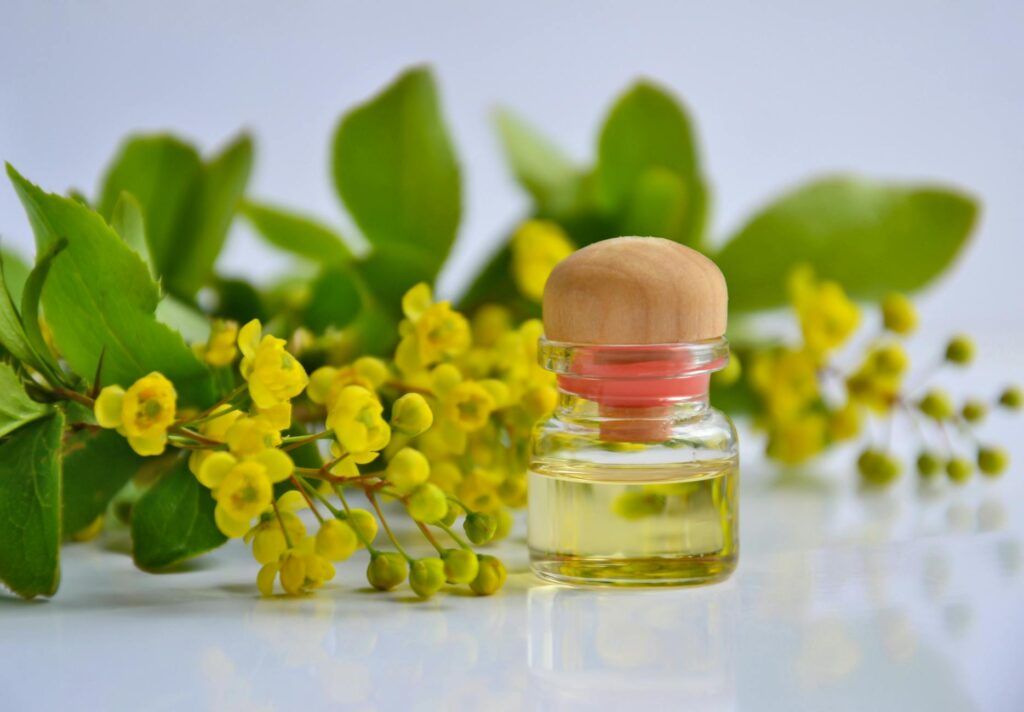
Complete Guide to Elderberry Oil Extract
Introduction
Elderberry, scientifically known as Sambucus nigra, has been celebrated for centuries for its various health benefits and medicinal properties. While elderberries themselves are widely recognized for their nutritional value, elderberry oil extract is gaining attention for its potential therapeutic uses in aromatherapy and skin care. This guide aims to provide a comprehensive overview of elderberry oil extract, detailing its properties, benefits, common applications, and safety considerations.
What Is Elderberry Oil Extract?
Elderberry oil extract is derived from the berries of the elderberry plant, which is native to Europe but is also found in various regions worldwide. The extraction process typically involves cold pressing the ripe berries or using solvent extraction methods to obtain the oil. This oil is rich in antioxidants, vitamins, and fatty acids, contributing to its appealing properties for both health and wellness.
Elderberries themselves are small, dark blue or black fruits that grow in clusters. They are often used in syrups, jams, and supplements, but the oil extract offers an alternative way to harness their benefits. The oil can be incorporated into various formulations, including lotions, creams, and aromatherapy blends.
Key Benefits and Properties
Elderberry oil extract is valued for its rich composition, which includes:
1. Antioxidants: Elderberries are high in flavonoids and anthocyanins, which help combat oxidative stress and free radicals in the body.
2. Vitamins: The oil contains essential vitamins such as vitamins A, C, and E, all known for their skin-nourishing properties.
3. Fatty Acids: The oil is composed of beneficial fatty acids, which can help maintain skin hydration and elasticity.
4. Anti-inflammatory Properties: Some studies suggest that elderberry oil may possess anti-inflammatory qualities, making it a potential ally in soothing irritated skin.
5. Antimicrobial Effects: Preliminary research indicates that elderberry may have antimicrobial properties, although more studies are needed to understand this fully.
These properties make elderberry oil extract a versatile ingredient in various applications, particularly in skin care and aromatherapy.
Common Uses
Elderberry oil extract can be used in a variety of ways:
1. Skincare Products: Due to its nourishing properties, elderberry oil is often incorporated into moisturizers, serums, and creams to improve skin texture and hydration.
2. Hair Care: The oil can be added to shampoos and conditioners to promote shine and manageability while potentially supporting scalp health.
3. Aromatherapy: Elderberry oil can be used in diffusers or blended with other essential oils to create calming and uplifting environments.
4. Massage Oil: When diluted with a carrier oil, elderberry oil can be used for massage, offering both relaxation and skin benefits.
5. Homemade Remedies: Elderberry oil extract can be combined with other natural ingredients to create DIY balms and salves.
Aromatherapy Applications
In the realm of aromatherapy, elderberry oil extract offers unique applications due to its pleasant aroma and potential mood-enhancing properties. Here are some ways to incorporate it into your practice:
1. Diffusion: Add a few drops of elderberry oil to a diffuser, either alone or blended with complementary essential oils like lavender or chamomile for a calming atmosphere.
2. Inhalation: Inhale the scent directly from the bottle or apply a diluted version to your wrists for a quick mood boost.
3. Bath Soak: Add elderberry oil to a warm bath for a relaxing experience, combining it with Epsom salts or other essential oils for enhanced benefits.
4. Personal Inhalers: Create personal inhalers with elderberry oil and other essential oils to carry with you for on-the-go aromatherapy.
5. Meditation and Yoga: Use elderberry oil during meditation or yoga sessions to promote relaxation and mindfulness.
Safety Considerations
While elderberry oil extract is generally considered safe for topical use and aromatherapy, there are some important safety considerations to keep in mind:
1. Patch Test: Always perform a patch test before using elderberry oil extract on the skin to check for any allergic reactions or sensitivities.
2. Dilution: When using elderberry oil extract in skin care or aromatherapy, it is crucial to dilute it with a carrier oil to prevent skin irritation.
3. Pregnancy and Nursing: Pregnant and nursing individuals should consult with a healthcare provider before using elderberry oil extract or any new essential oils.
4. Interactions: Individuals taking medications or with specific health concerns should consult a healthcare professional before incorporating elderberry oil into their routine.
5. Quality: Ensure that you source elderberry oil from reputable suppliers to guarantee its purity and effectiveness.
Storage and Shelf Life
Proper storage is essential to maintaining the quality of elderberry oil extract. Follow these guidelines:
1. Cool, Dark Place: Store the oil in a cool, dark area, away from direct sunlight and heat sources, which can degrade its quality.
2. Tight Seal: Ensure the bottle is tightly sealed after each use to prevent oxidation.
3. Expiration Date: Check for an expiration date or a “best by” date on the product label. Generally, elderberry oil extract has a shelf life of approximately 1 to 2 years when stored correctly.
4. Avoid Contamination: Use clean utensils when handling the oil to prevent contamination and preserve its integrity.
Frequently Asked Questions
1. Is elderberry oil extract safe for everyone?
Elderberry oil extract is generally safe for most individuals. However, it is advisable to consult a healthcare provider if you have specific health concerns, are pregnant, or are nursing.
2. Can elderberry oil extract be ingested?
Elderberry oil extract is primarily intended for topical application and aromatherapy. Ingesting essential oils can be harmful and should only be done under the guidance of a qualified healthcare professional.
3. How can I incorporate elderberry oil into my skincare routine?
Elderberry oil can be added to your regular moisturizer or used as a standalone serum. It can also be mixed with other oils or creams for customized skin care.
4. What other essential oils blend well with elderberry oil?
Elderberry oil pairs well with essential oils like lavender, chamomile, frankincense, and citrus oils, creating a harmonious aromatic profile.
5. Where can I purchase quality elderberry oil extract?
Look for elderberry oil from reputable health food stores, specialty essential oil retailers, or online vendors that provide detailed information about their sourcing and extraction methods.
Conclusion
Elderberry oil extract is a versatile and beneficial addition to the worlds of aromatherapy and skin care. With its rich composition of antioxidants, vitamins, and fatty acids, it offers numerous potential benefits for skin health and well-being. By understanding its properties, uses, and safety considerations, individuals can effectively incorporate this oil into their wellness routines. As with any natural product, it’s important to use elderberry oil extract mindfully and in accordance with best practices for safety and efficacy.