
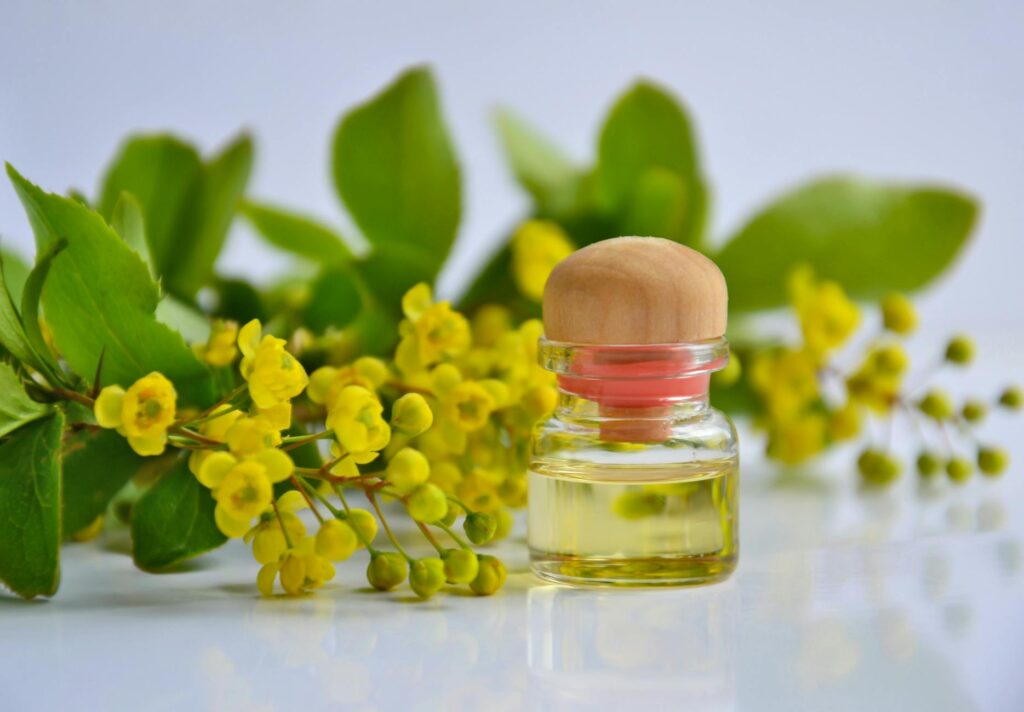
Complete Guide to Elderflower Syrup Extract
Introduction
Elderflower syrup extract is a delightful infusion derived from the flowers of the elder tree (Sambucus nigra), a plant celebrated for its rich history in traditional herbal practices and culinary uses. The syrup offers a unique flavor profile and a range of potential benefits, making it a popular ingredient in beverages, desserts, and wellness products. This guide explores elderflower syrup extract in detail, covering its properties, uses, and safety considerations.
What Is Elderflower Syrup Extract?
Elderflower syrup extract is typically made by infusing fresh elderflowers in a mixture of water and sugar, often with the addition of citrus zest or citric acid to enhance flavor and preservation. The flowers have a delicate, sweet fragrance and a subtle floral taste, which translates into the syrup, giving it a light, refreshing quality. The elder tree, native to Europe but found in various parts of the world, produces clusters of white or cream-colored flowers that bloom in late spring to early summer.
The extraction process involves steeping the flowers in the sugar-water solution, allowing the essential oils and flavors to infuse. Once strained, the syrup can be bottled and preserved, providing a sweet and aromatic addition to various culinary and therapeutic applications.
Key Benefits and Properties
Elderflower syrup extract is acclaimed not only for its taste but also for its potential benefits. While scientific research on elderflower is still emerging, the following properties are often associated with this extract:
1. Antioxidant Properties: Elderflowers contain flavonoids and phenolic compounds, which are known for their antioxidant effects. These compounds may help combat oxidative stress in the body.
2. Anti-inflammatory Effects: Some preliminary studies suggest that elderflowers may possess anti-inflammatory properties, making them a popular choice in traditional remedies.
3. Hydration Aid: The syrup can be a refreshing way to encourage hydration, especially when mixed with water or sparkling beverages.
4. Flavor Enhancement: Beyond health benefits, elderflower syrup enhances the flavor of various dishes and drinks, adding a floral note that is both unique and appealing.
Common Uses
Elderflower syrup extract is versatile and can be used in numerous culinary applications:
1. Beverages: One of the most popular uses for elderflower syrup is in drinks. It can be mixed with sparkling water, lemon juice, or used as a sweetener in cocktails. The syrup is often featured in summer beverages and refreshing cocktails like the classic elderflower gin and tonic.
2. Desserts: The syrup can be drizzled over desserts such as ice cream, panna cotta, or fruit salads, adding a floral touch that complements other sweet flavors.
3. Salad Dressings: A splash of elderflower syrup can elevate homemade salad dressings, providing a sweet and tangy component that pairs well with vinaigrettes.
4. Baking: Incorporating elderflower syrup into baked goods, such as cakes or muffins, can impart a subtle sweetness and unique flavor that distinguishes them from traditional recipes.
5. Preservatives: The syrup can also be used as a natural preservative in jams and jellies, enhancing both flavor and shelf life.
Aromatherapy Applications
In the realm of aromatherapy, elderflower syrup extract may be less commonly used than essential oils, but its fragrant properties can still be appreciated. The aroma of elderflowers is often described as sweet and floral, making it suitable for various aromatic applications:
1. Diffusion: Adding elderflower syrup to a diffuser can create a pleasant atmosphere, especially in spaces intended for relaxation or social gatherings.
2. Bath Products: The extract can be included in homemade bath salts or oils, providing a soothing and aromatic experience during baths.
3. Scented Candles: Incorporating elderflower into candle-making can result in delightful floral-scented candles that evoke a sense of tranquility.
4. Potpourri: Dried elderflowers can be added to potpourri mixes, enhancing the fragrance of environments and providing a natural, floral aroma.
While elderflower syrup is not a substitute for essential oils, its aromatic qualities can still contribute to a calming and pleasant atmosphere.
Safety Considerations
When using elderflower syrup extract, it is important to consider the following safety aspects:
1. Allergies: Individuals with allergies to plants in the Adoxaceae family or related species should exercise caution when trying elderflower syrup.
2. Consulting Professionals: Those with existing health conditions or who are pregnant or nursing should consult with a healthcare professional before incorporating elderflower syrup into their diets or wellness routines.
3. Quality of Ingredients: It is advisable to source elderflower syrup from reputable suppliers or to make it from fresh, organic elderflowers to ensure purity and quality.
4. Dilution: When using elderflower syrup in drinks or culinary applications, it is often best to dilute it as the syrup can be quite sweet.
5. Preservation: Proper storage of elderflower syrup is crucial for maintaining its quality and safety.
Storage and Shelf Life
To maintain the quality of elderflower syrup extract, proper storage is essential. Here are some guidelines:
1. Cool, Dark Location: Store the syrup in a cool, dark place, such as a pantry or cupboard, to prevent exposure to light and heat, which can degrade its flavor and aroma.
2. Refrigeration: Once opened, elderflower syrup is best kept in the refrigerator to prolong its shelf life. It is advisable to consume the syrup within a few months of opening for optimal taste and quality.
3. Sealed Containers: Ensure that the syrup is stored in a tightly sealed container to prevent contamination and moisture ingress, which can lead to spoilage.
4. Check for Signs of Spoilage: Before using elderflower syrup, check for any signs of mold, off-smells, or changes in color, which may indicate spoilage. When in doubt, it is best to discard the syrup.
Frequently Asked Questions
1. How can I make elderflower syrup at home?
To make elderflower syrup, gather fresh elderflowers, water, sugar, and optional ingredients like lemon slices or citric acid. Combine water and sugar in a pot, heat until dissolved, then add elderflowers and optional ingredients. Let it steep for 24 hours, strain, and bottle.
2. Where can I buy elderflower syrup extract?
Elderflower syrup is widely available in health food stores, specialty shops, and online retailers. Ensure you choose a product that lists natural ingredients and is free from artificial additives.
3. Can elderflower syrup be used in savory dishes?
Yes, elderflower syrup can be used to balance savory flavors in dishes like glazes for meats or as a sweetener in marinades, enhancing the overall taste profile.
4. Is elderflower syrup suitable for children?
Elderflower syrup is generally considered safe for children, but it is advisable to consult with a healthcare professional for specific recommendations, especially for young children or those with allergies.
5. Can I use dried elderflowers to make syrup?
While fresh elderflowers are preferred for their flavor and aroma, dried elderflowers can also be used to make syrup. The process is similar, but the infusion time may need to be adjusted.
In conclusion, elderflower syrup extract is a versatile and flavorful addition to culinary and aromatic practices. Its unique properties and delightful taste make it suitable for a wide array of applications, from beverages to desserts. With proper care and consideration, elderflower syrup can enhance both your kitchen creations and your aromatherapy experiences.