
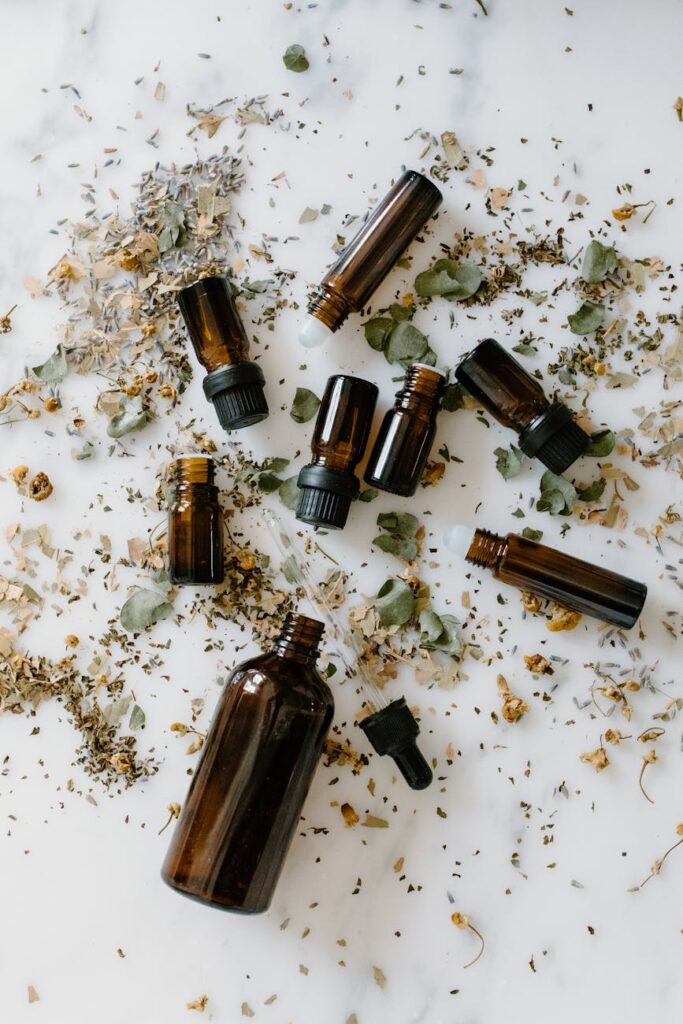
Complete Guide to Essential Oil Blends for Anxiety and Stress Management
Introduction
In our fast-paced world, stress and anxiety have become common experiences for many individuals. As people seek natural remedies to enhance their well-being, essential oils have gained increasing popularity. This guide aims to provide a comprehensive overview of essential oil blends specifically tailored for anxiety and stress management, offering insights into their properties, uses, and applications.
What Are Essential Oil Blends for Anxiety and Stress Management?
Essential oil blends for anxiety and stress management are combinations of various essential oils designed to create a calming and soothing effect on the mind and body. Each essential oil possesses unique properties, and when combined, they can enhance relaxation, reduce tension, and promote overall emotional balance. Popular oils include lavender, chamomile, bergamot, and frankincense, among others, each contributing its distinct aroma and therapeutic benefits.
Key Benefits and Properties
Essential oils are extracted from plants and possess numerous benefits. When blended for anxiety and stress relief, they can offer the following properties:
1. Relaxation: Many essential oils have sedative effects that help calm the nervous system, promoting relaxation and reducing feelings of anxiety.
2. Mood Enhancement: Certain oils, such as bergamot and sweet orange, can uplift mood and create a sense of happiness, counteracting feelings of stress.
3. Sleep Aid: Blends containing lavender or chamomile can improve sleep quality, which is often disrupted by anxiety.
4. Mindfulness: The aromatic qualities of essential oils can aid in mindfulness practices, grounding individuals in the present moment and promoting emotional clarity.
5. Support for Meditation: Diffusing essential oils during meditation can enhance the experience, making it easier to focus and deepen relaxation.
Common Uses
Essential oil blends for anxiety and stress management can be used in various ways, depending on individual preferences and circumstances. Here are some common applications:
- Diffusion: Using a diffuser to disperse essential oil blends into the air can create a calming atmosphere, making it ideal for home or office environments.
- Topical Application: Diluting essential oils with a carrier oil and applying them to pulse points (such as wrists or behind the ears) can provide localized relief and enhance the calming effects.
- Bathing Rituals: Adding essential oil blends to bathwater can create a serene spa-like experience, helping to ease tension and promote relaxation.
- Inhalation: Direct inhalation from the bottle or using an inhaler can provide immediate relief during stressful situations.
- Massage: Incorporating essential oil blends into a massage can help release muscle tension and promote relaxation both physically and emotionally.
- Lavender and Bergamot: Known for their calming properties, this blend can help reduce anxiety and promote restful sleep.
- Frankincense and Cedarwood: This earthy combination can ground the senses, reducing feelings of overwhelm.
- Chamomile and Sweet Orange: This combination can help soothe anxiety while uplifting the mood during a massage.
- Lavender, Ylang-Ylang, and Eucalyptus: This trio can create a serene bathing experience, promoting relaxation and stress relief.
- Peppermint, Rosemary, and Lemon: This invigorating blend can help refresh the mind, especially during stressful moments.
- Dilution: Essential oils are highly concentrated and should be diluted with a carrier oil for topical application to prevent skin irritation.
- Patch Testing: Before applying a new essential oil blend to the skin, conduct a patch test to check for any allergic reactions.
- Consultation: If you are pregnant, nursing, or have underlying health conditions, it is advisable to consult with a qualified professional before using essential oils.
- Avoid Ingestion: Essential oils should not be ingested unless under the guidance of a qualified healthcare provider.
- Dark Glass Containers: Essential oils should be stored in dark glass bottles to protect them from light, which can degrade their quality.
- Cool, Dry Place: Keep essential oils in a cool, dry area away from direct sunlight and heat sources.
- Shelf Life: The shelf life of essential oils varies by type. Citrus oils generally have a shorter shelf life (1-2 years), while oils like sandalwood or patchouli can last for several years if stored properly.
Aromatherapy Applications
Aromatherapy is the practice of using essential oils to enhance physical, emotional, and spiritual well-being. When it comes to anxiety and stress management, the following applications can be particularly beneficial:
1. Calming Diffusers
Using a diffuser to disperse essential oil blends into the environment can create a tranquil ambiance. Recommended blends for diffusion include:
2. Soothing Massage Oils
Massage can be an effective way to relieve physical tension. Create a calming massage oil by blending essential oils with a carrier oil, such as sweet almond or coconut oil. A suggested blend would be:
3. Relaxing Bath Soaks
To enhance relaxation, consider adding essential oil blends to bathwater. A calming bath blend might include:
4. Stress Relief Inhalers
Portable inhalers filled with essential oil blends can be useful tools for on-the-go stress relief. A simple blend for inhalation could include:
Safety Considerations
While essential oils can offer numerous benefits, it is essential to use them safely. Here are some key safety considerations:
Storage and Shelf Life
Proper storage is crucial for maintaining the quality of essential oils. Here are some tips for storage:
Frequently Asked Questions
1. Can essential oil blends replace professional treatment for anxiety?
Essential oil blends can complement traditional treatments for anxiety but should not replace professional medical advice or therapy. It is essential to consult a healthcare provider for persistent anxiety or stress-related issues.
2. How do I choose the right essential oil blend for my needs?
Choosing the right essential oil blend depends on personal preferences and specific symptoms. Consider experimenting with different oils to discover which ones resonate with you. Aromatic preferences can vary widely from person to person.
3. Are there any essential oils that should be avoided during pregnancy?
Certain essential oils, such as clary sage, rosemary, and basil, should be avoided during pregnancy. It is advisable to consult a healthcare provider for recommendations on safe essential oils to use during this period.
4. Can children use essential oil blends for anxiety?
While some essential oils can be safe for children, they should be used cautiously and always diluted. It is advisable to consult with a healthcare professional for age-appropriate recommendations and safety guidelines.
5. How long does the calming effect of essential oils last?
The duration of the calming effect can vary based on the method of application and individual sensitivity. Inhalation may offer immediate but short-lived effects, while topical applications may provide longer-lasting benefits.
Conclusion
Essential oil blends offer a natural and holistic approach to managing anxiety and stress. By understanding the various benefits, applications, and safety considerations, individuals can incorporate these aromatic products into their self-care routines. As with any wellness practice, it is essential to listen to one’s body and preferences, allowing for a personalized experience that promotes relaxation and emotional well-being.