
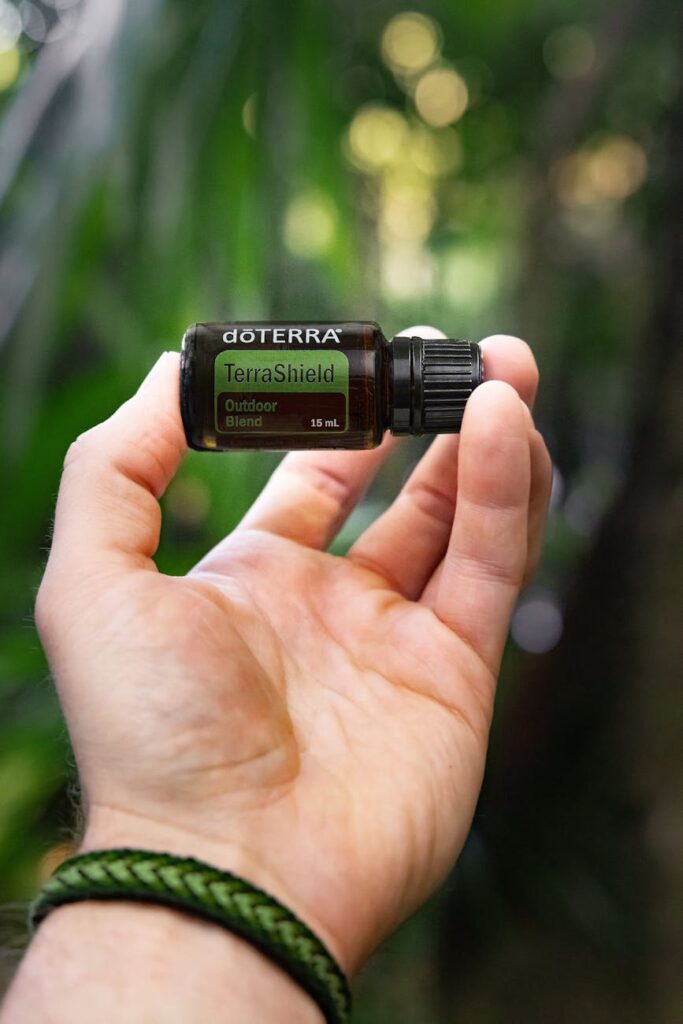
Complete Guide to Essential Oil Blends for Immune Defense
Introduction
Essential oils have been used for centuries in various cultures for their aromatic and therapeutic properties. Among their many applications, blends specifically designed for immune defense have gained popularity as individuals seek holistic approaches to bolster their health. This guide will explore the world of essential oil blends for immune defense, offering insights into their properties, common uses, applications in aromatherapy, and essential safety considerations.
What Are Essential Oil Blends for Immune Defense?
Essential oil blends for immune defense refer to combinations of various essential oils that are believed to support and enhance the body’s immune system. These blends typically contain oils known for their antiseptic, antibacterial, antiviral, and anti-inflammatory properties. The synergistic effect of combining multiple oils can enhance their overall effectiveness, providing a comprehensive approach to maintaining immune health.
Key Benefits and Properties
The benefits of essential oil blends for immune defense can be attributed to the individual properties of each oil used. Some key oils commonly included in these blends and their associated benefits are:
1. Tea Tree Oil (Melaleuca alternifolia): Known for its antiseptic and antifungal properties, tea tree oil can help fight infections and support overall health.
2. Eucalyptus Oil (Eucalyptus globulus): Often used for respiratory health, eucalyptus oil possesses antiviral and decongestant properties, making it useful during cold seasons.
3. Lemon Oil (Citrus limon): Rich in antioxidants, lemon oil can help detoxify the body and boost energy levels, contributing to overall wellness.
4. Lavender Oil (Lavandula angustifolia): Known for its calming properties, lavender oil can help reduce stress and promote better sleep, both of which are essential for a robust immune system.
5. Oregano Oil (Origanum vulgare): Oregano oil has strong antimicrobial properties and is often used for its ability to combat bacteria and viruses.
6. Thyme Oil (Thymus vulgaris): With its potent antiseptic qualities, thyme oil is effective against a range of pathogens, supporting the body’s natural defenses.
7. Peppermint Oil (Mentha piperita): This refreshing oil can help clear airways and improve respiratory function, which is beneficial during illness.
These oils, when blended appropriately, can create a powerful synergy that enhances their individual benefits, offering a holistic approach to immune support.
Common Uses
Essential oil blends for immune defense can be utilized in various ways, depending on personal preferences and the specific context in which they are used. Some common applications include:
- Diffusion: Adding a few drops of the blend to a diffuser can help purify the air, creating an aromatic environment that promotes respiratory health and overall well-being.
- Topical Application: Diluting the blend with a carrier oil and applying it to pulse points or areas of concern can provide localized support.
- Inhalation: Direct inhalation of essential oils from the bottle or a cotton ball can help clear the airways and provide immediate relief.
- Baths: Incorporating essential oil blends into bathwater can offer relaxation while simultaneously benefiting the immune system through skin absorption.
- Cleaning Products: Adding essential oil blends to homemade cleaning solutions can enhance their antimicrobial properties, contributing to a healthier living environment.
- Dilution: Essential oils should be diluted with a carrier oil before topical application to prevent skin irritation. A common dilution ratio is 2-3 drops of essential oil per teaspoon of carrier oil.
- Allergies: Individuals with allergies or sensitive skin should perform a patch test before using a new essential oil or blend to ensure no adverse reactions occur.
- Pregnancy and Children: Pregnant individuals and young children should consult with a qualified professional before using essential oils, as some oils may not be safe for these populations.
- Quality: The quality of essential oils can vary significantly. It is advisable to choose high-quality, pure essential oils from reputable sources to ensure efficacy and safety.
- Consultation: Always consult with a knowledgeable practitioner or aromatherapist for personalized guidance on using essential oils, especially if there are pre-existing health conditions.
- Dark Glass Containers: Essential oils should be stored in dark glass bottles to protect them from light, which can degrade their quality over time.
- Cool, Dry Place: Store essential oils in a cool, dry area away from direct sunlight and heat sources to prevent oxidation.
- Tightly Sealed: Ensure that bottles are tightly sealed when not in use to minimize exposure to air, which can alter the oil’s properties.
- Shelf Life: While essential oils do not have a set expiration date, their shelf life can vary. Citrus oils typically last 1-2 years, while more stable oils like patchouli or sandalwood can last up to 5 years or longer when stored properly.
Aromatherapy Applications
Aromatherapy is a holistic healing practice that utilizes essential oils to promote physical and emotional well-being. When it comes to immune defense, several aromatherapy techniques can be employed:
1. Diffusion: Using an essential oil diffuser disperses small particles of the oil into the air, allowing for inhalation. This method is particularly effective for creating an uplifting atmosphere and purifying indoor air.
2. Inhalation: Inhaling essential oils directly from the bottle or using a personal inhaler allows for quick access to their benefits. This method is especially useful during cold and flu seasons.
3. Massage: Combining essential oil blends with carrier oils for massage can enhance circulation, promote relaxation, and provide localized support. This method is often used to alleviate stress and tension, which can otherwise compromise immune function.
4. Bathing: Adding essential oils to bathwater can create a soothing experience that promotes relaxation and recovery. The warm water helps to open pores, allowing for better absorption of the oils.
5. Steam Inhalation: Adding a few drops of essential oil blend into a bowl of hot water and inhaling the steam can provide relief from respiratory discomfort and support overall immune function.
Safety Considerations
While essential oils are generally considered safe when used correctly, there are several safety considerations to keep in mind:
Storage and Shelf Life
Proper storage of essential oils is crucial to maintaining their potency and effectiveness. Here are some tips:
Frequently Asked Questions
1. Can essential oil blends replace vaccines or medical treatments?
Essential oils and their blends should not be considered a substitute for vaccines or medical treatments. They can complement a healthy lifestyle but are not a replacement for professional medical care.
2. How often should I use essential oil blends for immune defense?
The frequency of use depends on individual preferences and the specific blend. Some may choose to use them daily, while others may use them as needed, especially during cold and flu seasons.
3. Can I create my own immune defense blend?
Yes, many individuals enjoy experimenting with their own blends. It is essential to research the properties of each oil and consider personal preferences when creating a blend.
4. Are there specific essential oils to avoid during pregnancy?
Certain essential oils, such as clary sage, rosemary, and wintergreen, should be avoided during pregnancy. Always consult a qualified professional for guidance specific to your situation.
5. How can I incorporate essential oils into my cleaning routine?
Essential oils can be added to homemade cleaning solutions or used in a diffuser to purify the air. Oils like tea tree, lemon, and eucalyptus are particularly effective for their antibacterial properties.
Conclusion
Essential oil blends for immune defense offer a natural and holistic approach to supporting the body’s defenses. By understanding the properties and applications of these oils, individuals can create effective blends to enhance their overall well-being. However, it is essential to approach their use with care, adhering to safety guidelines and seeking professional advice when necessary. As with any holistic practice, integrating essential oils into your routine should complement a balanced lifestyle and well-rounded health practices.