
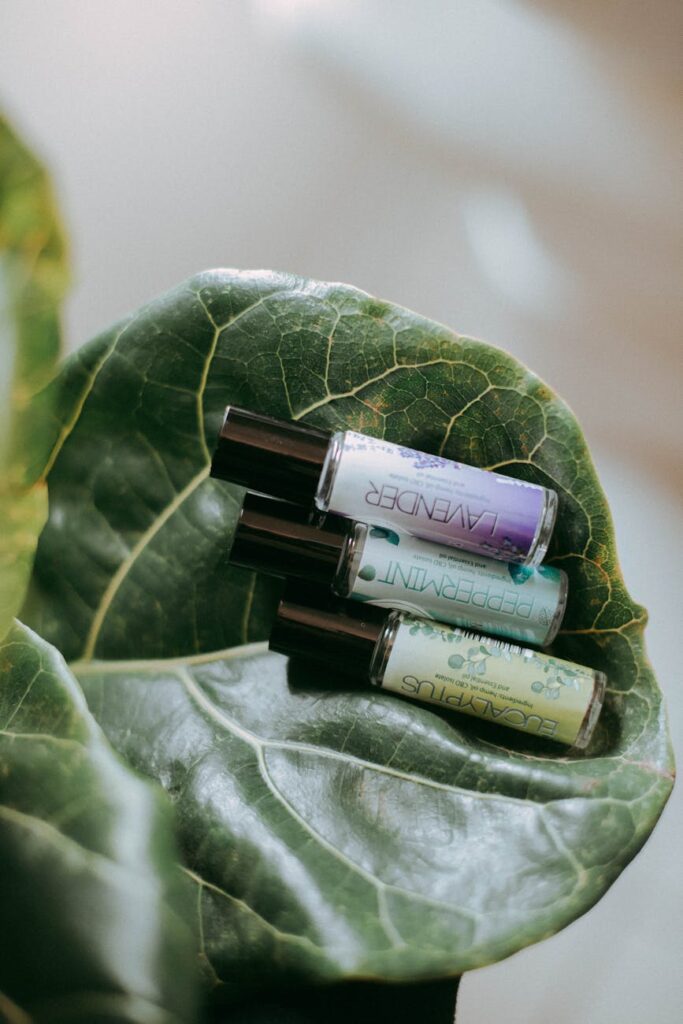
Complete Guide to Essential Oil Blends for Improved Sleep Quality
Introduction
In an increasingly fast-paced world, sleep quality is often compromised, leading to a myriad of physical and mental health challenges. Essential oils, derived from various plants, have gained popularity as a natural way to enhance relaxation and create a tranquil sleep environment. This guide will explore essential oil blends specifically designed to improve sleep quality, detailing their benefits, common uses, and safety considerations.
What Are Essential Oil Blends for Improved Sleep Quality?
Essential oil blends for improved sleep quality are combinations of various plant-derived oils specifically curated to promote relaxation, reduce stress, and facilitate restful sleep. These blends typically harness the unique properties of individual essential oils, such as lavender, chamomile, and cedarwood, to create a synergistic effect that enhances overall efficacy.
The art of blending involves understanding the properties of each oil, including its aroma, therapeutic benefits, and the emotional responses it can evoke. When combined thoughtfully, these oils can create a soothing atmosphere conducive to sleep.
Key Benefits and Properties
Essential oil blends for sleep can offer several benefits, including:
1. Promoting Relaxation
Many essential oils, such as lavender and bergamot, are known for their calming properties. They can help lower cortisol levels, the hormone associated with stress, thus promoting a sense of peace and relaxation.
2. Reducing Anxiety
Blends containing oils like frankincense and ylang-ylang can help alleviate feelings of anxiety and tension, making it easier to unwind before bedtime.
3. Enhancing Sleep Quality
Certain oils, such as vetiver and cedarwood, are believed to enhance sleep quality by promoting deeper sleep cycles and reducing nighttime awakenings.
4. Creating a Sleep-Inducing Atmosphere
The aromatic properties of essential oils can transform a space, making it more inviting for sleep. The right blend can create a serene environment that encourages restfulness.
Common Uses
Essential oil blends for sleep can be utilized in various ways:
1. Diffusion
Using a diffuser is a popular method for dispersing essential oils into the air. Simply add a few drops of your chosen blend to a diffuser filled with water, and let the aroma fill your space.
2. Topical Application
Diluting essential oils in a carrier oil (such as sweet almond or coconut oil) allows for safe topical application. Rubbing the mixture on pulse points, such as wrists and temples, can enhance relaxation.
3. Bath Soaks
Adding essential oil blends to bathwater can create a calming experience. Mix a few drops of the blend with Epsom salts or a carrier oil before adding it to your bath to reap the full benefits.
4. Pillow Sprays
Creating a pillow spray using essential oils mixed with water can help create a soothing scent that lingers throughout the night, promoting a restful sleep.
Aromatherapy Applications
Aromatherapy is the practice of using essential oils for therapeutic benefits. When it comes to sleep, here are some common applications:
1. Evening Relaxation Ritual
Incorporating essential oil blends into a nightly routine can signal to the body that it’s time to wind down. This can include diffusing oils while reading or meditating.
2. Pre-Sleep Massage
A gentle massage using diluted essential oils can stimulate relaxation and ease tension in the body, preparing it for sleep.
3. Meditation and Mindfulness
Combining essential oils with meditation can enhance the experience, allowing individuals to more fully immerse themselves in a state of relaxation.
4. Sleep Environment Enhancement
Using essential oil blends in various forms, such as candles or incense, can enhance the ambiance of the sleep environment, making it more conducive to rest.
Safety Considerations
While essential oils can provide numerous benefits, it is essential to use them safely:
1. Dilution
Essential oils should never be applied directly to the skin without dilution. A common recommendation is to mix essential oils with a carrier oil at a ratio of 2-3 drops of essential oil per teaspoon of carrier oil.
2. Allergies and Sensitivities
Individuals should conduct a patch test to check for any allergic reactions before using a new essential oil. It is advisable to consult with a knowledgeable professional if you have known sensitivities.
3. Pregnancy and Nursing
Certain essential oils are not recommended during pregnancy or while nursing. It is advisable to consult with a healthcare provider for specific guidance.
4. Children and Pets
Some essential oils can be harmful to children and pets. Always ensure that any oils used in the home environment are safe for all inhabitants.
Storage and Shelf Life
Proper storage and handling of essential oils are crucial for maintaining their efficacy:
1. Dark Glass Containers
Essential oils should be stored in dark glass containers to protect them from light, which can degrade their quality.
2. Cool, Dry Environment
Keeping essential oils in a cool, dry place away from direct sunlight will extend their shelf life. Heat and humidity can alter their chemical composition.
3. Shelf Life
Most essential oils have a shelf life of 1-3 years, depending on the type. Citrus oils may have a shorter shelf life, while oils like patchouli and sandalwood can improve with age.
Frequently Asked Questions
1. How do I choose the right essential oil blend for sleep?
Consider your personal preferences and any particular issues you may want to address, such as anxiety or restlessness. Blends containing lavender and chamomile are often recommended for their calming properties.
2. Can I mix my own essential oil blends?
Yes, many individuals enjoy creating their own blends. Research the properties of different oils and experiment with ratios until you find a combination that works for you.
3. How long does it take for essential oils to work?
The effects of essential oils can vary from person to person. Some may notice immediate relaxation, while others may require consistent use over time to experience full benefits.
4. Are there any essential oils I should avoid for sleep?
Certain oils, such as peppermint and rosemary, are stimulating and may not be conducive to sleep. It’s best to focus on calming oils for nighttime use.
5. Can I use essential oils with other sleep aids?
While many people find that essential oils complement other sleep aids, it’s wise to consult a healthcare professional to ensure compatibility.
Conclusion
Essential oil blends can serve as a valuable tool for enhancing sleep quality and creating a calming atmosphere conducive to rest. By understanding the properties and applications of these oils, individuals can harness their benefits to promote relaxation and improve overall well-being. However, it is essential to exercise caution, ensuring safe practices in their use. With the right knowledge and approach, essential oils can be a delightful addition to any sleep routine.