
Complete Guide to Essential Oil Blends for Mood Enhancement and Stress Relief
Introduction
In an increasingly fast-paced world, many individuals seek natural methods to enhance their mood and alleviate stress. Essential oil blends have gained popularity as effective tools in the realm of aromatherapy. These concentrated extracts from plants are known for their aromatic properties and therapeutic benefits. This guide aims to provide a comprehensive understanding of essential oil blends specifically formulated for mood enhancement and stress relief, outlining their benefits, common uses, and safety considerations.
What Is Essential Oil Blends for Mood Enhancement and Stress Relief?
Essential oil blends are mixtures of various essential oils, each chosen for their unique aromatic profiles and therapeutic properties. When combined, these oils can synergistically enhance the overall effect, amplifying the benefits for mood enhancement and stress relief. A well-crafted blend considers the aromatic notes (top, middle, and base) and the specific properties of each oil, creating a complex yet harmonious scent profile.
Common essential oils used in these blends include:
- Lavender: Renowned for its calming properties.
- Bergamot: Citrus oil known for its uplifting effects.
- Frankincense: Often associated with grounding and spiritual connection.
- Ylang Ylang: Valued for its ability to alleviate anxiety and promote relaxation.
- Diffusion: One of the most common methods, using an essential oil diffuser allows the aromatic compounds to disperse into the air, creating a pleasant and calming environment.
- Topical Application: Blends can be diluted with a carrier oil (e.g., jojoba, coconut, or almond oil) and applied to pulse points, such as wrists and temples, for direct inhalation and skin absorption.
- Bath Additive: Adding a few drops of an essential oil blend to bathwater can create a soothing experience, enhancing relaxation.
- Inhalation: Inhaling essential oils directly from the bottle or from a cotton ball can provide immediate uplifting effects.
- Massage: Blending essential oils with a carrier oil for massage not only offers physical relaxation but also elevates the mood through the inhalation of the aromatic compounds.
- Ingredients: Lavender, chamomile, and bergamot.
- Uses: Ideal for reducing anxiety and promoting relaxation. Use in a diffuser or during a warm bath.
- Ingredients: Sweet orange, lemon, and peppermint.
- Uses: Great for boosting mood and energy. Diffuse during the day or apply to pulse points.
- Ingredients: Frankincense, cedarwood, and patchouli.
- Uses: Helps create a sense of stability and grounding. Use during meditation or yoga practices.
- Ingredients: Lavender, clary sage, and vetiver.
- Uses: Perfect for promoting deeper sleep. Diffuse in the bedroom or add to a nighttime bath.
- Ingredients: Rosemary, peppermint, and basil.
- Uses: Supports focus and mental clarity. Inhale directly or use in a study environment.
- Dilution: Always dilute essential oils with a carrier oil before applying to the skin to prevent irritation.
- Patch Test: Conduct a patch test to check for any allergic reactions prior to widespread use.
- Consultation: If you are pregnant, nursing, or have a medical condition, consult a healthcare professional before using essential oils.
- Avoid Eyes and Mucous Membranes: Essential oils should be kept away from the eyes and sensitive areas.
- Storage: Keep oils out of reach of children and pets.
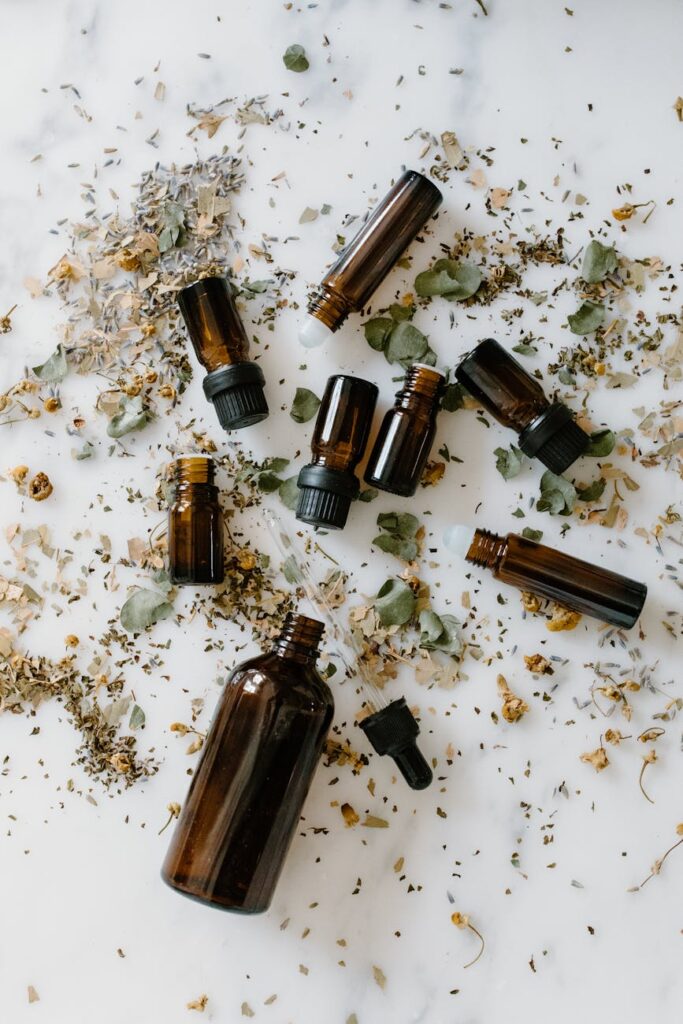
- Container: Store essential oils in dark glass bottles (amber or cobalt) to protect them from light degradation.
- Temperature: Keep them in a cool, dry place, away from direct sunlight and heat sources.
- Shelf Life: While essential oils can last for several years, their shelf life varies by oil. Citrus oils typically have a shorter shelf life (1-2 years), whereas oils like sandalwood and patchouli can last much longer (up to 10 years or more).
Key Benefits and Properties
Essential oil blends for mood enhancement and stress relief offer a range of benefits, including:
1. Emotional Balance: Certain oils can help stabilize mood swings and promote emotional well-being. For instance, oils like chamomile and geranium help soothe feelings of agitation.
2. Anxiety Reduction: Oils such as lavender and bergamot have been associated with reducing feelings of anxiety and promoting a sense of calm.
3. Stress Relief: Blends can help lower cortisol levels, the body’s primary stress hormone, improving overall stress resilience.
4. Enhanced Sleep Quality: Some blends may promote a more restful sleep, which is essential for mental health. Oils like sweet marjoram and sandalwood are particularly noted for their sedative properties.
5. Increased Focus and Clarity: Oils like rosemary and peppermint can invigorate the mind, aiding concentration and mental clarity, which may be beneficial during stressful periods.
Common Uses
Essential oil blends can be utilized in various ways. Here are some common applications:
Aromatherapy Applications
The application of essential oil blends can be tailored to individual needs and preferences. Here are some specific blends to consider for mood enhancement and stress relief:
Calming Blend
Uplifting Blend
Grounding Blend
Sleep-Inducing Blend
Clarity Blend
Safety Considerations
While essential oils are generally safe when used appropriately, certain precautions should be taken:
Storage and Shelf Life
Proper storage of essential oils is crucial for maintaining their potency and safety. Here are some guidelines:
Frequently Asked Questions
1. How do I choose the right essential oil blend for my needs?
Consider what emotional or physical state you wish to address. Research specific oils and their properties, and choose those that resonate with your needs.
2. Can I create my own essential oil blend?
Yes! Experiment with different oils to find combinations that appeal to you. Start with small quantities and keep notes on what works best.
3. Are there any oils I should avoid?
Certain oils may be irritating to sensitive individuals, including cinnamon and clove. It’s best to research specific oils and consult safety guidelines.
4. How often can I use essential oil blends?
Frequency can vary based on individual preferences and sensitivity. Generally, using blends several times a day is acceptable, particularly for diffusion or inhalation.
5. Can essential oils replace other forms of therapy?
Essential oils can complement various therapies but should not replace medical treatment or mental health counseling. Always consult with a qualified professional for serious concerns.
Conclusion
Essential oil blends offer a natural and effective way to enhance mood and relieve stress. By understanding their properties, applications, and safety considerations, individuals can incorporate these aromatic tools into their daily routines. Whether through diffusion, topical application, or simple inhalation, the right blend can provide comfort and emotional balance. As always, personal exploration and mindfulness are key to finding the most beneficial essential oils for your unique needs.