
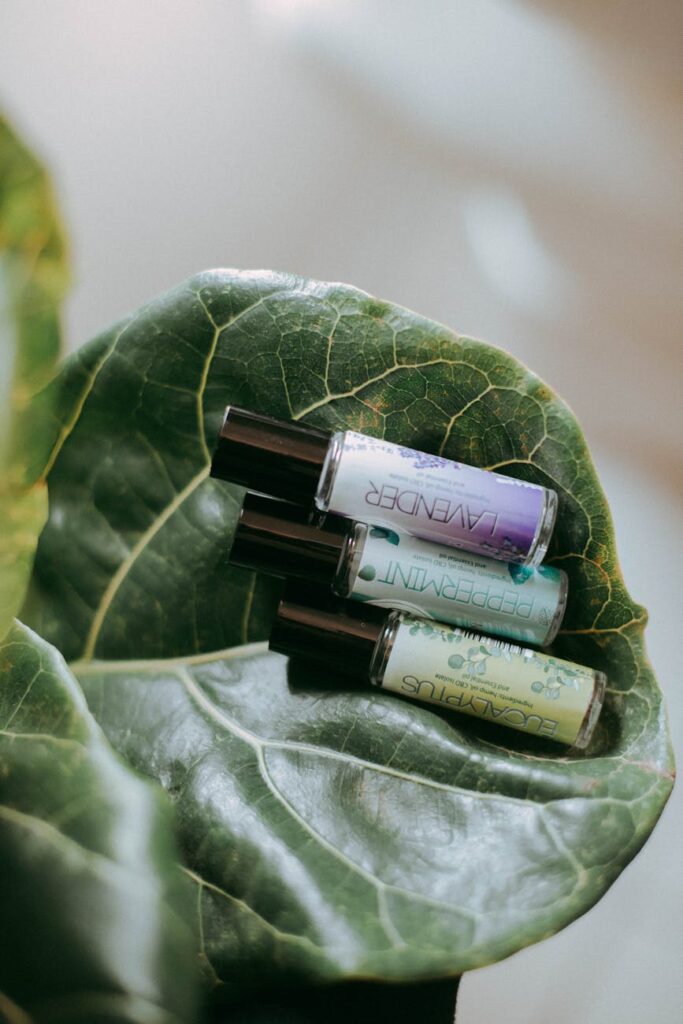
Complete Guide to Essential Oil Blends for Pain Relief
Introduction
In recent years, essential oils have gained significant popularity as natural remedies for various ailments, including pain relief. Derived from the leaves, flowers, stems, and roots of plants, essential oils are concentrated extracts that capture the plant’s natural fragrance and therapeutic properties. This guide will explore the world of essential oil blends specifically formulated for pain relief, detailing their benefits, common uses, and safety considerations.
What Is Essential Oil Blends for Pain Relief?
Essential oil blends for pain relief consist of combinations of various essential oils chosen for their analgesic (pain-relieving) and anti-inflammatory properties. These blends can be tailored to address specific types of pain, such as headaches, muscle soreness, joint pain, and menstrual discomfort.
Blending essential oils allows for synergistic effects, where the combined properties of the oils enhance their overall effectiveness. For example, a blend might include oils known for their anti-inflammatory benefits, alongside those that provide soothing scents to promote relaxation.
Key Benefits and Properties
Essential oils possess a wide range of therapeutic properties, making them valuable in pain management. Here are some key benefits associated with essential oil blends for pain relief:
1. Analgesic Properties: Many essential oils can help alleviate pain. Oils like peppermint, eucalyptus, and lavender contain compounds that may reduce the perception of pain.
2. Anti-inflammatory Effects: Essential oils such as ginger and turmeric possess natural anti-inflammatory properties, helping to reduce swelling and inflammation associated with pain.
3. Muscle Relaxation: Oils like chamomile and marjoram can promote muscle relaxation, making them beneficial for tension-related pain.
4. Mood Enhancement: The aromatic qualities of essential oils can help boost mood and reduce stress, which can be particularly helpful for individuals experiencing chronic pain.
5. Improved Circulation: Some essential oils, such as rosemary, can enhance blood flow, which may aid in pain relief.
Common Uses
Essential oil blends for pain relief can be utilized in various ways, depending on individual preferences and the type of pain being addressed. Here are some common applications:
1. Topical Application: Diluting essential oils with a carrier oil (such as coconut or jojoba oil) and applying them directly to the affected area is one of the most effective methods for localized pain relief.
2. Aromatherapy Diffusion: Using a diffuser to disperse essential oils into the air can provide relief from pain while creating a calming environment.
3. Bath Soaks: Adding essential oil blends to bathwater can create a soothing experience that relaxes both the body and mind.
4. Inhalation: Simply inhaling the scent of essential oils can provide immediate relief from pain, particularly when dealing with headaches or migraines.
5. Compresses: Soaking a cloth in a diluted essential oil blend can create a warm or cold compress that can be applied to sore muscles or joints.
Aromatherapy Applications
The application of essential oil blends in aromatherapy for pain relief varies depending on the type of pain and the oils used. Here are some specific blends and their potential uses:
1. Headache Relief Blend: A combination of peppermint, lavender, and eucalyptus oils can help alleviate tension headaches. The cooling effect of peppermint, combined with the calming properties of lavender, creates a soothing experience.
2. Muscle Pain Relief Blend: Blending ginger, marjoram, and rosemary oils can be beneficial for sore muscles after exercise or physical labor. These oils are known for their ability to relax muscles and improve circulation.
3. Joint Pain Blend: A mixture of turmeric, black pepper, and frankincense oils may help reduce discomfort associated with joint pain. These oils possess anti-inflammatory properties that can target swelling and pain.
4. Menstrual Pain Relief Blend: A blend of clary sage, chamomile, and geranium oils may provide relief from menstrual cramps. These oils are known for their soothing and relaxing effects.
5. Stress-Related Pain Blend: Combining bergamot, ylang-ylang, and lavender can help relieve pain caused by stress and tension. The uplifting properties of bergamot, paired with the calming effects of lavender, can promote relaxation.
Safety Considerations
While essential oils are generally considered safe when used appropriately, there are several safety considerations to keep in mind:
1. Dilution: Essential oils are concentrated and should be diluted with a carrier oil before topical application. A typical dilution ratio is 2-3 drops of essential oil per teaspoon of carrier oil.
2. Skin Sensitivity: Some individuals may experience skin irritation or allergic reactions to certain essential oils. It is advisable to perform a patch test by applying a small amount of diluted oil to a discreet area of skin before full use.
3. Pregnancy and Nursing: Certain essential oils should be avoided during pregnancy or while nursing. Always consult with a qualified healthcare professional before using essential oils in these circumstances.
4. Medical Conditions: Individuals with specific medical conditions or those taking medications should consult a healthcare provider before using essential oils, as some oils can interact with medications or exacerbate certain conditions.
5. Storage: Essential oils should be stored in a cool, dark place to maintain their potency and prevent degradation.
Storage and Shelf Life
Proper storage is crucial for maintaining the efficacy of essential oils. Here are some guidelines:
1. Container: Essential oils should be stored in dark glass bottles to protect them from light, which can alter their chemical composition.
2. Temperature: Keep essential oils in a cool environment, away from direct sunlight and heat sources, to prolong their shelf life.
3. Shelf Life: The shelf life of essential oils varies by type. Citrus oils generally have a shorter shelf life (1-2 years), while oils like frankincense and sandalwood can last for several years if stored properly.
Frequently Asked Questions
1. Can essential oil blends completely eliminate pain?
While essential oils can offer relief and help manage pain, they should not be considered a substitute for medical treatment. Results can vary from person to person.
2. How often can I use essential oil blends for pain relief?
The frequency of use depends on individual tolerance and the specific oils used. Generally, topical applications can be done 2-3 times a day, while diffusion can be done as needed.
3. Are there any side effects associated with using essential oils for pain relief?
Some individuals may experience skin irritation, allergic reactions, or headaches from certain oils. It’s important to use diluted oils and perform patch tests before applying them widely.
4. Can I mix different essential oils to create my own pain relief blend?
Yes, many people enjoy creating their own blends. It’s essential to research the properties of each oil and consider their synergistic effects.
5. Where can I purchase high-quality essential oils?
High-quality essential oils can be found at health food stores, specialty shops, and online retailers. Look for reputable brands that provide information on sourcing, testing, and purity.
Conclusion
Essential oil blends for pain relief offer a natural and holistic approach to managing discomfort. By understanding the properties, applications, and safety considerations of these aromatic extracts, individuals can explore effective and personalized methods for alleviating pain. As with any wellness practice, it is essential to remain informed and cautious, ensuring a safe and beneficial experience with essential oils.