
Complete Guide to Essential Oil Blends for Seasonal Affective Disorder (SAD)
Introduction
Seasonal Affective Disorder (SAD) is a type of depression that typically occurs during the fall and winter months when natural sunlight is limited. Many individuals affected by SAD experience symptoms such as low energy, mood swings, changes in sleep patterns, and difficulty concentrating. While traditional treatments may include psychotherapy, light therapy, and medication, some individuals seek complementary approaches to enhance their well-being. Essential oils and aromatherapy have gained traction as potential aids in alleviating the symptoms associated with SAD. This guide aims to explore essential oil blends that may support emotional health during the darker months.
What Is Essential Oil Blends for Seasonal Affective Disorder (SAD)?
Essential oil blends for Seasonal Affective Disorder consist of carefully curated combinations of plant-derived oils known for their uplifting and mood-enhancing properties. These blends can harness the aromatic qualities of essential oils to create an environment that fosters emotional well-being. The choice of oils often includes those recognized for their ability to promote relaxation, energize the spirit, and reduce feelings of sadness.
Key Benefits and Properties
The benefits of using essential oil blends for SAD can be attributed to the unique properties of individual oils. Here are some well-regarded essential oils and their associated properties:
1. Lavender: Known for its calming effects, lavender oil may help reduce anxiety and promote relaxation.
2. Bergamot: This citrus oil is celebrated for its uplifting qualities, helping to improve mood and alleviate stress.
3. Citrus Oils (e.g., Sweet Orange, Lemon): Citrus oils are invigorating and can enhance feelings of joy and positivity.
4. Frankincense: Often associated with spirituality, frankincense may promote deeper emotional balance and grounding.
5. Rose: This oil is often used for its ability to foster self-love and emotional healing.
6. Ylang Ylang: Known for its sweet floral fragrance, ylang ylang can help reduce feelings of anxiety and promote emotional balance.
7. Peppermint: Peppermint oil is invigorating and refreshing, promoting energy and mental clarity.
By combining these oils, users can create blends that target specific emotional needs during periods of low light and energy.
Common Uses
Essential oil blends for SAD can be utilized in various ways to enhance emotional wellness:
- Diffusion: Using a diffuser to disperse the blend into the air can help create a calming environment.
- Inhalation: Placing a few drops of essential oil on a tissue or cotton ball and inhaling can provide quick relief during stressful moments.
- Topical Application: Diluting essential oils with a carrier oil and applying them to pulse points, such as wrists or temples, can provide direct emotional support.
- Bathing: Adding essential oils to a warm bath can create a tranquil experience, allowing for deep relaxation.
- Massage: Incorporating essential oil blends into massage routines can help alleviate tension and enhance emotional balance.
- 3 drops of uplifting oil (e.g., bergamot)
- 2 drops of calming oil (e.g., lavender)
- 1 drop of grounding oil (e.g., frankincense)
- 4 drops Sweet Orange
- 3 drops Lemon
- 2 drops Bergamot
- 4 drops Lavender
- 3 drops Ylang Ylang
- 2 drops Rose
- 3 drops Frankincense
- 2 drops Lavender
- 2 drops Cedarwood
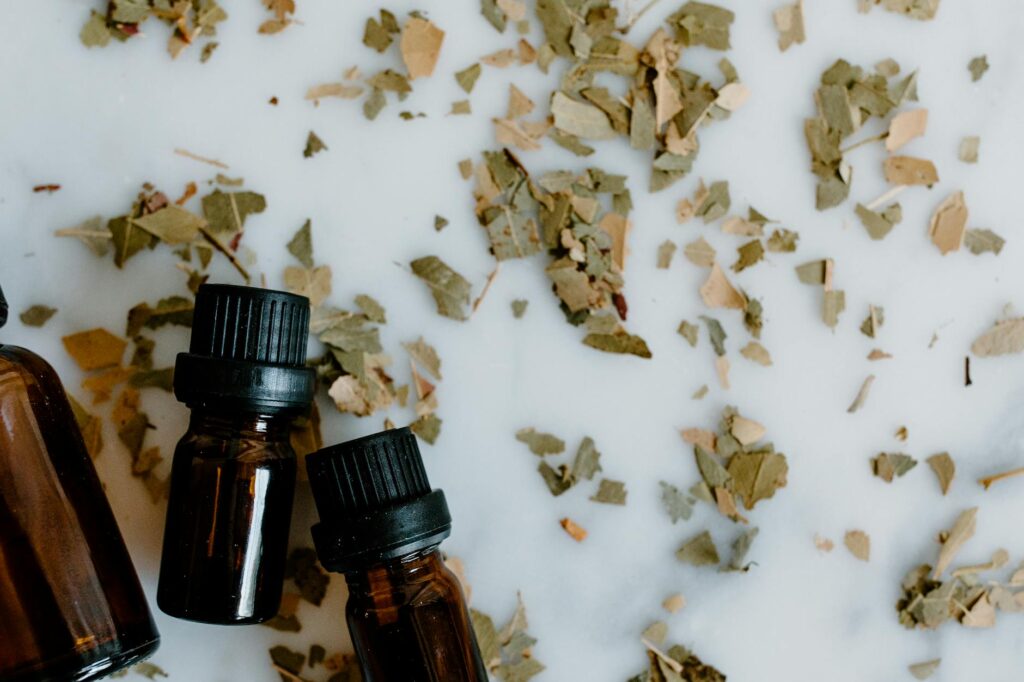
- Keep Away from Light: Store essential oils in dark glass bottles to protect them from UV light, which can degrade the oils.
- Cool, Dry Place: Maintain a consistent temperature, avoiding high heat and humidity.
- Tightly Sealed: Ensure that bottles are tightly sealed to prevent oxidation.
- Shelf Life: Most essential oils have a shelf life of 1-3 years. However, some oils may last longer. Regularly check oils for changes in scent, color, or consistency.
Aromatherapy Applications
Creating Your Own Essential Oil Blends
When crafting essential oil blends for SAD, consider the following guidelines:
1. Choose Your Base Oils: Start with a few essential oils that resonate with you. Aim for a balance of uplifting and calming oils.
2. Dilution: Essential oils are potent and should not be applied directly to the skin without dilution. A general guideline is to mix 2-5 drops of essential oil per teaspoon (5 ml) of carrier oil for topical applications.
3. Blend Ratios: A typical blend may include:
4. Test Your Blend: Before using a new blend extensively, perform a patch test on a small area of skin to check for any adverse reactions.
Sample Blends
Here are a few sample blends to inspire your own creations:
1. Uplifting Citrus Blend:
2. Relaxing Floral Blend:
3. Grounding Harmony Blend:
Safety Considerations
While essential oils are generally considered safe when used correctly, it is essential to follow certain safety precautions:
1. Patch Test: Always conduct a patch test before applying a new blend to your skin.
2. Dilution: Avoid applying undiluted essential oils directly to the skin to minimize the risk of irritation.
3. Consultation: If you are pregnant, nursing, or have pre-existing health conditions, consult a qualified healthcare professional before using essential oils.
4. Children and Pets: Certain essential oils may not be safe for use around children or pets. Research specific oils and consult resources to ensure safety.
5. Quality of Oils: Choose high-quality, pure essential oils. Look for reputable brands that provide information about sourcing and production.
Storage and Shelf Life
Proper storage of essential oils is vital for maintaining their potency. Here are some tips:
Frequently Asked Questions
1. Can essential oils cure Seasonal Affective Disorder?
While essential oils can be beneficial for emotional support, they are not a cure for SAD. They may complement other treatments but should not replace professional care.
2. How often can I use essential oil blends for SAD?
The frequency of use can vary depending on personal preference and individual needs. It’s generally safe to use essential oils daily, but it’s advisable to listen to your body and adjust accordingly.
3. Are there any essential oils to avoid for SAD?
While most essential oils can be beneficial, it’s best to avoid oils that may cause irritation or discomfort. Additionally, some oils may have contraindications for specific health conditions.
4. Can I blend oils myself, or should I buy pre-made blends?
Both options are valid. Creating your own blends allows for customization based on your preferences, while pre-made blends can offer convenience and expert formulations.
5. Do essential oils have any side effects?
Essential oils can cause skin irritation or allergic reactions in some individuals. It is essential to conduct patch tests and use oils safely.
Conclusion
Essential oil blends can serve as a valuable tool in managing the emotional challenges associated with Seasonal Affective Disorder. By selecting oils with uplifting and calming properties, individuals may create a supportive aromatic environment that complements other treatments. As with any approach to emotional well-being, the importance of a holistic view—considering lifestyle, diet, and social connections—should guide your journey. Always prioritize safety and choose high-quality oils to ensure the best experience in your aromatherapy practice.