
Complete Guide to Essential Oil Blends for Seasonal Wellness
Introduction
As the seasons change, so do our environments, moods, and even our bodies. Many people turn to natural remedies to enhance their well-being during these transitions. Essential oils, derived from plants, flowers, and trees, offer a versatile approach to seasonal wellness when blended thoughtfully. This article serves as a comprehensive guide to essential oil blends, exploring their benefits, applications, and safety considerations.
What Are Essential Oil Blends for Seasonal Wellness?
Essential oil blends for seasonal wellness are carefully crafted combinations of various essential oils that target specific needs or issues associated with particular times of the year. The purpose of these blends is to harness the unique properties of each oil to promote emotional and physical well-being throughout the changing seasons.
For example, during the winter months, blends might focus on boosting immunity and combating dryness, while spring blends could emphasize revitalization and cleansing. Each blend is typically formulated to address common challenges associated with the season, enhancing overall wellness.
Key Benefits and Properties
Essential oils possess a wide range of therapeutic properties. Here are some of the key benefits associated with seasonal blends:
1. Emotional Balance: Certain essential oils, such as lavender and bergamot, have calming effects that can help manage seasonal mood fluctuations. Blends may aim to uplift or ground individuals during emotionally challenging times.
2. Respiratory Support: During the colder months, respiratory issues often arise. Oils like eucalyptus and tea tree are known for their ability to clear airways and support respiratory health. Seasonal blends can help ease discomfort and promote easier breathing.
3. Immune Boosting: Essential oils like lemon and oregano have antimicrobial properties that can support the immune system. Blends designed for winter wellness often focus on enhancing immunity to combat seasonal illnesses.
4. Skin Nourishment: Seasonal changes can affect skin health. Oils such as rosehip and frankincense are known for their skin-loving properties. Blends may aim to hydrate or soothe the skin during dry or sun-exposed periods.
5. Energy and Vitality: During the spring and summer months, individuals often seek to invigorate their spirits and energy levels. Citrus oils, such as grapefruit and orange, are uplifting and energizing, making them ideal for seasonal blends focused on vitality.
Common Uses
Essential oil blends can be utilized in various ways, allowing individuals to choose the method that best fits their lifestyle:
1. Diffusion: One of the most popular methods, diffusing essential oils disperses their aromatic qualities into the air. This can create an inviting atmosphere while promoting emotional and physical wellness.
2. Topical Application: Essential oils can be diluted with a carrier oil and applied to the skin for targeted benefits. This method is often used for skincare or localized discomfort.
3. Bathing: Adding essential oil blends to bathwater can create a relaxing experience, allowing the oils to be absorbed through the skin while providing aromatherapy benefits.
4. Inhalation: Direct inhalation from the bottle or a personal inhaler can deliver immediate benefits, particularly for respiratory support or emotional balance.
5. Household Products: Essential oil blends can be incorporated into cleaning supplies, providing natural antibacterial properties while leaving a pleasant scent.
Aromatherapy Applications
Aromatherapy, the practice of using essential oils for therapeutic benefits, plays a crucial role in the application of seasonal blends. Here are some common aromatherapy applications:
Winter Wellness Blend
Ingredients: Frankincense, tea tree, eucalyptus, and sweet orange.
Uses: This blend can be diffused to create an uplifting atmosphere while also supporting respiratory health. It can be applied topically (diluted) to promote skin hydration during dry winter months.
Spring Refresh Blend
Ingredients: Lemon, peppermint, rosemary, and geranium.
Uses: This invigorating blend can be diffused to uplift spirits and enhance mental clarity. It can also be used in a cleansing bath to revitalize the body and mind.
Summer Protection Blend
Ingredients: Lavender, tea tree, and chamomile.
Uses: Ideal for use in a personal spray, this blend can provide a soothing effect for sun-exposed skin. It can also be diffused to create a calming environment during busy summer days.
Autumn Comfort Blend
Ingredients: Cinnamon, clove, ginger, and orange.
Uses: This warming blend can be used in baking or diffused to create a cozy atmosphere. It can also be applied topically (diluted) to stimulate circulation as the weather cools.
Safety Considerations
While essential oils are natural, they are concentrated substances that require proper handling. Here are some safety considerations:
1. Dilution: Essential oils should be diluted in a carrier oil (such as jojoba, coconut, or almond oil) before topical application to avoid skin irritation.
2. Allergies: Conduct a patch test before using a new oil or blend, especially for those with sensitive skin or allergies.
3. Pregnancy and Nursing: Certain essential oils are not recommended during pregnancy or nursing. It is essential to consult with a qualified practitioner.
4. Children and Pets: Some essential oils are not suitable for children or pets. Always research specific oils and consult professionals when necessary.
5. Phototoxicity: Citrus oils can be phototoxic, meaning they can cause skin irritation when exposed to sunlight. Avoid direct sun exposure after topical application of these oils.
Storage and Shelf Life
Proper storage of essential oils is crucial for maintaining their potency and effectiveness. Here are some guidelines:
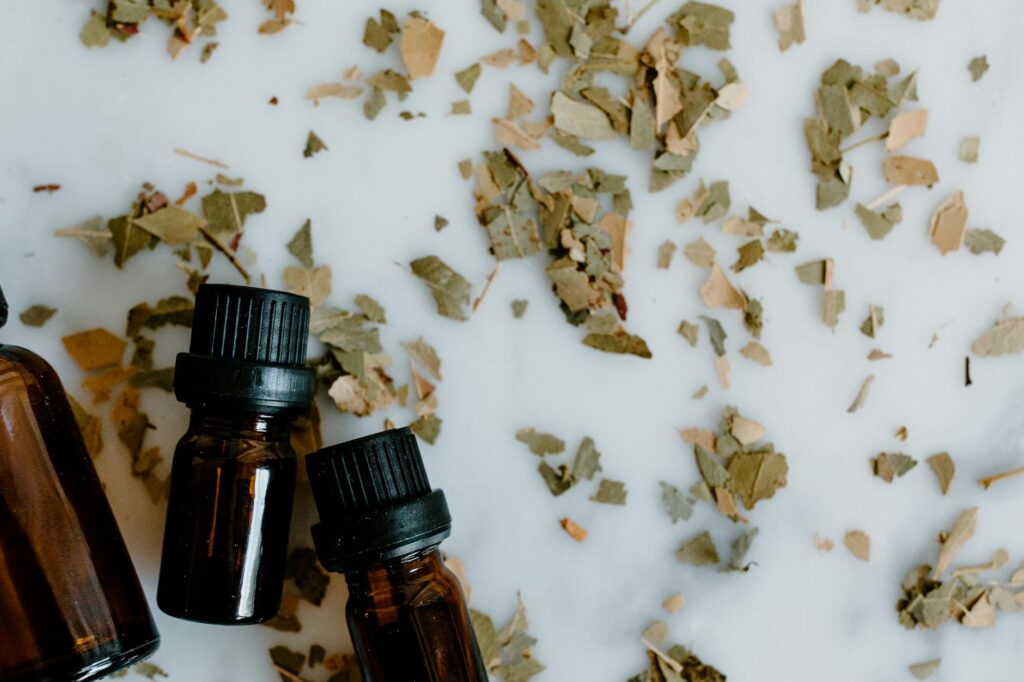
1. Containers: Store oils in dark glass bottles to protect them from light. Avoid plastic containers as they can leach chemicals.
2. Temperature: Keep oils in a cool, dry place. Avoid exposure to extreme temperature fluctuations.
3. Shelf Life: Most essential oils have a shelf life of 1 to 3 years, though some oils, like citrus oils, may have a shorter shelf life. Check for any changes in smell, color, or viscosity, which may indicate spoilage.
Frequently Asked Questions
Can I create my own essential oil blends?
Yes, blending essential oils can be a rewarding experience. Start by researching individual oils and their properties, then experiment with small quantities to find the combination that resonates with you.
How do I choose the right essential oils for my seasonal blend?
Consider the specific needs you wish to address during the season. Research the properties of various oils and select those that align with your wellness goals.
Are there any essential oils I should avoid?
Certain essential oils may not be suitable for everyone, particularly those with specific health conditions or sensitivities. Always conduct thorough research and consider consulting a qualified practitioner.
How long do the effects of essential oil blends last?
The effects of essential oil blends can vary based on individual sensitivity and the method of application. Diffusion may provide immediate effects, while topical application may offer longer-lasting benefits.
Can I use essential oils in cooking?
While some essential oils are safe for culinary use, it’s essential to ensure they are labeled as food-grade. Always use caution and follow recommended guidelines.
Conclusion
Essential oil blends for seasonal wellness offer a natural and versatile approach to enhancing well-being throughout the year. By understanding the properties and potential applications of essential oils, individuals can create personalized blends that support their physical and emotional health. Whether diffused, applied topically, or used in household products, these blends can significantly enhance the seasonal experience, fostering a sense of balance and vitality. As with any natural remedy, prudent use and consideration of individual needs are key to unlocking the full potential of essential oils.