
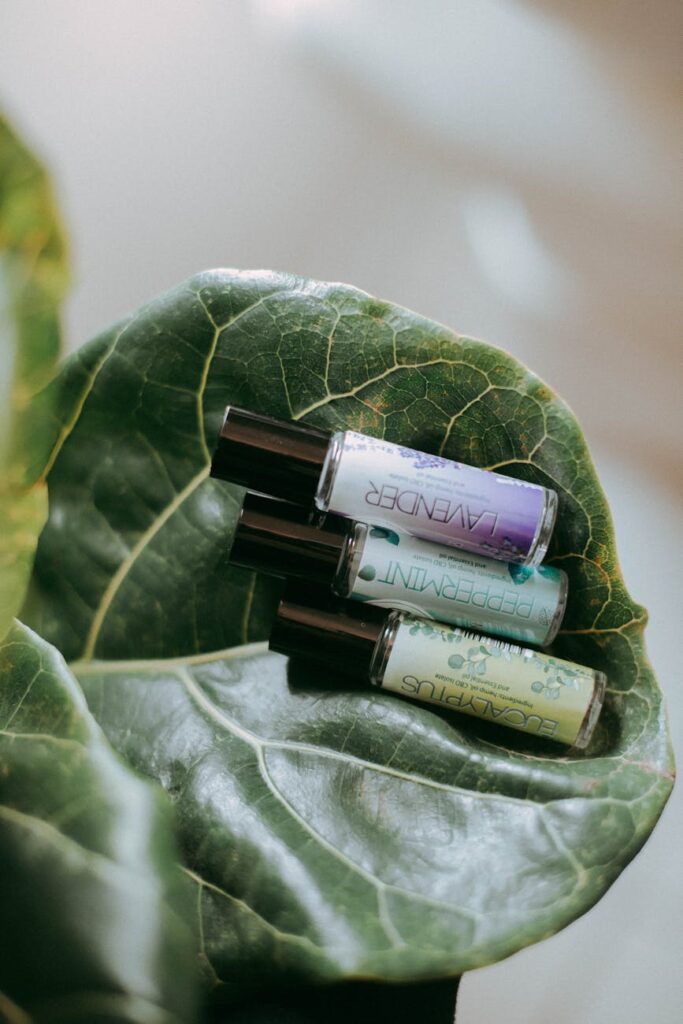
Complete Guide to Essential Oil Blends for Skin Care and Beauty
Introduction
Essential oils have captivated the attention of many for their aromatic properties and potential benefits in skin care and beauty. Derived from various parts of plants, these concentrated extracts offer a diverse range of scents and therapeutic properties. Essential oil blends, when carefully formulated, can enhance beauty routines and contribute to healthier skin. This guide aims to provide a comprehensive overview of essential oil blends specifically tailored for skin care and beauty, exploring their benefits, common applications, safety considerations, and more.
What Is Essential Oil Blends for Skin Care and Beauty?
Essential oil blends are combinations of two or more essential oils, each selected for their individual properties and benefits. In the context of skin care and beauty, these blends are designed to target specific skin concerns, enhance the overall appearance of the skin, or provide a soothing sensory experience. Essential oils can be incorporated into various products, including facial serums, creams, lotions, and bath oils, making them versatile tools in the beauty industry.
Key Benefits and Properties
The benefits of essential oil blends in skin care and beauty are numerous and varied, depending on the oils used in the blend. Here are some of the key benefits:
1. Nourishment and Hydration
Certain essential oils, such as lavender and chamomile, possess nourishing properties that can help hydrate and soothe the skin, promoting a healthy glow.
2. Anti-Aging
Oils like frankincense and rose are renowned for their anti-aging properties, helping to reduce the appearance of fine lines and wrinkles while promoting skin elasticity.
3. Cleansing and Purifying
Tea tree and lemon essential oils are known for their cleansing properties, making them effective in helping to clear blemishes and reduce excess oil.
4. Soothing and Calming
Essential oils such as geranium and ylang-ylang can provide calming effects, making them ideal for sensitive or irritated skin.
5. Aromatic Benefits
In addition to their topical applications, the aromatic properties of essential oils can enhance mood and emotional well-being, creating a holistic approach to beauty.
Common Uses
Essential oil blends can be employed in various skin care applications, including:
1. Facial Oils
Facial oils can be customized with essential oil blends to address specific skin concerns, such as dryness, acne, or signs of aging.
2. Moisturizers and Creams
Adding essential oils to creams and moisturizers can enhance their effectiveness, providing additional nourishment and targeted treatment.
3. Masks and Scrubs
Essential oil blends can be integrated into facial masks and scrubs, offering both exfoliation and therapeutic benefits.
4. Bath and Body Products
Essential oil-infused bath oils, scrubs, and body lotions can provide a luxurious and aromatic experience while nurturing the skin.
5. Aromatherapy Diffusion
While primarily used for topical applications, essential oil blends can also be diffused in the air to create a calming environment, enhancing the overall beauty ritual.
Aromatherapy Applications
The integration of essential oil blends into aromatherapy practices can amplify their benefits. Here are some common applications:
1. Inhalation
Inhaling essential oil blends can help to promote relaxation, reduce stress, and uplift mood, complementing the physical benefits of skin care.
2. Massage
Incorporating essential oil blends into massage oils can enhance the experience, providing both physical relief and emotional balance.
3. Steam Inhalation
Adding essential oils to a bowl of hot water for steam inhalation can help to clear the sinuses and promote relaxation, contributing to a holistic beauty routine.
4. Bathing
Adding essential oil blends to bathwater can transform an ordinary bath into a spa-like experience, providing relaxation and skin benefits simultaneously.
Safety Considerations
While essential oils are generally regarded as safe for use, it is essential to follow certain precautions:
1. Dilution
Essential oils are highly concentrated and should be diluted with carrier oils (such as jojoba, almond, or coconut oil) before applying them directly to the skin. A typical dilution ratio is 2-3 drops of essential oil per teaspoon of carrier oil.
2. Patch Testing
Before using a new essential oil blend, it is advisable to perform a patch test. Apply a small amount of the diluted blend to an inconspicuous area of skin and observe for any adverse reactions.
3. Sensitivity and Allergies
Individuals with skin sensitivities or allergies should exercise caution and consult with a qualified professional if unsure about the suitability of specific essential oils.
4. Avoiding Certain Areas
Certain essential oils should be avoided around sensitive areas, such as the eyes, mucous membranes, and broken skin.
5. Pregnancy and Nursing
Pregnant or nursing individuals should consult with a healthcare professional before using essential oils, as some oils may not be safe during these periods.
Storage and Shelf Life
Proper storage of essential oil blends is crucial for maintaining their efficacy and safety:
1. Dark Glass Containers
Essential oils should be stored in dark glass containers to protect them from light, which can degrade their quality.
2. Cool, Dry Place
Keep essential oil blends in a cool, dry place away from direct sunlight and heat sources to prolong shelf life.
3. Shelf Life
The shelf life of essential oils can vary, but most oils can last from 1 to 5 years when stored properly. Citrus oils tend to have a shorter shelf life, while oils like patchouli and sandalwood may improve with age.
Frequently Asked Questions
1. Can I use essential oils directly on my skin?
It is generally recommended to dilute essential oils with a carrier oil before applying them to the skin to avoid irritation.
2. How do I choose the right essential oil blend for my skin type?
Consider your specific skin concerns and choose essential oils known for addressing those issues. Research and experimentation can help you find the most suitable blend.
3. Are essential oils safe for sensitive skin?
Some essential oils may cause irritation in sensitive skin. It is advisable to perform a patch test and consult with a professional if you have concerns.
4. How can I incorporate essential oil blends into my beauty routine?
Essential oil blends can be added to various beauty products, such as serums, moisturizers, masks, and bath oils, enhancing their effectiveness.
5. Can essential oil blends expire?
Yes, essential oils can degrade over time, especially if not stored properly. Check for any changes in scent or consistency to determine if they are still usable.
Conclusion
Essential oil blends offer a dynamic approach to skin care and beauty, providing a myriad of benefits while contributing to overall well-being. By understanding the properties, applications, and safety considerations of these aromatic extracts, individuals can create personalized beauty rituals that not only nourish the skin but also engage the senses. Whether you are looking to hydrate, rejuvenate, or simply enjoy the fragrant experience, essential oil blends can play a significant role in enhancing your beauty regimen.