
Complete Guide to Essential Oil Blends for Sleep Quality Improvement and Relaxation
Introduction
In our fast-paced world, achieving quality sleep and relaxation can often feel elusive. Many individuals seek natural alternatives to promote restful nights and calm moments during the day. Essential oils, derived from aromatic plants, have gained popularity for their potential to enhance sleep quality and foster relaxation. This guide explores essential oil blends designed specifically for these purposes, detailing their benefits, common uses, and application methods.
What Are Essential Oil Blends for Sleep Quality Improvement and Relaxation?
Essential oil blends are combinations of various essential oils formulated to achieve specific outcomes, such as improved sleep quality or enhanced relaxation. When blended, these oils can synergistically enhance each other’s properties, resulting in a more profound effect than single oils alone. Popular essential oils for sleep and relaxation include lavender, chamomile, and bergamot, each known for their calming and soothing characteristics.
Key Benefits and Properties
The benefits of essential oil blends for sleep and relaxation can be attributed to the natural compounds found in each oil. Here are some key properties:
- Calming Effects: Oils like lavender and chamomile have been traditionally recognized for their calming effects on the mind and body. They may help reduce anxiety and promote a sense of tranquility.
- Sleep Induction: Certain oils, such as cedarwood and bergamot, are known for their sedative properties, which may assist in initiating sleep and improving sleep quality.
- Stress Reduction: Essential oils can help mitigate stress, which is often a barrier to restful sleep. Oils like ylang-ylang and frankincense are used for their mood-enhancing and stress-relieving properties.
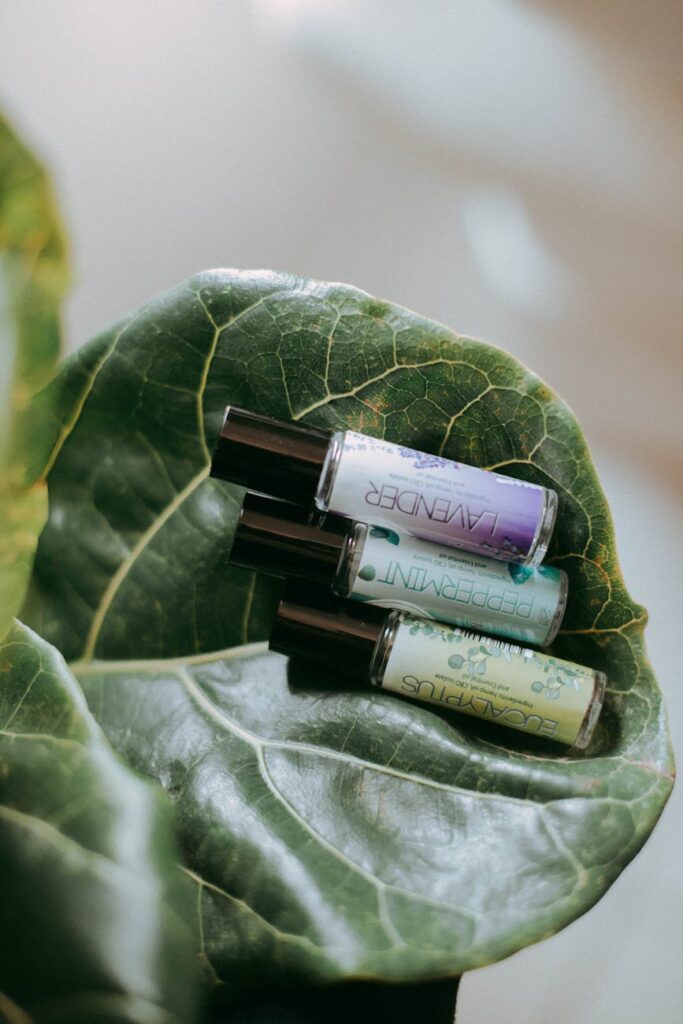
- Respiratory Support: Oils such as eucalyptus and peppermint can assist with respiratory issues that may disrupt sleep, promoting easier breathing during the night.
- Diffusion: Using a diffuser is one of the most popular methods to disperse essential oils into the air. This method allows for a gentle aroma to fill the room, creating a calming environment conducive to sleep.
- Topical Application: Diluting essential oils in a carrier oil and applying to pulse points, such as wrists or temples, can enhance relaxation and improve sleep quality.
- Bathing: Adding essential oils to a warm bath can create a soothing ambiance while promoting relaxation through the skin and inhalation.
- Sleep Pillows: A few drops of essential oil can be applied to a pillowcase or a sleep mask to create a calming atmosphere as you drift off to sleep.
- Bedtime Routine: Incorporating essential oil blends into a nightly routine, such as diffusing oils or using them in a warm bath before bed, can signal to the body that it is time to wind down.
- Meditation and Mindfulness: Essential oils can enhance meditation practices by promoting a peaceful environment. Blending oils like sandalwood or frankincense can assist in grounding the mind.
- Stress Relief at Work: Carrying a small roll-on blend of essential oils can provide a quick way to relieve stress and anxiety during the day, promoting mental clarity and relaxation.
- Massage: Creating a massage blend with essential oils can alleviate tension in the body, contributing to an overall sense of relaxation and well-being.
- Dilution: Essential oils should always be diluted in a carrier oil before topical application to avoid skin irritation. Common carrier oils include coconut, jojoba, and sweet almond oil.
- Allergies and Sensitivities: Individuals should perform a patch test before using a new essential oil to check for allergic reactions. If any irritation occurs, discontinue use immediately.
- Pregnancy and Children: Some essential oils may not be suitable for pregnant individuals or young children. It is advisable to consult with a knowledgeable aromatherapist or healthcare professional before use.
- Quality of Oils: Not all essential oils are created equal. It is crucial to choose high-quality, pure essential oils from reputable sources to ensure safety and efficacy.
- Cool, Dark Place: Essential oils should be stored in a cool, dark location away from direct sunlight and heat sources. A cabinet or drawer is ideal.
- Seal Tightly: Ensure that bottles are tightly sealed to prevent oxidation, which can degrade the oil over time.
- Glass Containers: Essential oils should be stored in dark glass bottles to protect them from light exposure. Avoid plastic containers, as essential oils can degrade plastic over time.
- Shelf Life: While the shelf life of essential oils can vary, most oils last between 1 to 3 years. Citrus oils tend to have a shorter shelf life, while oils like sandalwood and patchouli can last longer.
Common Uses
Essential oil blends for sleep and relaxation can be used in various ways, including:
Aromatherapy Applications
Aromatherapy utilizes essential oils for therapeutic benefits, including enhancing sleep quality and relaxation. Here are several applications:
Safety Considerations
While essential oils are generally safe for many people, there are important safety considerations to keep in mind:
Storage and Shelf Life
Proper storage of essential oils is essential for maintaining their potency and effectiveness. Here are some storage tips:
Frequently Asked Questions
1. Can I use essential oils while pregnant?
While some essential oils are considered safe for use during pregnancy, many are not. It is vital to consult with a healthcare professional before using any essential oils during pregnancy.
2. How do I know which essential oil blend is right for me?
Choosing the right essential oil blend depends on individual preferences and needs. Consider what you are looking to achieve—whether it’s relaxation, stress relief, or improved sleep—and select oils known for those properties.
3. Can I use essential oils in my diffuser while sleeping?
Yes, using a diffuser while sleeping can create a calming environment. However, ensure that the diffuser is safe for overnight use and does not emit too strong a scent that might disrupt sleep.
4. How often should I use essential oils for sleep improvement?
Frequency of use can vary based on individual preferences. Some may choose to incorporate essential oils into their nightly routine, while others may use them as needed for relaxation or stress relief.
5. Are there any essential oils I should avoid?
Certain essential oils may be irritating or unsuitable for specific individuals, including those with certain medical conditions or sensitivities. It’s advisable to research each oil and consult with a knowledgeable source if unsure.
Conclusion
Essential oils offer a natural and holistic approach to enhancing sleep quality and promoting relaxation. By understanding the properties, uses, and safety considerations of essential oil blends, individuals can create personalized experiences that cater to their unique needs. Whether through diffusion, topical application, or other methods, these aromatic oils can contribute to a more restful night and a calmer day, ultimately fostering improved well-being.