
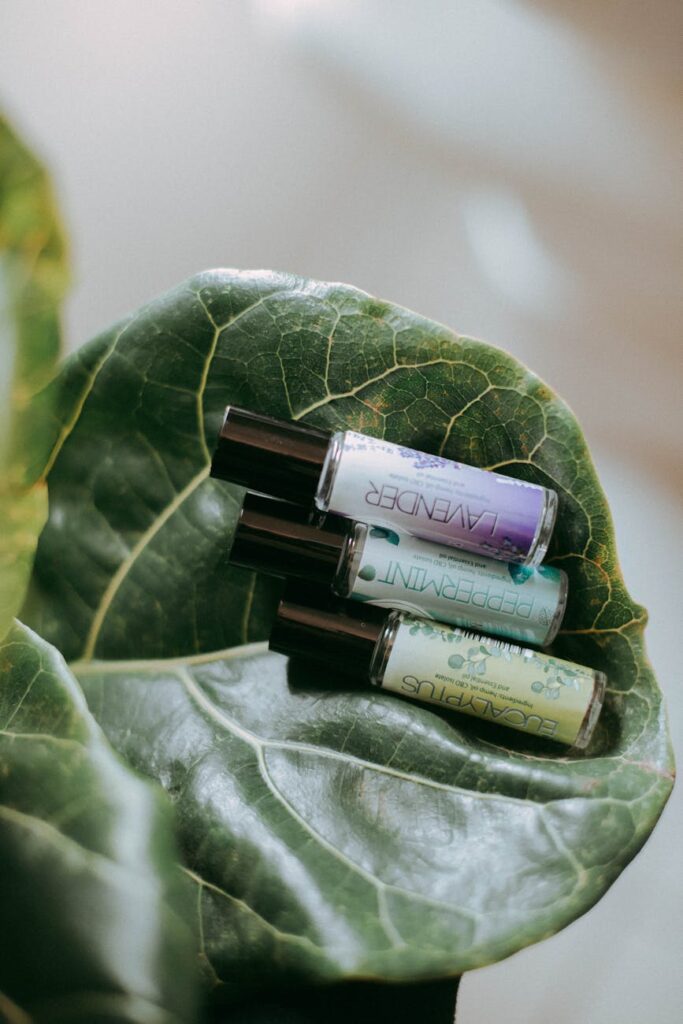
Complete Guide to Essential Oil Blends for Sleep Quality Improvement
Introduction
In today’s fast-paced world, many individuals struggle with sleep-related issues, ranging from insomnia to restless nights. As people seek natural alternatives to improve their sleep quality, essential oils have gained considerable popularity. This guide aims to provide a comprehensive understanding of essential oil blends specifically designed to enhance sleep quality, exploring their benefits, applications, and safety considerations.
What Are Essential Oil Blends for Sleep Quality Improvement?
Essential oil blends for sleep quality improvement consist of various plant-derived oils formulated to promote relaxation and a sense of calm. These blends typically incorporate oils known for their soothing properties, such as lavender, chamomile, and cedarwood. When combined thoughtfully, these essential oils can work synergistically to enhance their individual effects, making them particularly effective for fostering a restful environment conducive to sleep.
Key Benefits and Properties
The benefits of using essential oil blends for sleep are numerous:
1. Promotes Relaxation
Many essential oils possess calming properties that can help reduce anxiety and stress. Oils such as lavender and bergamot are well-known for their ability to lower cortisol levels, promoting a tranquil state of mind.
2. Improves Sleep Quality
Certain essential oils can enhance the quality of sleep. Oils like vetiver and sandalwood are believed to deepen sleep, helping individuals achieve more restorative rest.
3. Aids in Sleep Onset
Blends containing sedative oils can help individuals fall asleep more quickly. Oils like chamomile and ylang-ylang are often used for their ability to ease the transition into sleep.
4. Enhances Sleep Environment
Aromatherapy can create a calming atmosphere, making it easier to relax. Diffusing essential oils in the bedroom can transform the environment into a sanctuary for sleep.
5. Supports Emotional Well-Being
Essential oils can influence emotional health positively. The aroma of certain oils can evoke pleasant memories or feelings of safety, which may help individuals feel more comfortable and ready for sleep.
Common Uses
Essential oil blends for sleep can be utilized in several ways:
1. Diffusion
Using an essential oil diffuser is a popular method for dispersing essential oils into the air. Adding a few drops of a sleep-promoting blend to a diffuser can fill the bedroom with calming aromas.
2. Topical Application
Essential oil blends can be diluted with a carrier oil and applied to pulse points such as wrists, temples, or the neck. This method allows for the direct absorption of the oils, enhancing their calming effects.
3. Bath Soaks
Adding essential oils to a warm bath can create an indulgent, relaxing experience. A few drops of a sleep blend mixed with Epsom salts can promote relaxation before bedtime.
4. Pillow Sprays
Creating a pillow spray with essential oils can provide a direct soothing aroma as one prepares to sleep. This method allows the scent to be close to the nose, enhancing its effectiveness.
5. Sleep Masks and Linens
Incorporating essential oils into sleep masks or linens can provide a gentle fragrance that promotes relaxation throughout the night.
Aromatherapy Applications
The practice of aromatherapy utilizes essential oils for their therapeutic benefits. Here are some common applications for sleep improvement:
1. Inhalation
Inhaling essential oils directly from the bottle or a cotton ball can provide immediate calming effects. This method is useful for those who may not have access to diffusers or other tools.
2. Meditation and Yoga
Incorporating essential oils into meditation or yoga practices can enhance relaxation and focus. Using a calming blend during these activities can prepare the mind and body for sleep.
3. Massage
A gentle massage using diluted essential oil blends can promote relaxation and relieve tension in the body, preparing individuals for a restful night.
4. Guided Sleep Rituals
Creating a nightly routine that includes the use of essential oils can signal to the body that it is time to wind down. This can involve a combination of diffusion, inhalation, and topical application.
Safety Considerations
While essential oils offer many benefits, it is essential to use them safely:
1. Dilution
Essential oils are highly concentrated and should be diluted with a carrier oil before topical application to minimize the risk of skin irritation. A common dilution ratio is 2-3 drops of essential oil per teaspoon of carrier oil.
2. Allergies and Sensitivities
Individuals with allergies or sensitive skin should conduct a patch test before using a new essential oil blend. If irritation occurs, discontinue use.
3. Pregnancy and Nursing
Pregnant or nursing individuals should consult with a healthcare professional before using essential oils, as some oils may not be suitable during these times.
4. Pets
Certain essential oils can be harmful to pets. It is advisable to research which oils are safe to use around animals and to avoid diffusing oils in spaces where pets are present.
5. Consultation
For those with pre-existing health conditions, it is prudent to seek guidance from a qualified aromatherapist or healthcare provider before incorporating essential oils into a wellness routine.
Storage and Shelf Life
To maintain the efficacy of essential oils, proper storage is crucial:
1. Dark Glass Bottles
Essential oils should be stored in dark glass bottles to protect them from light and degradation. Clear bottles can break down the compounds in the oils, reducing their effectiveness.
2. Cool, Dry Place
Essential oils should be kept in a cool, dry place away from direct sunlight and heat sources. Excessive heat can alter the chemical composition of the oils.
3. Shelf Life
Most essential oils have a shelf life of 1-3 years, depending on the oil. Citrus oils tend to have a shorter lifespan, while oils like patchouli and vetiver can last longer. Regularly check for any changes in color, scent, or viscosity, as these may indicate that the oil has gone bad.
Frequently Asked Questions
1. How long does it take for essential oils to work for sleep?
The effects of essential oils can vary from person to person. Many individuals report feeling the calming effects within minutes, especially when using methods like inhalation or diffusion.
2. Can essential oils replace sleep medications?
Essential oils may support relaxation and improve sleep quality, but they are not a substitute for prescribed medications. It is essential to consult a healthcare provider for any sleep-related issues.
3. How do I choose the right essential oil blend for sleep?
Selecting the right blend often involves personal preference. Popular choices include lavender for its calming effects, chamomile for its soothing properties, and cedarwood for its grounding aroma. Experimenting with different oils can help identify what works best for individual needs.
4. Are there any essential oils to avoid for sleep?
While most essential oils are safe for use, some stimulating oils, such as peppermint or eucalyptus, may be better suited for daytime use rather than bedtime. It is best to opt for oils known for their calming properties when preparing for sleep.
5. Can I create my own essential oil blend for sleep?
Yes, creating a personalized essential oil blend is a rewarding process. Mixing oils like lavender, bergamot, and cedarwood can yield a soothing aroma tailored to individual preferences.
Conclusion
Essential oil blends for sleep quality improvement offer a natural approach to enhancing relaxation and fostering a peaceful sleeping environment. By understanding the benefits, applications, and safety considerations surrounding these oils, individuals can make informed choices to enhance their sleep routines. Whether diffusing, applying topically, or incorporating essential oils into a nighttime ritual, these blends can provide a supportive tool for those seeking better sleep.