
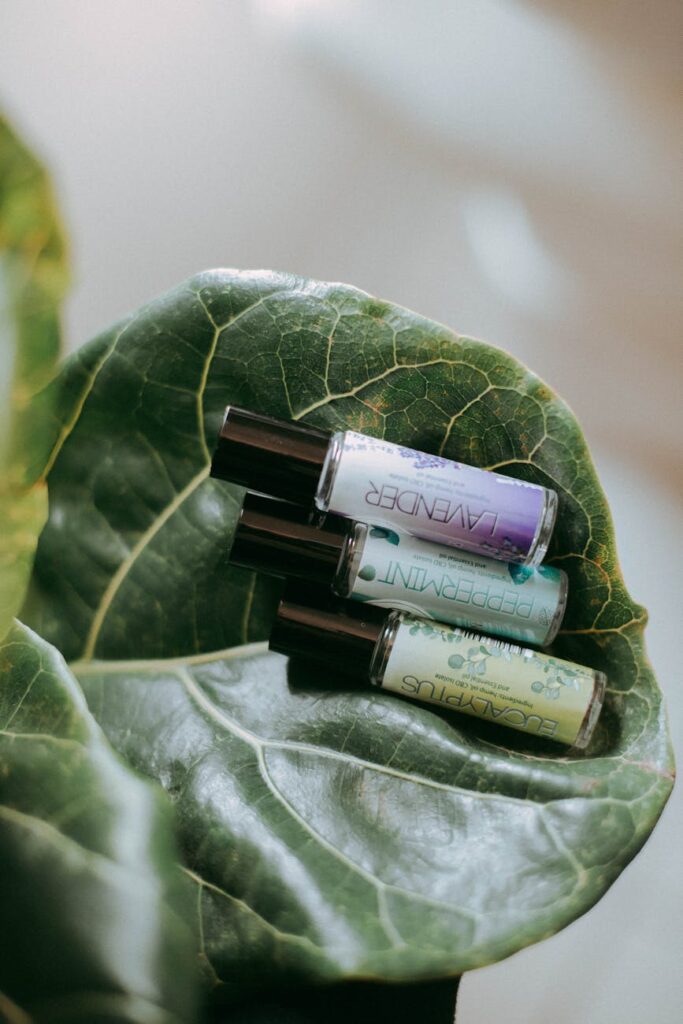
Complete Guide to Essential Oil Blends for Sleep
Introduction
In today’s fast-paced world, a good night’s sleep can often feel elusive. Many individuals are turning to natural methods to enhance their sleep quality, and one such method is the use of essential oils. Essential oil blends for sleep harness the aromatic properties of various plant extracts to create a relaxing environment that may promote restfulness. This guide aims to explore what essential oil blends for sleep are, their benefits, common applications, and safety considerations, providing a comprehensive understanding for those interested in incorporating these fragrant solutions into their nightly routines.
What Are Essential Oil Blends for Sleep?
Essential oil blends for sleep are combinations of different essential oils specifically formulated to foster relaxation and improve sleep quality. These blends typically include oils known for their calming properties, such as lavender, chamomile, and bergamot. The synergy created by blending multiple oils can enhance their individual properties, making them more effective for promoting relaxation and tranquility.
Essential oils are concentrated extracts derived from the leaves, flowers, stems, and roots of plants. Each essential oil possesses unique aromatic profiles and therapeutic properties, which can be combined in various ways to create effective blends tailored for sleep.
Key Benefits and Properties
The benefits of using essential oil blends for sleep are manifold. While individual experiences may vary, many users report the following advantages:
1. Improved Sleep Quality: Some essential oils have sedative properties that may help individuals fall asleep faster and stay asleep longer.
2. Reduced Anxiety and Stress: Many essential oils are known to have calming effects that may alleviate anxiety and stress, creating an environment conducive to relaxation.
3. Eases Restlessness: Blends containing calming oils can help soothe restlessness, allowing for a more peaceful night’s sleep.
4. Promotes a Relaxing Atmosphere: The pleasant aromas of essential oils can create a tranquil ambiance, making the bedroom a sanctuary for rest.
5. Natural Alternative: For those seeking alternatives to over-the-counter sleep aids, essential oils offer a natural solution for sleep support.
Common Essential Oils for Sleep
- Lavender: Renowned for its calming and soothing properties, lavender is often the go-to essential oil for sleep.
- Chamomile: Known for its mild sedative effects, chamomile helps in reducing anxiety and promoting relaxation.
- Bergamot: This citrus oil has mood-lifting properties while also being calming, making it a popular choice for sleep blends.
- Cedarwood: With its warm, woody scent, cedarwood is believed to help alleviate insomnia and promote emotional balance.
- Ylang Ylang: Known for its sweet floral aroma, ylang ylang can help reduce stress and enhance mood, contributing to a restful night.
- Evening Rituals: Establishing a calming pre-sleep routine using essential oils can signal to the body that it is time to wind down. This may include meditation, gentle stretching, or sipping herbal tea infused with calming scents.
- Meditation and Mindfulness: Incorporating essential oils into meditation practices can enhance relaxation and promote a deeper connection to the present moment.
- Sleep Environment: Creating a soothing sleep environment can be achieved by using essential oils in diffusers, candles, or room sprays, helping to establish a serene ambiance.
- Keep Away from Light: Essential oils should be stored in dark glass bottles to protect them from light exposure, which can degrade their quality.
- Cool, Dry Place: Store oils in a cool, dry area away from heat sources and humidity to extend their shelf life.
- Tightly Sealed: Ensure that bottles are tightly sealed to prevent oxidation and evaporation.
Common Uses
Essential oil blends for sleep can be employed in various ways, depending on personal preferences and needs. Here are some common methods of use:
1. Diffusion: Using an essential oil diffuser is one of the most popular methods. By dispersing the aroma throughout the room, it creates a calming atmosphere conducive to sleep.
2. Topical Application: Diluting essential oils with a carrier oil (like coconut or almond oil) allows for direct application to pulse points, such as wrists or behind the ears.
3. Bathing: Adding a few drops of essential oil blends to a warm bath can create a relaxing experience that prepares the body for sleep.
4. Pillow Sprays: Mixing essential oils with water in a spray bottle to lightly mist bedding can infuse the sleeping area with calming scents.
5. Inhalation: Simply inhaling the aroma from a cotton ball or tissue with a few drops of essential oil can provide immediate relaxation.
Aromatherapy Applications
The practice of aromatherapy utilizes essential oils to improve physical and emotional well-being. When it comes to sleep, aromatherapy can be effectively integrated in the following ways:
Safety Considerations
While essential oils are natural, it is essential to use them safely. Here are some important safety considerations:
1. Dilution: Always dilute essential oils with a carrier oil before applying them to the skin to prevent potential irritation.
2. Patch Test: Conduct a patch test on a small area of skin to check for any allergic reactions before extensive use.
3. Pregnancy and Nursing: Some essential oils may not be safe for pregnant or nursing women. It is advisable to consult with a healthcare professional before use.
4. Children and Pets: Certain essential oils can be harmful to children and pets. Always research the safety of specific oils before using them around animals or young children.
5. Quality of Essential Oils: Always opt for high-quality, pure essential oils from reputable sources. Synthetic oils may not provide the same benefits and could contain harmful chemicals.
Storage and Shelf Life
Proper storage of essential oils is crucial to maintain their effectiveness. Here are some storage tips:
The shelf life of essential oils varies depending on the type, but most oils can last from 1 to 3 years if stored properly. Citrus oils tend to have a shorter shelf life, while some woody oils may last longer.
Frequently Asked Questions
1. Can essential oil blends completely cure sleep disorders?
While essential oil blends can promote relaxation and improve sleep quality for some individuals, they are not a substitute for professional medical advice or treatment for sleep disorders.
2. How do I create my own essential oil blend for sleep?
To create a personalized blend, start with a base oil (like lavender or chamomile), and add a few drops of complementary oils (such as cedarwood or bergamot). A common ratio is three drops of the base oil to one drop of each additional oil.
3. Can I use essential oils in a humidifier?
Using essential oils in a humidifier is not recommended unless specified by the manufacturer, as some oils can damage the device. Instead, consider using a diffuser designed for essential oils.
4. How often can I use essential oil blends for sleep?
Essential oil blends for sleep can be used nightly as part of a bedtime routine. However, it is advisable to take breaks to prevent desensitization to the scents.
5. Are there any essential oils I should avoid for sleep?
While many essential oils are suitable for promoting sleep, oils like peppermint or citrus oils may be energizing and could interfere with sleep for some individuals. It’s best to experiment and find what works best for you.
Conclusion
Essential oil blends for sleep offer a natural and aromatic approach to enhancing sleep quality. By understanding the benefits, common uses, and safety considerations, individuals can effectively incorporate these blends into their nightly routines. Whether diffusing calming scents or creating personalized blends, essential oils can play a role in fostering a serene environment conducive to restful sleep. As with any holistic practice, individual experiences may vary, and it is important to listen to one’s body and make adjustments as needed.