
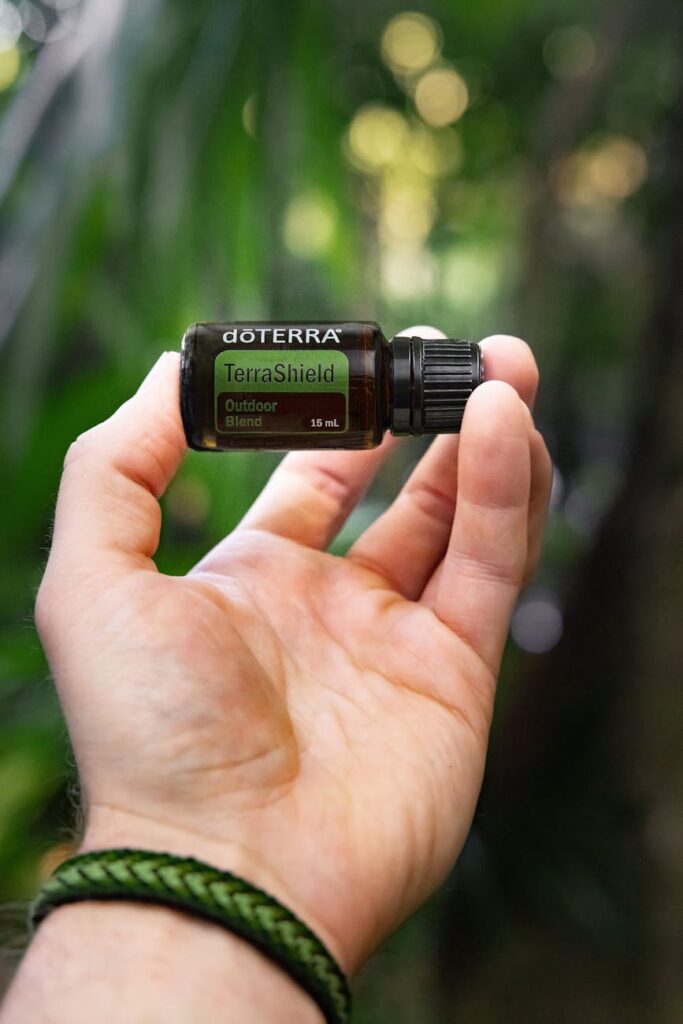
Complete Guide to Essential Oil Blends
Introduction
Essential oils have garnered considerable attention in recent years for their aromatic properties and potential benefits. Among the myriad ways to enjoy these potent plant extracts, essential oil blends stand out as a versatile and engaging option. This guide aims to provide an in-depth understanding of essential oil blends, their benefits, common uses, applications in aromatherapy, safety considerations, and more.
What Is Essential Oil Blends?
Essential oil blends are combinations of two or more essential oils, each contributing unique aromatic and therapeutic properties. The art and science of blending essential oils allow practitioners to create customized fragrances that can evoke specific emotions, enhance experiences, or address various needs.
Composition of Essential Oil Blends
Each essential oil contains a complex mixture of volatile compounds, including terpenes, esters, and phenols. When blended, the individual characteristics of each oil interplay, resulting in a new aroma that may be more complex and nuanced than any single oil alone. Blends can be formulated for various purposes, such as relaxation, energization, or emotional balance.
Key Benefits and Properties
The benefits of essential oil blends arise from the synergistic effects of the individual oils. While each oil has its unique properties, when combined, they can create a more potent effect. Some key benefits include:
1. Enhanced Aromatic Experience
Blends can create a more rounded and pleasing scent profile, making them more enjoyable for diffusing or topical application.
2. Synergistic Effects
Certain combinations can enhance the therapeutic properties of each oil, offering a broader range of benefits. For example, a blend of lavender and chamomile may promote relaxation more effectively than either oil alone.
3. Customization
Blending allows individuals to tailor the aroma to their preferences or specific needs, whether for relaxation, focus, or mood enhancement.
4. Versatility
Essential oil blends can be used in various applications, from aromatherapy to personal care products, making them adaptable for different purposes.
Common Uses
Essential oil blends can be utilized in multiple contexts, including:
1. Aromatherapy
Diffusing blends in a home or work environment can create an uplifting or calming atmosphere.
2. Personal Care Products
Blends can be added to lotions, creams, or bath products for added fragrance and potential skin benefits.
3. Household Cleaning
Certain essential oil blends possess antimicrobial properties and can be incorporated into natural cleaning solutions.
4. Massage Oils
Blended oils can be used in massage therapies to enhance relaxation and relieve tension.
Aromatherapy Applications
Aromatherapy is the practice of using essential oils for therapeutic benefits, often through inhalation or topical application. Here are some common applications of essential oil blends in aromatherapy:
1. Diffusion
Using a diffuser is one of the most popular methods for dispersing essential oils into the air. Blends can be tailored for different spaces or occasions, creating an environment conducive to relaxation, focus, or invigoration.
2. Inhalation
Inhaling essential oil blends directly from the bottle or a cotton ball can provide immediate aromatic benefits, making it a quick method for emotional support.
3. Topical Application
When diluted appropriately, essential oil blends can be applied to the skin. This method is often used in massage and personal care products, allowing the oils to interact with the body’s systems.
4. Bathing
Adding blended oils to bathwater can create a soothing and aromatic bathing experience, enhancing relaxation and stress relief.
Safety Considerations
While essential oils and their blends can offer numerous benefits, it is essential to prioritize safety. Some considerations include:
1. Dilution
Essential oils should always be diluted before topical application. Carrier oils, such as coconut, jojoba, or almond oil, can be used to dilute essential oils to minimize skin irritation.
2. Allergies and Sensitivities
Conduct a patch test before using a new oil or blend to check for allergic reactions or sensitivities. If irritation occurs, discontinue use immediately.
3. Pregnancy and Nursing
Pregnant or nursing individuals should consult a healthcare professional before using essential oils, as some oils may not be safe during these periods.
4. Children and Pets
Certain essential oils can be harmful to children and pets. Always check guidelines regarding safe oils for use around them.
5. Storage
Store essential oils and blends in dark glass bottles away from direct sunlight and heat to maintain their integrity.
Storage and Shelf Life
Proper storage is crucial to maintaining the quality of essential oil blends. Here are some tips:
1. Use Dark Glass Bottles
Dark glass helps protect oils from light, which can degrade their properties.
2. Keep Cool and Dry
Store oils in a cool, dry place to prevent oxidation and loss of potency.
3. Shelf Life
Essential oils generally have a shelf life ranging from 1 to 5 years, depending on the type of oil. Citrus oils tend to have a shorter shelf life, while oils like patchouli and sandalwood can last longer.
4. Labeling
Label your blends with the date of creation and the ingredients used for easy identification and tracking of freshness.
Frequently Asked Questions
1. How do I create my own essential oil blend?
Start by selecting a few essential oils that you enjoy or that serve the purpose you desire. A good starting point is to use a base note, middle note, and top note to create balance. Experiment with different ratios until you find a blend you love.
2. Can I use essential oil blends in cooking or food?
Not all essential oils are safe for ingestion. Only high-quality, food-grade essential oils should be used if you intend to incorporate them into food, and even then, it’s advisable to consult a professional.
3. Are essential oil blends safe for everyone?
While many people can safely enjoy essential oil blends, certain groups, such as pregnant women, children, and pets, may require caution and should consult a healthcare provider before use.
4. How do I know which essential oils to blend?
Consider the properties and aromas of the oils. Research their therapeutic benefits and combine them based on your specific needs or preferences.
5. How often can I use essential oil blends?
The frequency of use can vary based on the method of application and individual preferences. However, it is wise to take breaks to avoid desensitization.
Conclusion
Essential oil blends offer a rich tapestry of aromas and potential benefits that can enhance various aspects of daily life. By understanding their composition, benefits, and safe usage, individuals can fully embrace the art of blending essential oils. Whether for relaxation, focus, or simply to enjoy a delightful fragrance, essential oil blends are a versatile addition to anyone’s wellness toolkit.