
Complete Guide to Eucalyptus Oil Part 1
Introduction
Eucalyptus oil has gained significant attention in recent years due to its diverse applications and therapeutic properties. Extracted from the leaves of the eucalyptus tree, primarily Eucalyptus globulus, this essential oil is celebrated for its invigorating aroma and a wide range of uses. This guide aims to provide a comprehensive overview of eucalyptus oil, covering its properties, benefits, common applications, and safety considerations.
What Is Eucalyptus Oil?
Eucalyptus oil is a concentrated essential oil derived from the leaves of the eucalyptus tree. Native to Australia, eucalyptus trees belong to the Myrtaceae family, and there are over 700 species, with Eucalyptus globulus being the most commonly used for oil extraction. The oil is obtained through steam distillation, a process that preserves its potent compounds.
The primary components of eucalyptus oil include 1,8-cineole (also known as eucalyptol), which accounts for a significant portion of its therapeutic properties. Other constituents include alpha-pinene, limonene, and various monoterpenes, contributing to its unique scent and effects.
Key Benefits and Properties
Eucalyptus oil is renowned for its myriad of benefits, which can be broadly categorized into the following properties:
Antimicrobial
Research indicates that eucalyptus oil possesses antimicrobial properties, making it effective against certain bacteria and fungi. Its active compounds may help inhibit the growth of pathogens, lending itself to various applications in cleaning and disinfecting.
Respiratory Support
Eucalyptus oil is often used to alleviate respiratory issues. The 1,8-cineole component is known for its potential to ease breathing difficulties by acting as a decongestant and expectorant. It may help clear mucus and promote easier airflow through the nasal passages.
Anti-inflammatory
Some studies suggest that eucalyptus oil may possess anti-inflammatory properties, which can help reduce inflammation and discomfort in certain conditions. This aspect makes it a popular choice for topical applications targeting sore muscles or joint pain.
Aromatic Qualities
The invigorating scent of eucalyptus oil is often described as fresh and clean. It has uplifting properties that may enhance mood and promote a sense of clarity and focus. Its aroma can also help create a calming environment during relaxation practices.
Common Uses
Eucalyptus oil is versatile and can be used in various settings. Here are some of the most common applications:
Household Cleaning
Due to its antimicrobial properties, eucalyptus oil is often incorporated into natural cleaning products. It can be added to surface cleaners, laundry detergents, and air fresheners to promote a clean and fresh environment.
Personal Care Products
Eucalyptus oil is a popular ingredient in personal care products, including shampoos, lotions, and soaps. Its refreshing scent and potential skin benefits make it a sought-after component in many formulations.
Massage and Body Care
Eucalyptus oil is frequently used in massage oils and body care products. When diluted with a carrier oil, it can be massaged into sore muscles to provide relief. Its aromatic qualities can enhance the overall experience of relaxation.
Inhalation and Diffusion
Eucalyptus oil is commonly used in aromatherapy through inhalation or diffusion. Adding a few drops to a diffuser can help create a refreshing atmosphere and may aid in respiratory support.
Aromatherapy Applications
In the world of aromatherapy, eucalyptus oil holds a special place due to its invigorating and refreshing properties. Here are some common ways it is utilized in aromatherapy practices:
Diffusion
Using a diffuser is one of the most popular methods for enjoying eucalyptus oil’s benefits. By dispersing the oil into the air, it can create an uplifting and revitalizing environment. This method is particularly beneficial during cold and flu seasons, as it may help clear nasal passages.
Inhalation
Direct inhalation of eucalyptus oil can be achieved by adding a few drops to a bowl of hot water and inhaling the steam. This practice is often employed to promote respiratory comfort. However, it is essential to ensure that the steam is not too hot to avoid burns.
Bathing
Incorporating eucalyptus oil into bathwater can create a soothing and aromatic experience. Adding a few drops to a warm bath can help relax the mind and body while providing a refreshing scent that lingers in the air.
Topical Applications
When diluted with a carrier oil, eucalyptus oil can be applied to the skin for localized relief. It is commonly used in massage blends or as part of a skincare regimen to improve the overall appearance of the skin.
Safety Considerations
While eucalyptus oil offers numerous benefits, it is essential to use it safely. Here are some key safety considerations:
Dilution
Eucalyptus oil should always be diluted with a carrier oil before topical application. A common dilution ratio is 2-3 drops of eucalyptus oil per teaspoon of carrier oil. This helps to minimize the risk of skin irritation.
Sensitivity Testing
Individuals with sensitive skin or those new to eucalyptus oil should conduct a patch test before using it extensively. Applying a small amount of diluted oil to a small area of skin can help identify any adverse reactions.
Not for Ingestion
Eucalyptus oil is intended for external use only and should not be ingested. Ingesting essential oils can lead to severe side effects and toxicity.
Avoid in Pregnancy and Infancy
Pregnant individuals and infants should avoid using eucalyptus oil unless under the guidance of a qualified healthcare professional. The oil may have stimulating effects and could pose risks to young children.
Storage and Shelf Life
Proper storage of eucalyptus oil is crucial for maintaining its quality and potency. Here are some tips for storage:
Container
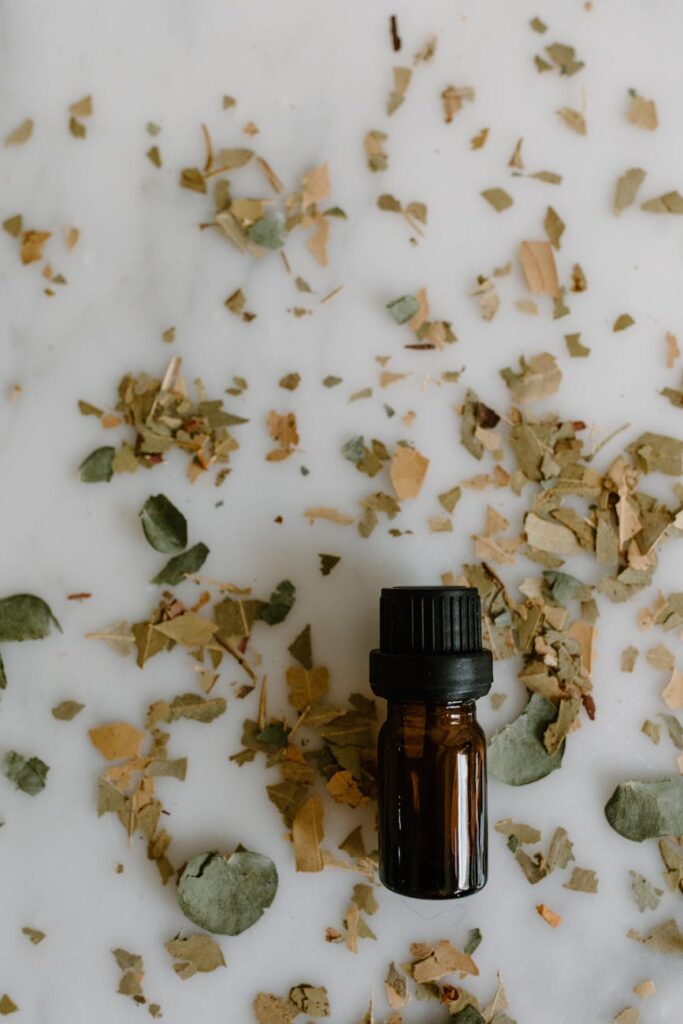
Eucalyptus oil should be stored in a dark glass bottle to protect it from light exposure, which can degrade its quality over time. Ensure that the bottle is tightly sealed to prevent oxidation.
Temperature
Store eucalyptus oil in a cool, dry place, away from direct sunlight and heat sources. High temperatures can cause the oil to degrade, reducing its effectiveness.
Shelf Life
When stored correctly, eucalyptus oil can have a shelf life of about 3-5 years. However, it is advisable to check for any changes in color, scent, or consistency before use, as these may indicate that the oil has gone rancid.
Frequently Asked Questions
1. Can eucalyptus oil be used for pets?
While eucalyptus oil has various benefits, it can be toxic to certain pets, particularly cats and dogs. It is advisable to consult a veterinarian before using eucalyptus oil around animals.
2. Is eucalyptus oil safe for children?
Eucalyptus oil should be used with caution around children. It is best to consult a healthcare professional before using it with young children, as their delicate skin may be more susceptible to irritation.
3. How can I incorporate eucalyptus oil into my daily routine?
Eucalyptus oil can be added to cleaning products, diffused in your home, or included in personal care routines. Consider your preferences and the benefits you wish to achieve when integrating it into your daily activities.
4. Can eucalyptus oil help with headaches?
While eucalyptus oil is often used for its invigorating scent, individual responses may vary. Some people find relief from headaches when inhaling eucalyptus oil, but it is not a guaranteed solution.
5. How do I know if my eucalyptus oil is pure?
To ensure you are using pure eucalyptus oil, look for oils that are labeled as 100% pure essential oil, free from additives or synthetic ingredients. Sourcing from reputable brands can also help ensure quality.
Conclusion
Eucalyptus oil is a versatile essential oil with a rich history and numerous applications. From its antimicrobial properties to its invigorating aroma, eucalyptus oil can enhance various aspects of daily life. As you explore its many uses, always prioritize safety and consult reliable sources to maximize its benefits. In the next part of this guide, we will delve deeper into specific applications, recipes, and blends involving eucalyptus oil, expanding your understanding of this remarkable oil.