
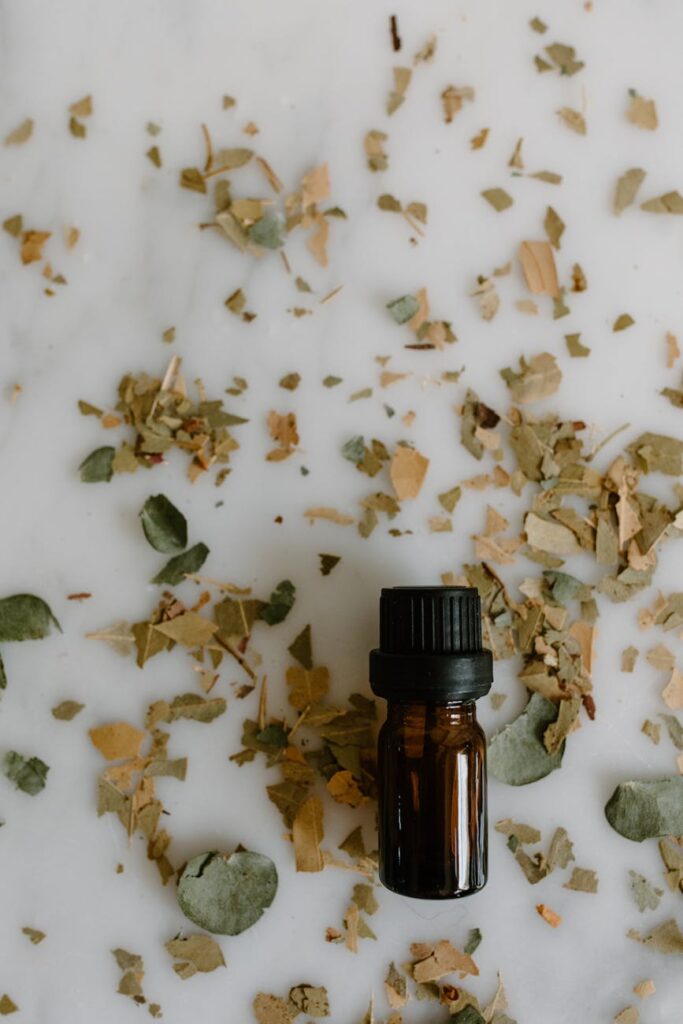
Complete Guide to Eucalyptus Oil Part 11
Introduction
Eucalyptus oil has gained significant attention in the world of essential oils and aromatherapy. Known for its refreshing scent and numerous beneficial properties, this essential oil is derived from the leaves of the eucalyptus tree, primarily the species Eucalyptus globulus. This comprehensive guide will explore the various aspects of eucalyptus oil, including its properties, applications, and safety considerations.
What Is Eucalyptus Oil?
Eucalyptus oil is a potent essential oil extracted from the leaves of the eucalyptus tree. The oil is typically obtained through steam distillation, a method that preserves the oil’s natural properties. Eucalyptus trees are native to Australia, but they have been cultivated in various regions around the world due to their adaptability and the oil’s versatility.
The primary chemical components of eucalyptus oil include eucalyptol (also known as 1,8-cineole), which is responsible for its distinctive aroma and many of its therapeutic properties. Other constituents include alpha-pinene, limonene, and various monoterpenes that contribute to its unique profile.
Key Benefits and Properties
Eucalyptus oil is celebrated for its wide range of benefits and properties, making it a popular choice in both aromatherapy and personal care products.
Respiratory Support
One of the most well-known benefits of eucalyptus oil is its ability to support respiratory health. The oil’s expectorant properties help clear mucus, making it easier to breathe. This characteristic has made it a common ingredient in many over-the-counter cough and cold remedies.
Antimicrobial Properties
Eucalyptus oil has demonstrated antimicrobial activity against various bacteria and fungi. This makes it useful for cleaning and disinfecting purposes, as well as in formulations aimed at supporting skin health.
Analgesic Effects
The oil may also possess analgesic properties, making it beneficial for soothing minor aches and discomfort. Its cooling effect can provide relief when applied topically, though it should always be diluted.
Mood Enhancement
The aromatic profile of eucalyptus oil is uplifting and invigorating. In aromatherapy, it is frequently used to enhance mood, relieve stress, and promote mental clarity.
Common Uses
Eucalyptus oil can be employed in various ways, thanks to its versatile nature. Below are some of the most common uses:
Diffusion
Diffusing eucalyptus oil in a room can create a refreshing atmosphere. It is especially popular during cold and flu season, as it can promote easier breathing.
Topical Applications
When diluted in a carrier oil, eucalyptus oil can be applied to the skin for localized relief from muscle tension and discomfort. It is often used in massage oils and balms.
Household Cleaning
Due to its antimicrobial properties, eucalyptus oil is an effective natural cleaner. It can be added to homemade cleaning solutions for added disinfectant qualities and a fresh scent.
Personal Care Products
Eucalyptus oil is commonly found in soaps, shampoos, and lotions. Its invigorating aroma and antibacterial properties make it a valuable ingredient in personal care formulations.
Aromatherapy Applications
In the realm of aromatherapy, eucalyptus oil is often utilized for its ability to promote relaxation, clarity, and respiratory support. Here are some common ways to incorporate eucalyptus oil into your aromatherapy practices:
Inhalation
Inhaling eucalyptus oil can be done directly from the bottle or by adding a few drops to a bowl of hot water. This method allows the oil’s properties to be absorbed through the respiratory system, providing immediate effects.
Massage
When mixed with a carrier oil, eucalyptus oil can be used in massage therapy to target specific areas of pain or tension. The cooling sensation can enhance the overall experience of relaxation.
Bathing
Adding eucalyptus oil to bath water can create a soothing and invigorating bathing experience. The steam from the hot water helps to diffuse the oil, enhancing its therapeutic effects.
Meditation
Incorporating eucalyptus oil into meditation practices can assist in creating a calming environment. Its refreshing scent can help clear the mind and enhance focus.
Safety Considerations
While eucalyptus oil is generally considered safe for most individuals when used appropriately, there are several important safety considerations to keep in mind:
Dilution
Eucalyptus oil should always be diluted before topical application. A common recommendation is to mix 1-2 drops of eucalyptus oil with a carrier oil, such as jojoba or coconut oil, to minimize the risk of skin irritation.
Pregnancy and Nursing
Pregnant or nursing individuals should consult with a healthcare provider before using eucalyptus oil, as its effects during these periods are not thoroughly studied.
Children
Eucalyptus oil is not recommended for children under the age of two, as their skin is more sensitive and they may be more prone to adverse reactions.
Allergies
Individuals with allergies to eucalyptus or related plants should avoid using eucalyptus oil. A patch test is advisable for those trying the oil for the first time.
Ingestion
Eucalyptus oil should not be ingested unless under the guidance of a qualified healthcare professional. Ingesting the oil can lead to toxicity.
Storage and Shelf Life
To maintain the quality and efficacy of eucalyptus oil, proper storage is essential. Here are some tips:
Storage Conditions
Store eucalyptus oil in a cool, dark place away from direct sunlight and heat sources. This will help preserve its chemical integrity and prevent degradation.
Container
Keep eucalyptus oil in a tightly sealed glass bottle, as plastic can interact with the oil over time. Amber or cobalt blue bottles are ideal for protecting the oil from light exposure.
Shelf Life
When stored properly, eucalyptus oil generally has a shelf life of 1 to 3 years. Regularly check the oil for any changes in aroma, color, or consistency, which may indicate that it has gone bad.
Frequently Asked Questions
1. Can eucalyptus oil be used for headaches?
Eucalyptus oil is often used in aromatherapy for its refreshing scent, which may help alleviate tension headaches. However, individual responses vary, and it is not a substitute for medical treatment.
2. Is eucalyptus oil safe for pets?
While some essential oils can be harmful to pets, eucalyptus oil should be used with caution around animals. Always consult a veterinarian before using essential oils in a home with pets.
3. How can I use eucalyptus oil in a diffuser?
To use eucalyptus oil in a diffuser, simply add a few drops of the oil to the water reservoir, following the manufacturer’s instructions for your specific diffuser model.
4. Can eucalyptus oil be mixed with other essential oils?
Yes, eucalyptus oil blends well with a variety of other essential oils, such as lavender, peppermint, and tea tree oil. These combinations can enhance the aroma and therapeutic effects.
5. Is eucalyptus oil effective for sinus issues?
Many people use eucalyptus oil to alleviate sinus congestion due to its decongestant properties. Inhaling the vapor can help clear nasal passages, but results may vary.
Conclusion
Eucalyptus oil is a versatile and valuable essential oil with a wide range of benefits and applications. From its refreshing aroma to its antimicrobial properties, it can enhance various aspects of daily living. However, as with all essential oils, it is important to use eucalyptus oil responsibly and to be aware of safety considerations. With proper knowledge and care, eucalyptus oil can be a beneficial addition to your essential oil collection.