
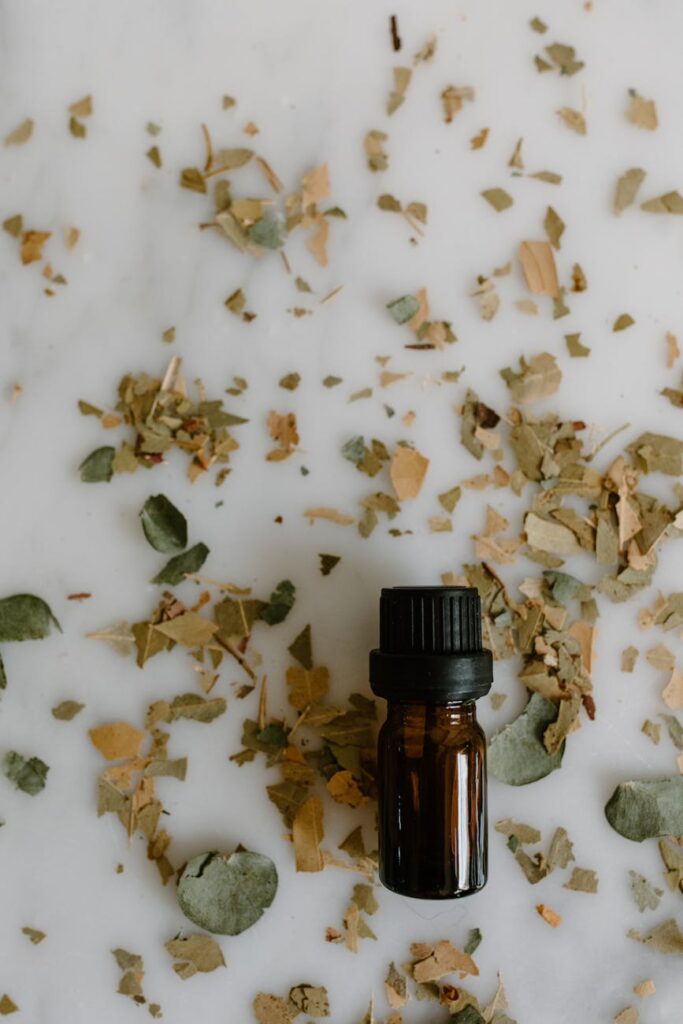
Complete Guide to Eucalyptus Oil Part 12
Introduction
Eucalyptus oil has gained significant popularity in recent years, not only for its invigorating aroma but also for its versatile applications. Extracted from the leaves of eucalyptus trees, primarily those belonging to the genus Eucalyptus, this essential oil has a rich history of use in various cultures. In this guide, we will explore the origins, benefits, uses, and safety considerations surrounding eucalyptus oil, providing a comprehensive resource for enthusiasts and practitioners alike.
What Is Eucalyptus Oil?
Eucalyptus oil is an essential oil derived from the leaves of eucalyptus trees, which are native to Australia but are now cultivated in many parts of the world. The oil is extracted through steam distillation, a process that captures the volatile compounds responsible for its characteristic scent. Eucalyptus oil is known for its fresh, camphoraceous aroma, which can vary in intensity depending on the specific species of eucalyptus used.
There are over 700 species of eucalyptus, with Eucalyptus globulus (commonly known as the blue gum tree) being the most widely used for oil extraction. Other notable species include Eucalyptus radiata, Eucalyptus citriodora, and Eucalyptus dives, each offering unique properties and scents.
Key Benefits and Properties
Eucalyptus oil is renowned for its diverse range of benefits and properties, which include:
1. Respiratory Support
Eucalyptus oil is commonly associated with respiratory health. Its active components, particularly eucalyptol (also known as 1,8-cineole), may contribute to its ability to promote clear breathing. This property makes it a popular choice in products aimed at alleviating congestion.
2. Antimicrobial Activity
Research suggests that eucalyptus oil possesses antimicrobial properties, making it effective against certain bacteria and fungi. This characteristic has led to its inclusion in various cleaning products and natural remedies.
3. Anti-Inflammatory Effects
Some studies indicate that eucalyptus oil may have anti-inflammatory effects, potentially helping to soothe irritation and discomfort in the body. This property can be beneficial in topical applications.
4. Pain Relief
Eucalyptus oil is often used in topical applications to relieve muscle and joint pain. Its cooling sensation may provide temporary relief, making it popular in massage oils and ointments.
5. Mood Enhancement
The invigorating scent of eucalyptus oil may have mood-enhancing properties. Its fresh aroma is often used in aromatherapy to promote feelings of clarity and mental focus.
Common Uses
Eucalyptus oil is incredibly versatile, finding applications in various settings, including:
1. Aromatherapy
Eucalyptus oil is frequently used in diffusers and oil burners to create a refreshing atmosphere. Its uplifting aroma can help to invigorate the senses and promote mental clarity.
2. Topical Applications
Due to its potential anti-inflammatory and analgesic properties, eucalyptus oil is often included in muscle rubs, creams, and balms aimed at relieving soreness and tension.
3. Cleaning Products
The antimicrobial properties of eucalyptus oil make it a popular addition to natural cleaning products. It can be used to disinfect surfaces, freshen laundry, and eliminate odors.
4. Insect Repellent
Eucalyptus oil is known for its insect-repelling properties. It can be blended with carrier oils and used as a natural solution to deter mosquitoes and other pests.
5. Bath Products
Incorporating eucalyptus oil into bath products, such as bath salts and shower gels, can provide a refreshing and rejuvenating experience. Its scent can help to clear the mind and relax the body.
Aromatherapy Applications
Eucalyptus oil plays a significant role in aromatherapy, where it is utilized to enhance emotional and physical well-being. Here are some common methods of application:
1. Diffusion
One of the most popular ways to enjoy eucalyptus oil is through diffusion. Adding a few drops to a diffuser can fill a room with its fresh scent, promoting relaxation and mental clarity.
2. Inhalation
Inhalation is another effective method, particularly for respiratory support. A few drops of eucalyptus oil can be added to a bowl of hot water for steam inhalation, helping to clear nasal passages.
3. Massage
When blended with a carrier oil, eucalyptus oil can be incorporated into massage therapies. Its cooling sensation may provide relief to sore muscles and joints while promoting relaxation.
4. Bathing
Adding eucalyptus oil to bathwater can enhance the bathing experience, creating an aromatic and soothing environment. This method can also aid in relaxation and stress relief.
Safety Considerations
While eucalyptus oil is generally regarded as safe when used appropriately, there are several safety considerations to keep in mind:
1. Dilution
Eucalyptus oil should always be diluted with a carrier oil before applying it to the skin. This practice helps to minimize the risk of irritation and sensitization.
2. Allergic Reactions
As with any essential oil, some individuals may experience allergic reactions or skin irritation. It is advisable to perform a patch test before using eucalyptus oil topically.
3. Ingestion
Eucalyptus oil is not intended for internal use and should not be ingested without the guidance of a qualified professional.
4. Pregnant and Nursing Women
Pregnant and nursing women should consult a healthcare provider before using eucalyptus oil, as certain essential oils may not be suitable during these periods.
5. Children
Eucalyptus oil should be used with caution around children. It is recommended to consult a healthcare provider for guidance on safe use in pediatric populations.
Storage and Shelf Life
To maintain the quality and efficacy of eucalyptus oil, proper storage is essential. Here are some tips:
1. Dark Glass Bottles
Eucalyptus oil should be stored in dark glass bottles to protect it from light, which can degrade its quality over time.
2. Cool, Dry Place
Keep eucalyptus oil in a cool, dry place away from direct sunlight and heat sources. Avoid storing it in areas with high humidity, such as bathrooms.
3. Shelf Life
When stored correctly, eucalyptus oil typically has a shelf life of about 3 to 5 years. However, it’s important to check for any changes in color, scent, or consistency before use.
Frequently Asked Questions
1. Can eucalyptus oil be used in cooking?
Eucalyptus oil is not recommended for culinary use. Its strong flavor may not be suitable for food consumption, and ingestion can lead to adverse effects.
2. Is eucalyptus oil safe for pets?
Eucalyptus oil can be toxic to certain animals, particularly cats and dogs. It is advisable to consult a veterinarian before using eucalyptus oil around pets.
3. Can eucalyptus oil help with headaches?
While some individuals report relief from headaches when using eucalyptus oil in aromatherapy or topical applications, results may vary. It is not a substitute for medical treatment.
4. How can I incorporate eucalyptus oil into my skincare routine?
Eucalyptus oil can be added to skincare formulations for its potential benefits. Always ensure it is diluted and perform a patch test before full application.
5. Where can I buy high-quality eucalyptus oil?
High-quality eucalyptus oil can be purchased from reputable health stores, pharmacies, or online retailers that specialize in essential oils. Look for certified organic options and ensure proper labeling.
Conclusion
Eucalyptus oil is a remarkable essential oil with a variety of applications, from aromatherapy to cleaning products. Its refreshing aroma and potential benefits make it a valuable addition to any wellness routine. By understanding its properties, uses, and safety considerations, individuals can harness the power of eucalyptus oil effectively and responsibly. As with all essential oils, it is essential to approach its use with mindfulness and respect for its potent nature.