
Complete Guide to Eucalyptus Oil Part 14
Introduction
Eucalyptus oil, derived from the leaves of the eucalyptus tree, has gained significant attention for its diverse applications and distinctive aroma. Renowned for its refreshing scent and medicinal properties, this essential oil has been utilized for centuries across various cultures. This guide aims to provide an in-depth understanding of eucalyptus oil, exploring its benefits, uses, and safety considerations.
What Is Eucalyptus Oil?
Eucalyptus oil is an essential oil extracted from the leaves of the eucalyptus tree, primarily the species Eucalyptus globulus, although there are several other species from which the oil can be derived. The extraction process typically involves steam distillation, which captures the volatile compounds present in the leaves. The resulting oil is characterized by its clear to pale yellow color and a strong, fresh, camphoraceous scent.
Eucalyptus trees are native to Australia, but they have been cultivated in various parts of the world due to their adaptability and fast growth. The oil is rich in compounds such as eucalyptol (1,8-cineole), which contributes to its therapeutic properties and distinctive aroma.
Key Benefits and Properties
Eucalyptus oil is celebrated for its numerous benefits and properties, making it a popular choice in both aromatherapy and household applications. Some of the key benefits include:
1. Respiratory Support: Eucalyptus oil is often associated with respiratory health. Its active component, eucalyptol, is known for its ability to support clear airways and may be helpful in easing the discomfort associated with respiratory issues.
2. Antimicrobial Properties: Studies have shown that eucalyptus oil possesses antimicrobial properties, which may help in inhibiting the growth of certain bacteria and fungi.
3. Anti-inflammatory Effects: Eucalyptus oil may have anti-inflammatory properties, making it potentially useful in alleviating minor aches and pains.
4. Mental Clarity and Focus: The invigorating scent of eucalyptus oil is believed to support mental clarity and concentration, making it a popular choice for use in workspaces or study areas.
5. Insect Repellent: Eucalyptus oil can act as a natural insect repellent, making it an effective alternative to chemical-based repellents.
Common Uses
Eucalyptus oil is versatile and can be used in various ways, including:
- Aromatherapy: As a popular choice for diffusers, eucalyptus oil can enhance the ambiance of a space while providing potential respiratory benefits.
- Topical Application: When diluted with a carrier oil, eucalyptus oil can be applied to the skin for localized relief from minor aches, pains, or insect bites.
- Household Cleaner: Due to its antimicrobial properties, eucalyptus oil can be added to homemade cleaning solutions for a fresh scent and disinfecting effect.
- Bath Additive: A few drops of eucalyptus oil can be added to bathwater to create a soothing and aromatic experience.
Aromatherapy Applications
In aromatherapy, eucalyptus oil is often used for its therapeutic properties and invigorating scent. Here are some popular applications:
Diffusion
Using an essential oil diffuser, eucalyptus oil can be dispersed into the air, creating a refreshing environment. This method is particularly beneficial in shared spaces or during times of seasonal discomfort.
Inhalation
Inhaling eucalyptus oil can be a direct way to experience its benefits. A few drops can be added to a bowl of hot water for steam inhalation, promoting a sense of clarity and respiratory comfort.
Massage
When blended with a carrier oil, eucalyptus oil can be used in massage therapy. Its potential anti-inflammatory properties may help to soothe sore muscles and promote relaxation.
Bathing
Adding eucalyptus oil to a warm bath can create a therapeutic experience. The steam from the hot water, combined with the oil, may enhance relaxation and contribute to overall well-being.
Safety Considerations
While eucalyptus oil is generally regarded as safe when used appropriately, it is essential to consider the following safety guidelines:
1. Dilution: Eucalyptus oil should always be diluted with a carrier oil before topical application to prevent skin irritation.
2. Patch Test: It is advisable to conduct a patch test on a small area of skin before using eucalyptus oil more broadly.
3. Pregnancy and Nursing: Pregnant or nursing individuals should consult with a healthcare professional before using eucalyptus oil.
4. Children and Pets: Caution should be exercised when using eucalyptus oil around children and pets, as it may cause adverse reactions.
5. Consultation: If you have any pre-existing health conditions or are taking medications, it is wise to consult with a healthcare professional prior to using eucalyptus oil.
Storage and Shelf Life
To maintain the quality and efficacy of eucalyptus oil, proper storage is crucial. Here are some tips for optimal storage:
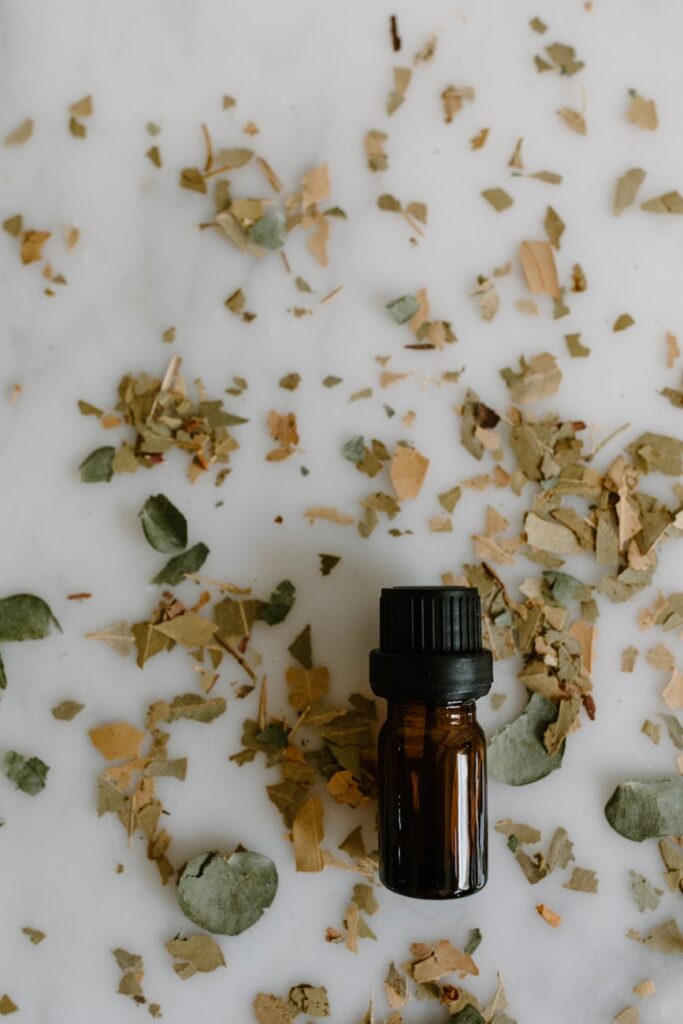
1. Dark Glass Bottles: Essential oils should be stored in dark glass bottles to protect them from light exposure, which can degrade the oil.
2. Cool, Dry Place: Eucalyptus oil should be kept in a cool, dry environment, away from direct sunlight and heat sources.
3. Seal Tightly: Ensure that the bottle is sealed tightly after each use to prevent oxidation and contamination.
4. Shelf Life: Eucalyptus oil typically has a shelf life of 3 to 4 years when stored properly. However, always check for any changes in smell, color, or consistency before use.
Frequently Asked Questions
1. Can eucalyptus oil be ingested?
Ingesting eucalyptus oil is not recommended unless under the guidance of a qualified healthcare professional, as it may cause adverse effects.
2. Is eucalyptus oil safe for children?
Eucalyptus oil should be used with caution around children. It is advisable to consult with a healthcare professional for appropriate usage.
3. What are the best ways to use eucalyptus oil?
Eucalyptus oil can be used in various ways, including diffusion, inhalation, topical application (when diluted), and as an additive in baths or cleaning products.
4. Can eucalyptus oil be used in homemade cleaning products?
Yes, eucalyptus oil can be included in homemade cleaning solutions due to its antimicrobial properties, adding a refreshing scent to the mixture.
5. How do I choose a quality eucalyptus oil?
When selecting eucalyptus oil, look for products that are 100% pure, free from synthetic additives, and preferably packaged in dark glass bottles to ensure quality and longevity.
Conclusion
Eucalyptus oil is a multifaceted essential oil with a rich history of use in various applications. From its invigorating scent to its potential therapeutic benefits, it serves as a valuable addition to aromatherapy practices, household cleaning, and personal care routines. By understanding its properties, uses, and safety considerations, individuals can harness the benefits of eucalyptus oil responsibly and effectively. Whether exploring its use in a diffuser or incorporating it into a massage blend, eucalyptus oil remains a timeless and essential oil for many.