
Complete Guide to Eucalyptus Oil Part 3
Introduction
Eucalyptus oil, derived from the leaves of the eucalyptus tree, has long been celebrated for its therapeutic properties and diverse applications. This guide delves deeper into the multifaceted uses of eucalyptus oil, offering insights into its benefits, safety considerations, and practical applications in aromatherapy and everyday life.
What Is Eucalyptus Oil?
Eucalyptus oil is an essential oil extracted primarily from the leaves of the eucalyptus tree, particularly from the species Eucalyptus globulus, commonly known as the blue gum tree. This oil is obtained through a process called steam distillation, where steam is passed through the plant material, causing the essential oil to evaporate and subsequently condense.
The oil has a fresh, camphoraceous aroma, which is often associated with respiratory relief and cleanliness. Eucalyptus trees are native to Australia but have been cultivated in various parts of the world due to their adaptability and rapid growth.
Key Benefits and Properties
Eucalyptus oil is known for its numerous beneficial properties, making it a popular choice in both personal care products and holistic practices. Some of its key benefits include:
Antimicrobial Properties
Eucalyptus oil has demonstrated antimicrobial activity against a range of pathogens, including bacteria and fungi. Its constituents, such as eucalyptol (1,8-cineole), are believed to be responsible for these effects, making it a common ingredient in natural disinfectants and topical applications.
Respiratory Support
One of the most well-known benefits of eucalyptus oil is its ability to support the respiratory system. The oil is often used in steam inhalation or diffused in the air to help clear nasal passages and ease breathing.
Anti-Inflammatory Effects
Research suggests that eucalyptus oil may exhibit anti-inflammatory properties, which can be beneficial for conditions such as muscle strains and joint pain. It is often found in topical ointments and balms designed for muscle relief.
Insect Repellent
Eucalyptus oil is also known as a natural insect repellent. Its strong aroma can deter mosquitoes and other pests, making it a popular choice for natural outdoor sprays.
Mood Enhancer
The invigorating scent of eucalyptus oil can enhance mood and mental clarity. Its use in aromatherapy has been associated with stress relief and improved cognitive function.
Common Uses
Eucalyptus oil has a wide range of applications across various domains, including:
Personal Care Products
Eucalyptus oil is frequently incorporated into personal care products such as soaps, shampoos, and lotions due to its refreshing aroma and beneficial properties. It can help cleanse the skin and promote a fresh scent.
Household Cleaners
Many eco-friendly cleaning products contain eucalyptus oil for its antimicrobial properties. It can be used in homemade cleaners, providing a natural alternative to chemical-laden options.
Aromatherapy
In aromatherapy, eucalyptus oil is commonly diffused or used in massage oils to promote relaxation and mental clarity. It is often combined with other essential oils to create synergistic blends.
Bath Products
Eucalyptus oil can be added to bath products, such as bath bombs or salts, to create an invigorating and soothing bathing experience.
Inhalants
Eucalyptus oil is often used in steam inhalation therapies, where the oil is added to hot water to create steam that can help clear sinuses and provide respiratory relief.
Aromatherapy Applications
The use of eucalyptus oil in aromatherapy is diverse, owing to its distinct aroma and therapeutic properties. Its applications include:
Diffusion
Diffusing eucalyptus oil in a room can help purify the air, reduce airborne pathogens, and create a refreshing environment. This is particularly beneficial during cold and flu seasons.
Inhalation
For respiratory support, eucalyptus oil can be inhaled directly or through steam inhalation. Adding a few drops to a bowl of hot water and inhaling the steam can help clear congestion.
Massage
When diluted with a carrier oil, eucalyptus oil can be used in massage to relieve muscle tension and promote relaxation. It is often combined with other essential oils for enhanced effects.
Bathing
Incorporating eucalyptus oil into bathwater can create an invigorating and soothing experience. It can awaken the senses and provide a calming atmosphere.
Blending with Other Oils
Eucalyptus oil blends well with various essential oils, including lavender, tea tree, and peppermint. These combinations can enhance the aromatic experience and therapeutic benefits.
Safety Considerations
While eucalyptus oil is generally considered safe when used appropriately, it is essential to follow certain precautions:
Dilution
Eucalyptus oil should always be diluted in a carrier oil (such as coconut, jojoba, or almond oil) before applying it to the skin. This helps prevent skin irritation or allergic reactions.
Sensitivity Testing
Before using eucalyptus oil, it is advisable to perform a patch test to check for any adverse reactions. Apply a small amount of diluted oil to a discreet area and monitor for any signs of irritation.
Not for Internal Use
Eucalyptus oil is not intended for internal consumption unless under the guidance of a qualified healthcare professional. Ingesting essential oils can lead to serious health complications.
Avoiding Certain Populations
Pregnant or breastfeeding individuals, as well as young children, should exercise caution when using eucalyptus oil. It is advisable to consult a healthcare provider or aromatherapist for guidance specific to these populations.
Storage
Eucalyptus oil should be stored in a cool, dark place, away from direct sunlight to maintain its potency and prevent degradation.
Storage and Shelf Life
Proper storage of eucalyptus oil is crucial to ensure its longevity and effectiveness.
Ideal Conditions
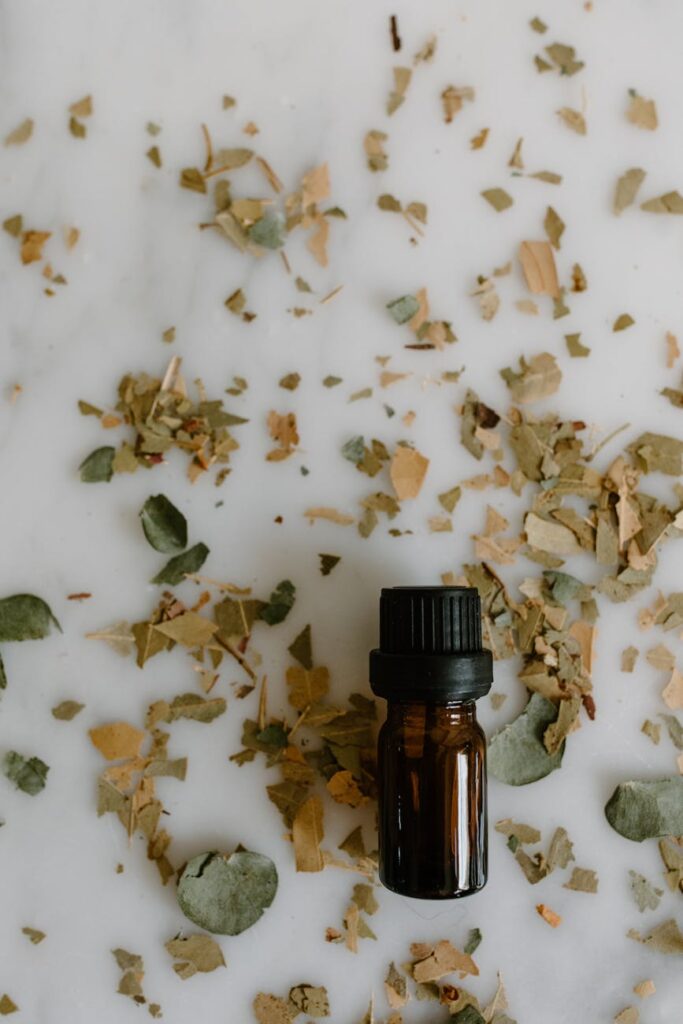
- Container: Eucalyptus oil should be stored in a dark glass bottle, as light can degrade the oil over time.
- Temperature: Keep the bottle in a cool, dry place, away from heat sources and direct sunlight.
Shelf Life
When stored correctly, eucalyptus oil typically has a shelf life of 3 to 5 years. However, it is essential to check for any changes in aroma, color, or viscosity, as these may indicate that the oil has spoiled. Discard any oil that appears cloudy or has an off-putting smell.
Frequently Asked Questions
1. Can eucalyptus oil be used for cooking?
Eucalyptus oil is not recommended for culinary use, as it can be toxic if ingested in large quantities. It is primarily used for therapeutic and aromatic applications.
2. Is eucalyptus oil safe for children?
Eucalyptus oil should be used cautiously around children. It is advisable to avoid using it on children under the age of two and to consult a healthcare professional for guidance regarding older children.
3. How can I incorporate eucalyptus oil into my self-care routine?
Eucalyptus oil can be added to bath products, used in steam inhalation, or blended with a carrier oil for massages. Incorporating it into your routine can promote relaxation and enhance your overall well-being.
4. What are the best essential oils to blend with eucalyptus oil?
Eucalyptus oil blends well with several essential oils, including lavender, tea tree, lemon, and peppermint. These combinations can create a balanced and effective aromatherapy experience.
5. Can I use eucalyptus oil if I have allergies?
Individuals with allergies or sensitivities should exercise caution when using eucalyptus oil. It is advisable to consult a healthcare professional before use, especially if you have a history of respiratory issues or allergies.
Conclusion
Eucalyptus oil is a versatile essential oil with a range of applications and benefits. From personal care products to aromatherapy and household cleaning, its unique properties make it a valuable addition to any holistic lifestyle. By understanding its uses, benefits, and safety precautions, individuals can harness the power of eucalyptus oil to enhance their well-being and environment. Always remember to approach any use of essential oils with mindfulness and care, ensuring that they fit within your personal health and wellness practices.