
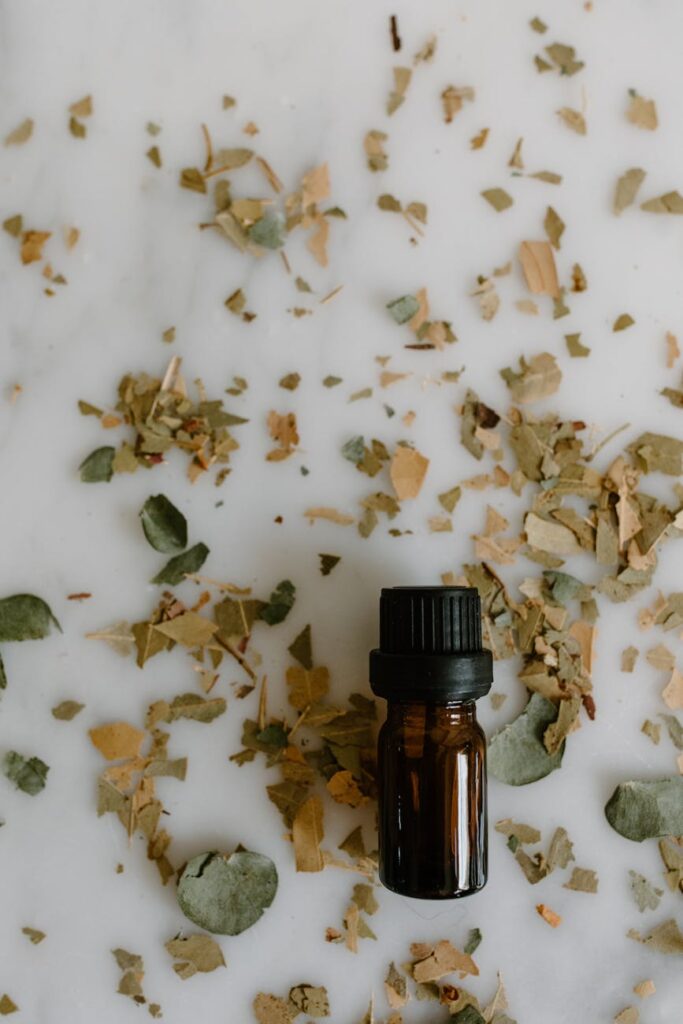
Complete Guide to Eucalyptus Oil Part 5
Introduction
Eucalyptus oil, derived from the leaves of the eucalyptus tree, has been utilized for centuries across various cultures for its numerous benefits and versatile applications. This guide aims to explore the origins, properties, uses, and safety considerations associated with eucalyptus oil, offering a comprehensive understanding of this remarkable essential oil.
What Is Eucalyptus Oil?
Eucalyptus oil is an essential oil extracted from the leaves of eucalyptus trees, primarily the species Eucalyptus globulus. Known for its distinct, fresh, and invigorating aroma, eucalyptus oil is popularly used in aromatherapy, personal care products, and household items. The oil is extracted through a process known as steam distillation, which preserves the beneficial compounds found in the leaves.
Eucalyptus trees are native to Australia, but they have been cultivated worldwide due to their adaptability and numerous uses. The oil contains several bioactive compounds, including eucalyptol (also known as cineole), which is responsible for many of its characteristic properties.
Key Benefits and Properties
Eucalyptus oil is celebrated for its diverse range of properties:
1. Antimicrobial
Eucalyptus oil has demonstrated antimicrobial properties, making it effective against various strains of bacteria and fungi. This characteristic has made it a popular addition to disinfectants and antiseptic products.
2. Respiratory Support
The oil is commonly associated with respiratory health, as its inhalation can help clear airways and promote easier breathing. This is largely attributed to its primary component, eucalyptol, which can have a soothing effect on the respiratory system.
3. Anti-inflammatory
Eucalyptus oil may possess anti-inflammatory properties, providing relief from discomfort associated with minor aches and pains. Its application in topical formulations can offer a cooling sensation that many find soothing.
4. Insect Repellent
Eucalyptus oil has been found to be effective as a natural insect repellent, making it a popular choice for outdoor activities. It can help deter mosquitoes and other pests without the use of synthetic chemicals.
5. Mood Enhancement
The refreshing aroma of eucalyptus oil is known to uplift mood and promote mental clarity. It is often used in relaxation practices to create an invigorating atmosphere.
Common Uses
Eucalyptus oil’s versatility allows it to be utilized in various applications:
1. Aromatherapy
Eucalyptus oil is widely used in aromatherapy to create a calming and refreshing environment. Diffusing the oil can help improve mood and may assist in relieving stress and anxiety.
2. Personal Care Products
The oil can be found in a range of personal care products, including shampoos, lotions, and soaps, thanks to its antiseptic properties and pleasant scent.
3. Household Cleaning
Due to its antimicrobial properties, eucalyptus oil is an effective ingredient in natural cleaning products. It can be added to homemade cleaners to enhance their disinfectant capabilities.
4. Massage Oils
Eucalyptus oil is often combined with carrier oils for use in massage therapy. Its cooling effect can provide relief and relaxation during treatments.
5. Natural Remedies
While not intended as a medical treatment, eucalyptus oil is sometimes used in home remedies to alleviate symptoms related to colds, congestion, and muscle tension.
Aromatherapy Applications
Eucalyptus oil is a favored choice in aromatherapy for its uplifting and refreshing qualities. Here are a few ways to incorporate it into your practice:
1. Diffusion
Adding a few drops of eucalyptus oil to a diffuser can create a revitalizing atmosphere. This method is particularly beneficial during cold seasons or when symptoms of congestion arise.
2. Inhalation
For a quick mood boost or respiratory support, inhaling eucalyptus oil directly from the bottle or mixing it with hot water for steam inhalation can be effective. Be cautious to keep a safe distance to avoid irritation.
3. Blending
Eucalyptus oil blends well with other essential oils, such as lavender, peppermint, and tea tree oil. Creating custom blends can enhance the experience and target specific needs.
4. Bathing
Adding eucalyptus oil to a warm bath can provide a soothing and aromatic experience. It is advisable to mix the oil with a carrier oil or an emulsifier, such as milk, to enhance its dispersibility in water.
Safety Considerations
While eucalyptus oil is generally considered safe for use, certain precautions should be taken:
1. Skin Sensitivity
Before applying eucalyptus oil topically, it is recommended to conduct a patch test to check for any adverse reactions. Diluting the oil with a carrier oil can minimize the risk of irritation.
2. Not for Ingestion
Eucalyptus oil should not be ingested, as it can be toxic in large quantities. It is intended for external use and aromatic applications only.
3. Pregnancy and Children
Pregnant individuals and young children should consult a healthcare professional before using eucalyptus oil. Some essential oils can pose risks during pregnancy or may not be suitable for young children.
4. Pre-existing Conditions
Individuals with respiratory conditions, such as asthma, should exercise caution when using eucalyptus oil, as inhalation may trigger symptoms in some cases.
Storage and Shelf Life
To maintain the quality of eucalyptus oil, proper storage is essential:
1. Storage Conditions
Eucalyptus oil should be stored in a cool, dark place away from direct sunlight and heat sources. A tightly sealed, dark glass bottle is the best option for preserving its properties.
2. Shelf Life
When stored correctly, eucalyptus oil can last for approximately 3 to 5 years. However, it is advisable to check for any changes in color, consistency, or aroma before use, as these may indicate degradation.
Frequently Asked Questions
1. Can eucalyptus oil be used in a humidifier?
While eucalyptus oil can be used in some humidifiers, it is important to check the manufacturer’s guidelines. Some devices are not designed for essential oils and may be damaged by their use.
2. Is eucalyptus oil safe for pets?
Eucalyptus oil can be toxic to some pets, particularly cats and dogs. Always consult a veterinarian before using essential oils around animals.
3. Can eucalyptus oil help with headaches?
Eucalyptus oil is often used in aromatherapy for headaches due to its refreshing scent. However, individual responses may vary, and it is not a substitute for medical treatment.
4. How can I tell if I have pure eucalyptus oil?
To ensure you have pure eucalyptus oil, look for products that are labeled as 100% pure essential oil, free from additives or synthetic fragrances. Reputable brands often provide information about sourcing and distillation processes.
5. Can I use eucalyptus oil in cooking?
Eucalyptus oil is not recommended for culinary uses due to its potential toxicity when ingested. It is primarily intended for external and aromatic applications.
Conclusion
Eucalyptus oil is a multifaceted essential oil with a rich history and a broad range of applications. From its antimicrobial properties to its uplifting aroma, eucalyptus oil offers numerous benefits that can enhance daily life. Understanding its uses, safety considerations, and proper storage methods will ensure that you can enjoy this remarkable oil responsibly and effectively. As with any essential oil, it is essential to approach its use with care and awareness, ensuring a safe and enriching experience.