
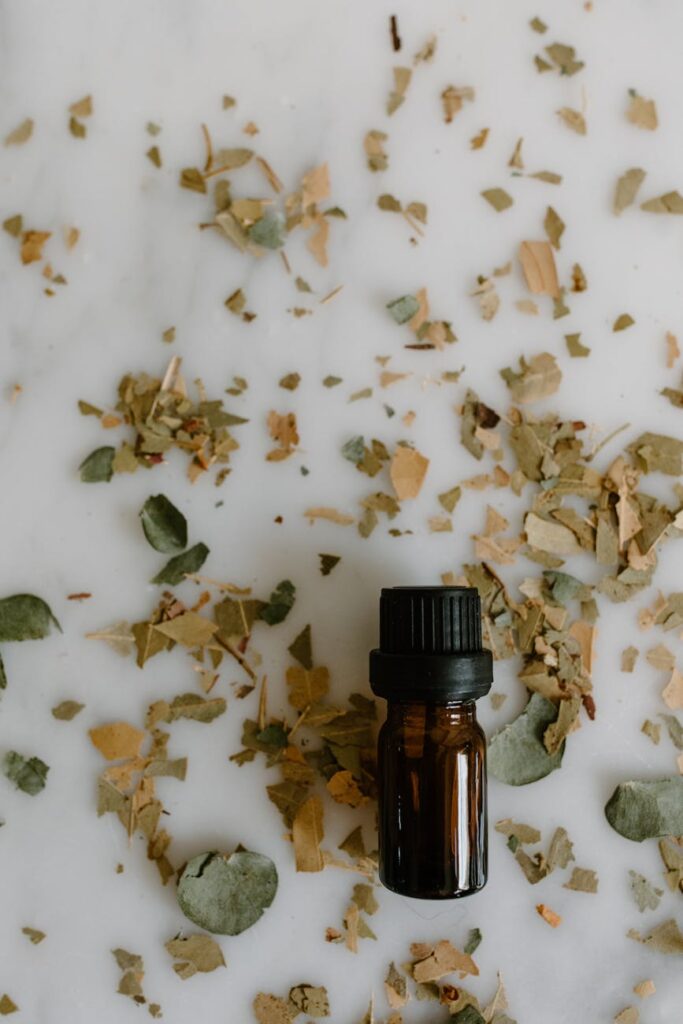
Complete Guide to Eucalyptus Oil Part 6
Introduction
Eucalyptus oil has gained considerable attention in the realms of wellness and natural remedies due to its distinct aroma and versatile properties. Extracted from the leaves of various species of eucalyptus trees, particularly Eucalyptus globulus, this essential oil is celebrated for its refreshing scent and numerous applications. In this comprehensive guide, we will explore the characteristics, benefits, uses, and safety considerations of eucalyptus oil, providing a well-rounded understanding of this remarkable botanical extract.
What Is Eucalyptus Oil?
Eucalyptus oil is a colorless or pale yellow essential oil derived from the leaves of eucalyptus trees, native to Australia and widely cultivated in various parts of the world. The extraction process typically involves steam distillation, which captures the volatile compounds responsible for the oil’s fragrance and therapeutic properties. Eucalyptus oil is primarily composed of eucalyptol (also known as 1,8-cineole), along with other constituents such as alpha-pinene, limonene, and globulol, each contributing to its unique profile.
The eucalyptus tree, a member of the Myrtaceae family, comprises over 700 species, but not all of them produce oil suitable for commercial use. Eucalyptus globulus is the most commonly used species for essential oil extraction due to its high eucalyptol content, which is known for its invigorating and refreshing aroma.
Key Benefits and Properties
Eucalyptus oil possesses a variety of beneficial properties, making it a valuable addition to any natural wellness toolkit. Some of the key benefits include:
1. Respiratory Support: Eucalyptus oil is renowned for its potential to support respiratory health. Its inhalation may help clear nasal passages and promote easier breathing, often making it a popular choice during seasonal changes.
2. Antimicrobial Properties: Research has demonstrated that eucalyptus oil exhibits antimicrobial activity against a range of bacteria and fungi, making it a common ingredient in natural cleaning products.
3. Anti-inflammatory Effects: The oil is believed to have anti-inflammatory properties, which may help in soothing minor skin irritations and promoting overall skin health.
4. Analgesic Qualities: Some studies suggest that eucalyptus oil may provide relief from minor aches and pains, making it a common choice for use in massage blends.
5. Mood Enhancement: The uplifting aroma of eucalyptus oil is often used in aromatherapy to enhance mood and promote feelings of calm and relaxation.
Common Uses
Eucalyptus oil is utilized in various applications across different areas of daily life, including:
- Aromatherapy: The oil is commonly diffused in homes and wellness centers to create a refreshing atmosphere and uplift spirits.
- Massage: Often blended with carrier oils, eucalyptus oil is used in massage therapy to relieve tension and promote relaxation.
- Household Cleaning: Due to its antimicrobial properties, eucalyptus oil is frequently incorporated into natural cleaning solutions to disinfect surfaces.
- Inhalation: Many people use eucalyptus oil in steam inhalation or vapor rubs to support respiratory wellness.
- Skin Care: Some formulations include eucalyptus oil for its potential skin-soothing properties, though it should always be diluted.
Aromatherapy Applications
In aromatherapy, eucalyptus oil is prized for its invigorating scent and potential therapeutic benefits. It can be used in various ways:
1. Diffusion: When added to a diffuser, eucalyptus oil can fill a room with its refreshing aroma, promoting a sense of clarity and alertness. It can be blended with other essential oils, such as lavender or peppermint, for a more complex scent.
2. Inhalation: Inhaling eucalyptus oil directly from the bottle or adding a few drops to a bowl of hot water can create a soothing steam inhalation experience. This method is often employed during times of seasonal discomfort.
3. Massage Blends: When combined with carrier oils, eucalyptus oil can enhance the benefits of massage by aiding in relaxation and easing muscle tension. A typical dilution ratio is 2-3% eucalyptus oil to carrier oil.
4. Baths: Adding eucalyptus oil to bathwater can create an invigorating and aromatic bathing experience. A few drops mixed with a carrier oil or bath salts can help disperse the oil and enhance its benefits.
Safety Considerations
While eucalyptus oil is widely regarded as safe when used properly, there are essential safety considerations to keep in mind:
1. Dilution: Eucalyptus oil should always be diluted with a carrier oil before topical application. This minimizes the risk of skin irritation or allergic reactions.
2. Allergic Reactions: Conduct a patch test prior to widespread use, particularly for those with sensitive skin or allergies. Discontinue use if irritation occurs.
3. Inhalation: Inhalation of eucalyptus oil should be done in moderation. Overexposure may lead to respiratory discomfort.
4. Pregnancy and Nursing: Pregnant or nursing individuals should consult with a healthcare provider before using eucalyptus oil, as its effects during these periods are not well-studied.
5. Children and Pets: Eucalyptus oil should be kept out of reach of children and pets. Its use around young children, particularly under the age of two, should be approached with caution, and consultation with a pediatrician is advisable.
Storage and Shelf Life
To preserve the potency and integrity of eucalyptus oil, proper storage is crucial. Here are some tips for storing eucalyptus oil effectively:
1. Cool, Dark Place: Store eucalyptus oil in a cool, dark location away from direct sunlight and heat sources. A cabinet or drawer is ideal.
2. Airtight Container: Keep the oil in its original dark glass bottle or transfer it to an amber or cobalt blue glass container to protect it from light exposure.
3. Seal Tightly: Ensure the bottle is tightly sealed after each use to minimize exposure to air, which can degrade the oil over time.
4. Shelf Life: When stored correctly, eucalyptus oil typically has a shelf life of 3 to 5 years. Always check for any changes in color, scent, or viscosity before use, as these may indicate that the oil has deteriorated.
Frequently Asked Questions
1. Can eucalyptus oil be ingested?
Eucalyptus oil is generally not recommended for ingestion unless under the supervision of a qualified healthcare professional. Ingesting essential oils can pose risks and should be approached with caution.
2. Is eucalyptus oil safe for pets?
Eucalyptus oil should be used with caution around pets. While some essential oils are safe for animals, eucalyptus oil can be toxic to certain pets, particularly cats and dogs. Always consult with a veterinarian before using essential oils in a household with pets.
3. How can I use eucalyptus oil for respiratory support?
Eucalyptus oil can be used in steam inhalation or added to a diffuser to help support respiratory wellness. However, it should be used in moderation and diluted appropriately for topical applications.
4. Can eucalyptus oil help with headaches?
Some individuals report that eucalyptus oil may provide relief from tension headaches when used in aromatherapy or topical applications. However, experiences can vary, and it is not a guaranteed remedy.
5. What other oils blend well with eucalyptus oil?
Eucalyptus oil pairs well with various essential oils, including lavender, peppermint, tea tree, and rosemary. Experimenting with different blends can create a personalized aromatic experience.
Conclusion
Eucalyptus oil is a dynamic essential oil with a range of applications, from aromatherapy to household cleaning. Its invigorating scent and potential benefits make it a staple in many natural wellness practices. Understanding its properties, uses, and safety considerations can enhance your experience with this remarkable oil. As with any essential oil, knowledge and caution are key to harnessing its full potential while ensuring safe usage.