
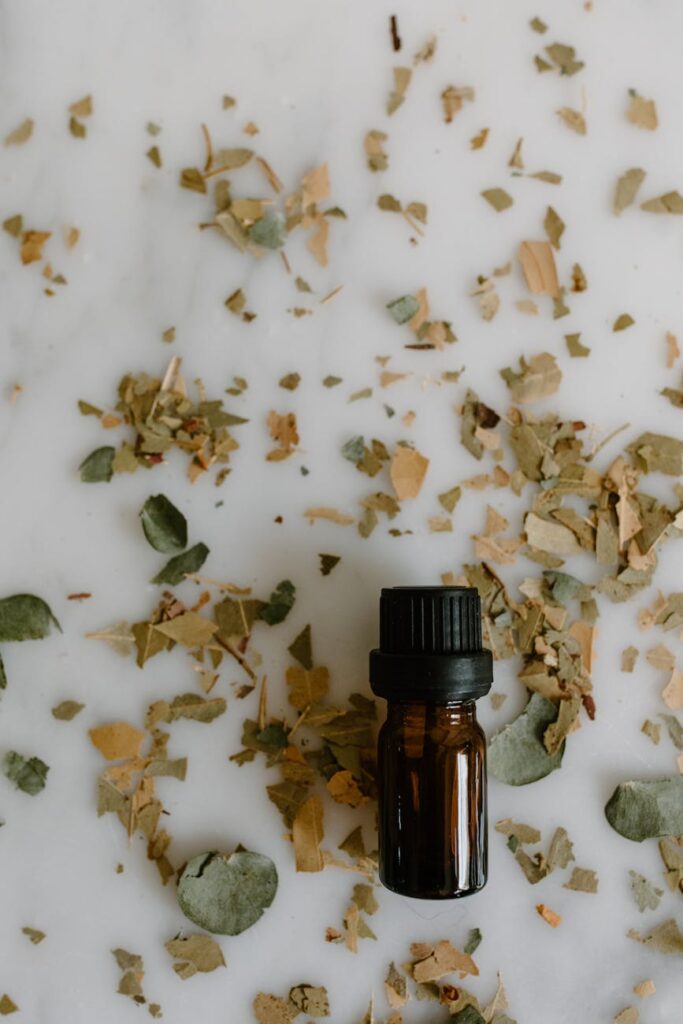
Complete Guide to Eucalyptus Oil
Introduction
Eucalyptus oil, derived from the leaves of eucalyptus trees, has gained significant popularity in aromatherapy and natural health circles. Known for its invigorating scent and wide range of applications, this essential oil is not only valued for its aromatic qualities but also for its numerous practical uses. This guide aims to provide an in-depth understanding of eucalyptus oil, covering its properties, benefits, uses, and safety considerations.
What Is Eucalyptus Oil?
Eucalyptus oil is extracted from the leaves of various species of eucalyptus trees, primarily Eucalyptus globulus. The oil is obtained through steam distillation, a process that helps retain its potent properties. Eucalyptus trees are native to Australia, but they are now cultivated in many parts of the world due to their adaptability and rapid growth.
The oil is characterized by its fresh, camphoraceous scent, often described as clean and invigorating. Eucalyptus oil is rich in compounds such as eucalyptol (also known as 1,8-cineole), which is primarily responsible for its aroma and many of its beneficial properties.
Key Benefits and Properties
Eucalyptus oil is praised for a variety of benefits, which can be attributed to its chemical composition. Some key properties include:
- Antimicrobial: Eucalyptus oil has demonstrated antimicrobial activity against certain bacteria and fungi, making it a popular choice in cleaning products and natural disinfectants.
- Anti-inflammatory: The oil is known for its anti-inflammatory properties, which may assist in reducing inflammation associated with various conditions.
- Respiratory support: Eucalyptus oil is often used for its ability to support respiratory health, helping to clear the airways and ease breathing.
- Pain relief: Many people use eucalyptus oil topically to alleviate muscle and joint pain due to its analgesic properties.
- Insect repellent: The oil is also known for its ability to repel insects, making it a natural alternative to synthetic repellents.
- Aromatherapy: The oil is frequently used in diffusers or inhalers to promote relaxation and support respiratory health.
- Topical applications: It can be blended with carrier oils and applied to the skin for pain relief or as an insect repellent.
- Household cleaning: Due to its antimicrobial properties, eucalyptus oil is often included in natural cleaning products.
- Bath products: Eucalyptus oil is a common ingredient in bath bombs, salts, and shower gels for its refreshing scent and soothing effects.
- Massage oil: The oil can be incorporated into massage oils for its analgesic properties, providing relief from muscle tension.
- Diffusion: Adding a few drops of eucalyptus oil to a diffuser can create a refreshing atmosphere, which may help stimulate mental clarity and focus. It is particularly beneficial during cold and flu seasons.
- Inhalation: Inhaling eucalyptus oil directly from the bottle or from a tissue can provide immediate respiratory support. This practice may help relieve congestion and promote easier breathing.
- Blends: Eucalyptus oil blends well with other essential oils such as lavender, peppermint, and tea tree oil. These combinations can enhance the benefits of each oil, creating a synergistic effect.
- Meditation and yoga: The invigorating scent of eucalyptus can help clear the mind and enhance focus during meditation or yoga practices.
- Dilution: Eucalyptus oil should always be diluted with a carrier oil before topical application to avoid skin irritation. A common dilution ratio is one to three drops of essential oil per teaspoon of carrier oil.
- Sensitivity: Some individuals may be sensitive to eucalyptus oil. It is advisable to perform a patch test on a small area of skin before widespread use.
- Pregnancy and breastfeeding: Pregnant and breastfeeding individuals should consult with a healthcare provider before using eucalyptus oil.
- Children: Eucalyptus oil is not recommended for use on children under the age of two due to the potential for respiratory complications.
- Medical conditions: Individuals with certain medical conditions, particularly those affecting the respiratory system, should exercise caution and consult a healthcare professional before using eucalyptus oil.
- Container: Store eucalyptus oil in a dark glass bottle to protect it from light, which can degrade its quality.
- Location: Keep the oil in a cool, dry place away from direct sunlight and heat sources.
- Shelf life: When stored correctly, eucalyptus oil typically has a shelf life of about three to five years. However, it is advisable to check for any changes in aroma or consistency before use, as these may indicate that the oil has expired.
Common Uses
Eucalyptus oil can be used in various forms, including:
Aromatherapy Applications
In aromatherapy, eucalyptus oil is celebrated for its uplifting and clarifying properties. Here are several applications:
Safety Considerations
While eucalyptus oil is generally considered safe for most people when used appropriately, there are several important safety considerations to keep in mind:
Storage and Shelf Life
To maintain the quality and efficacy of eucalyptus oil, proper storage is essential. Here are some guidelines:
Frequently Asked Questions
1. Can eucalyptus oil be ingested?
Eucalyptus oil is not recommended for internal use unless under the guidance of a qualified healthcare provider. Ingesting essential oils can be toxic and may lead to serious health issues.
2. Is eucalyptus oil safe for pets?
Eucalyptus oil can be toxic to pets, particularly cats and dogs. It is best to avoid using eucalyptus oil around pets or to consult a veterinarian for advice.
3. Can eucalyptus oil help with allergies?
While eucalyptus oil is known for its respiratory benefits, it should not be considered a treatment for allergies. It may provide temporary relief for some individuals, but it is essential to consult a healthcare professional for advice on managing allergies.
4. How can I incorporate eucalyptus oil into my skincare routine?
Eucalyptus oil can be added to skincare products, but it should always be diluted with a carrier oil. It may be beneficial for oily or acne-prone skin due to its antibacterial properties.
5. How do I know if I’m allergic to eucalyptus oil?
If you suspect an allergy to eucalyptus oil, perform a patch test by applying a diluted drop to a small area of skin. If irritation occurs, discontinue use and consult a healthcare provider.
In summary, eucalyptus oil is a versatile essential oil with a wide range of applications, from aromatherapy to household cleaning. Understanding its properties, benefits, and safety considerations can help you use it effectively while minimizing potential risks. Always remember to approach essential oils with caution and respect, ensuring that they enhance your well-being in a safe manner.