
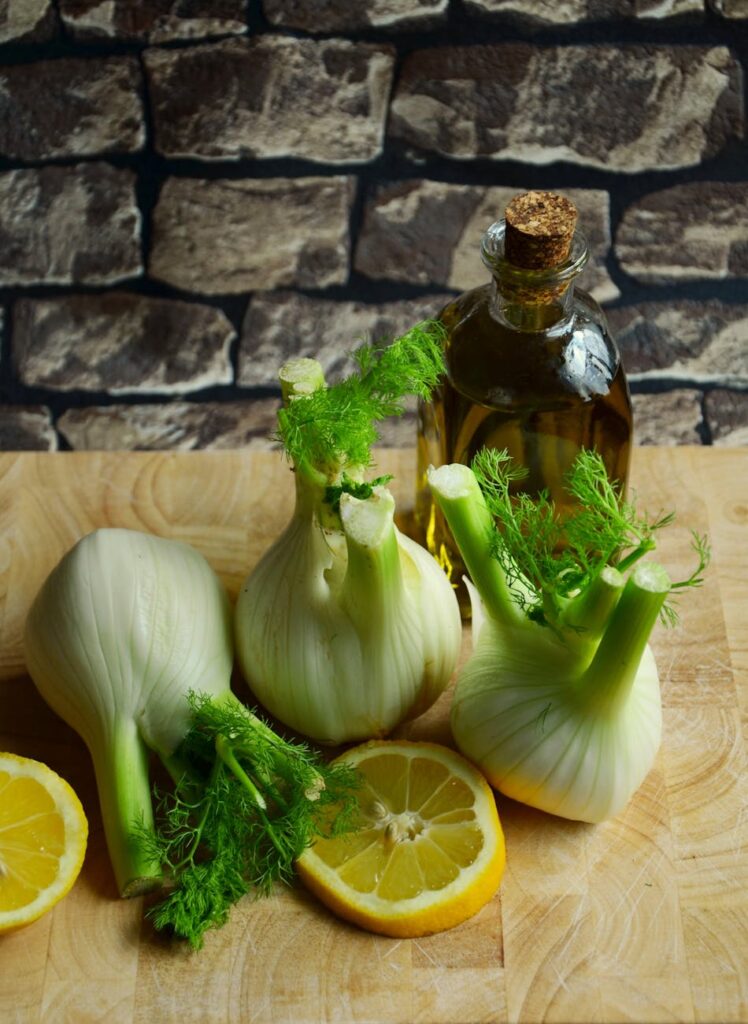
Complete Guide to Fennel Oil Safety
Introduction
Fennel oil, derived from the seeds of the fennel plant (Foeniculum vulgare), has gained popularity in the realm of aromatherapy and holistic wellness. Its sweet, anise-like aroma is cherished for its potential therapeutic properties. However, like any essential oil, it is crucial to understand fennel oil safety to harness its benefits effectively while minimizing risks. This guide aims to provide comprehensive insights into the safety profile, benefits, and applications of fennel oil.
What Is Fennel Oil Safety?
Fennel oil safety encompasses the practices and precautions necessary to use fennel oil effectively and responsibly. Essential oils, including fennel oil, are concentrated plant extracts that can have potent effects. Therefore, understanding how to use them safely is essential for both novice and experienced users. This includes knowledge about proper dilution, potential interactions with other substances, and specific populations that may need to exercise caution.
Key Benefits and Properties
Fennel oil is known for its diverse range of properties, making it a valuable addition to aromatherapy practices. Some of the key benefits include:
- Digestive Support: Fennel oil is often associated with digestive health, as it may help alleviate symptoms such as bloating and gas.
- Antimicrobial Properties: Research has indicated that fennel oil exhibits antimicrobial effects, which may help in inhibiting the growth of certain bacteria and fungi.
- Anti-inflammatory Effects: The oil is believed to possess anti-inflammatory properties, which may assist in reducing inflammation in various body systems.
- Hormonal Balance: Fennel oil has been traditionally used to support hormonal balance, particularly in women, due to its phytoestrogen content.
- Culinary Applications: In small amounts, fennel oil can be used to flavor dishes, but it must be used sparingly due to its potency.
- Aromatherapy: When diffused or inhaled, fennel oil is believed to promote relaxation and mental clarity.
- Topical Applications: With proper dilution, fennel oil can be used in massage oils or skincare formulations, particularly for its soothing effects.
- Bath Products: Adding fennel oil to bath salts or oils may enhance relaxation and provide a soothing experience.
- Diffusion: Fennel oil can be added to an essential oil diffuser to fill a room with its calming aroma. This method is often used for its purported benefits in reducing stress and anxiety.
- Inhalation: Inhaling fennel oil directly from the bottle or via a tissue can provide immediate aromatic benefits, potentially aiding concentration and mental clarity.
- Massage: When blended with a carrier oil, fennel oil can be used in massage therapy to promote relaxation and ease muscle tension.
- Storage Conditions: Fennel oil should be stored in a cool, dark place, away from direct sunlight and heat. This helps prevent degradation and prolongs its shelf life.
- Container: It is best kept in a dark glass bottle to protect it from light exposure. Ensure the bottle is tightly sealed when not in use.
- Shelf Life: Generally, fennel oil has a shelf life of about 2-3 years when stored correctly. However, always check for changes in aroma, color, or viscosity, which may indicate spoilage.
These properties contribute to its use in various applications, from culinary to therapeutic.
Common Uses
Fennel oil is versatile and can be used in several ways:
Aromatherapy Applications
In aromatherapy, fennel oil can be utilized in various ways to support emotional and physical well-being:
Safety Considerations
While fennel oil offers many benefits, there are important safety considerations to keep in mind:
Skin Sensitivity
Fennel oil is considered a skin irritant for some individuals. It is crucial to dilute fennel oil with a carrier oil (such as coconut, almond, or jojoba oil) before applying it to the skin. A patch test is recommended: apply a small diluted amount to an inconspicuous area of skin and wait 24 hours to check for any adverse reactions.
Pregnant and Nursing Women
Pregnant and nursing women should exercise caution when using fennel oil. Due to its potential hormonal effects, it is advisable to consult a healthcare professional before use.
Children
Fennel oil is not recommended for children under two years of age. For older children, it should be used with caution and always diluted appropriately.
Allergies and Sensitivities
Individuals with allergies to plants in the Apiaceae family (such as carrots, celery, and dill) may also be sensitive to fennel oil. Those with known allergies should avoid using this oil.
Drug Interactions
Fennel oil may interact with certain medications, especially those that affect hormonal balance or liver function. It is always prudent to consult a healthcare provider if you are taking medications and considering the use of fennel oil.
Phototoxicity
While fennel oil is not as phototoxic as some citrus oils, care should still be taken when using it before sun exposure. If applying fennel oil to the skin, it is advisable to avoid direct sunlight for at least 12 hours.
Storage and Shelf Life
Proper storage is essential to maintain the quality of fennel oil:
Frequently Asked Questions
Is fennel oil safe for ingestion?
While fennel oil can be used in culinary applications, it should be used sparingly and with caution. Consult a qualified expert before ingesting essential oils.
Can fennel oil help with digestion?
Fennel oil is traditionally associated with digestive support. However, individual results may vary, and it is advisable to consult a healthcare professional for digestive concerns.
What are the best carrier oils for fennel oil?
Common carrier oils suitable for diluting fennel oil include coconut oil, sweet almond oil, jojoba oil, and grapeseed oil. Choose a carrier oil based on your skin type and personal preference.
How can I incorporate fennel oil into my self-care routine?
Fennel oil can be added to massage oils, bath products, or diffused in your living space to create a calming atmosphere. Always ensure proper dilution and perform a patch test before topical application.
Are there any contraindications for using fennel oil?
Yes, fennel oil should be avoided by pregnant and nursing women, young children, and individuals with known allergies to plants in the Apiaceae family. Always consult with a healthcare provider if unsure about its use.
Conclusion
Fennel oil is a potent essential oil with a variety of benefits and applications. However, understanding its safety considerations is essential for responsible use. By following the guidelines on dilution, potential interactions, and storage, you can safely incorporate fennel oil into your aromatherapy and self-care practices. Always prioritize safety and consult professionals when necessary to ensure a positive experience with this aromatic oil.