
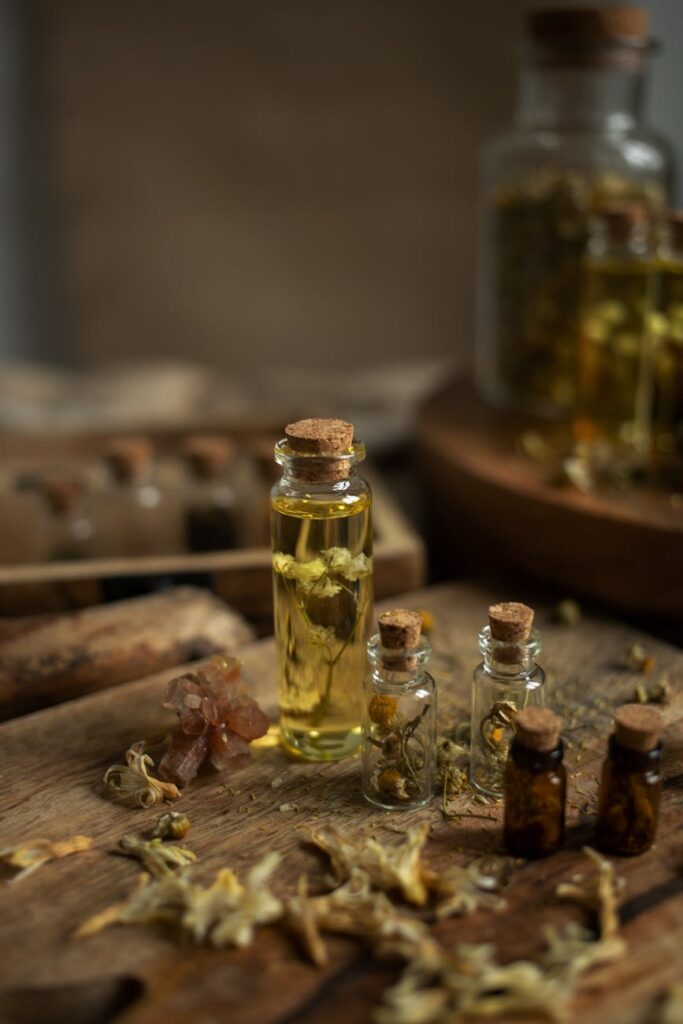
Complete Guide to Flaxseed Oil
Introduction
Flaxseed oil, derived from the seeds of the flax plant (Linum usitatissimum), has garnered attention for its potential health benefits and versatile uses. With a rich history dating back thousands of years, flaxseed oil has been employed for various purposes, ranging from culinary applications to natural remedies. This guide aims to provide a comprehensive overview of flaxseed oil, including its benefits, uses, and safety considerations.
What Is Flaxseed Oil?
Flaxseed oil is extracted from the seeds of the flax plant, which is native to the Mediterranean region but is now cultivated worldwide. The oil is known for its light, nutty flavor and is rich in essential fatty acids, particularly alpha-linolenic acid (ALA), an omega-3 fatty acid. The extraction of flaxseed oil typically involves cold pressing, which helps retain the oil’s nutritional properties.
Flaxseed oil can be found in liquid form or as capsules, and it is often used in various culinary and cosmetic applications. Its unique composition makes it a valuable addition to many diets and wellness routines.
Key Benefits and Properties
Flaxseed oil is celebrated for its numerous health benefits and properties, which include:
1. Rich in Omega-3 Fatty Acids
Flaxseed oil is one of the richest plant sources of omega-3 fatty acids. ALA, the primary omega-3 found in flaxseed oil, is essential for maintaining heart health and supporting overall well-being. Omega-3 fatty acids are known for their anti-inflammatory properties and may play a role in reducing the risk of chronic diseases.
2. Antioxidant Properties
Flaxseed oil contains lignans, which are phytoestrogens that exhibit antioxidant properties. These compounds help combat oxidative stress and may contribute to cellular health. The presence of antioxidants in flaxseed oil may also support skin health and improve appearance by combating the effects of aging.
3. Supports Digestive Health
Flaxseed oil may contribute to digestive health by promoting regular bowel movements and ensuring a healthy gut environment. The oil’s lubricating properties can help ease discomfort associated with constipation.
4. Skin Benefits
Flaxseed oil has gained popularity in skincare due to its moisturizing properties. It can help soothe dry skin, reduce inflammation, and improve the overall texture and appearance of the skin. Additionally, its high fatty acid content may aid in maintaining the skin’s natural barrier.
5. Hormonal Balance
Some studies suggest that the lignans in flaxseed oil may help support hormonal balance in both men and women. This can be particularly beneficial during hormonal fluctuations, such as those experienced during menopause.
Common Uses
Flaxseed oil is versatile and can be employed in various ways, including:
1. Culinary Uses
Flaxseed oil’s nutty flavor makes it a popular addition to salads, smoothies, and other dishes. It is best used in cold preparations, such as salad dressings, to preserve its nutritional value. It is not suitable for frying or high-heat cooking, as excessive heat can degrade the oil’s beneficial properties.
2. Nutritional Supplements
Flaxseed oil is available in capsule form, making it easier for individuals to incorporate into their daily supplement routine. These capsules provide a concentrated source of omega-3 fatty acids without the distinct flavor of the oil.
3. Skincare Products
Due to its moisturizing and anti-inflammatory properties, flaxseed oil is often included in skincare products such as lotions, creams, and serums. It may be used as a standalone oil for topical application, particularly for dry or irritated skin.
4. Hair Care
Flaxseed oil can also be beneficial for hair health. It may help improve hair texture, reduce frizz, and provide hydration, making it a popular ingredient in hair care products or as a conditioning treatment.
Aromatherapy Applications
While flaxseed oil is not commonly used as an essential oil in aromatherapy, it can serve as a carrier oil for diluting essential oils for topical application. Carrier oils are essential for safely applying concentrated essential oils to the skin, as they help reduce the risk of irritation.
1. Blending with Essential Oils
Flaxseed oil can be blended with various essential oils to create soothing and aromatic blends. When combined with essential oils like lavender or chamomile, it can enhance relaxation and promote a sense of well-being.
2. Massage Oil
As a carrier oil, flaxseed oil can be used in massage therapies to provide nourishment and hydration to the skin while delivering the benefits of essential oils. Its smooth texture makes it suitable for massage applications.
Safety Considerations
While flaxseed oil is generally considered safe for most individuals, there are some important considerations:
1. Allergies
Individuals with allergies to flax or any related plants should avoid using flaxseed oil. It is advisable to perform a patch test when using it for the first time on the skin.
2. Interaction with Medications
Flaxseed oil may interact with certain medications, particularly those affecting blood clotting or hormone levels. It is essential to consult a healthcare professional if you are taking any medications to ensure there are no adverse interactions.
3. Pregnancy and Breastfeeding
Pregnant or breastfeeding individuals should consult a healthcare provider before incorporating flaxseed oil into their diet, as its hormonal effects may need consideration.
4. Dosage
If consuming flaxseed oil as a supplement, adhering to recommended dosages is important. Excessive intake may lead to gastrointestinal discomfort.
Storage and Shelf Life
Proper storage is essential to maintain the quality of flaxseed oil:
1. Storage Recommendations
Flaxseed oil should be stored in a cool, dark place, away from direct sunlight and heat. It is best kept in an airtight container to prevent oxidation and degradation of the oil.
2. Shelf Life
Generally, flaxseed oil has a shelf life of about six months to one year when stored properly. It is advisable to check for any off odors or changes in appearance before use, as spoiled oil can develop a rancid smell and taste.
Frequently Asked Questions
1. Can flaxseed oil be used for cooking?
Flaxseed oil is best used in cold dishes, such as salad dressings or drizzled over cooked vegetables. It is not suitable for high-heat cooking methods, as heat can damage its nutritional properties.
2. How can I incorporate flaxseed oil into my diet?
Flaxseed oil can be added to smoothies, yogurt, or oatmeal. It can also be used in salad dressings or as a finishing oil for various dishes. Capsules are another convenient option for supplementation.
3. Is flaxseed oil safe for children?
Flaxseed oil is generally considered safe for children in moderate amounts. However, it is advisable to consult a healthcare professional before introducing it to a child’s diet.
4. How does flaxseed oil compare to other oils?
Flaxseed oil is unique due to its high content of ALA, an essential omega-3 fatty acid. While other oils like olive oil also offer health benefits, they differ in their fatty acid composition and potential uses.
5. Can flaxseed oil help with weight loss?
While flaxseed oil may support overall health, it is not a magic solution for weight loss. A balanced diet and regular exercise are crucial for effective weight management.
Conclusion
Flaxseed oil is a remarkable natural product with a wide range of benefits and applications. Whether used in cooking, skincare, or aromatherapy, its rich nutritional profile makes it a valuable addition to a healthy lifestyle. As with any supplement or natural product, it is essential to be mindful of dosage and individual health considerations. By understanding the properties and uses of flaxseed oil, individuals can make informed choices about incorporating it into their daily routines.