
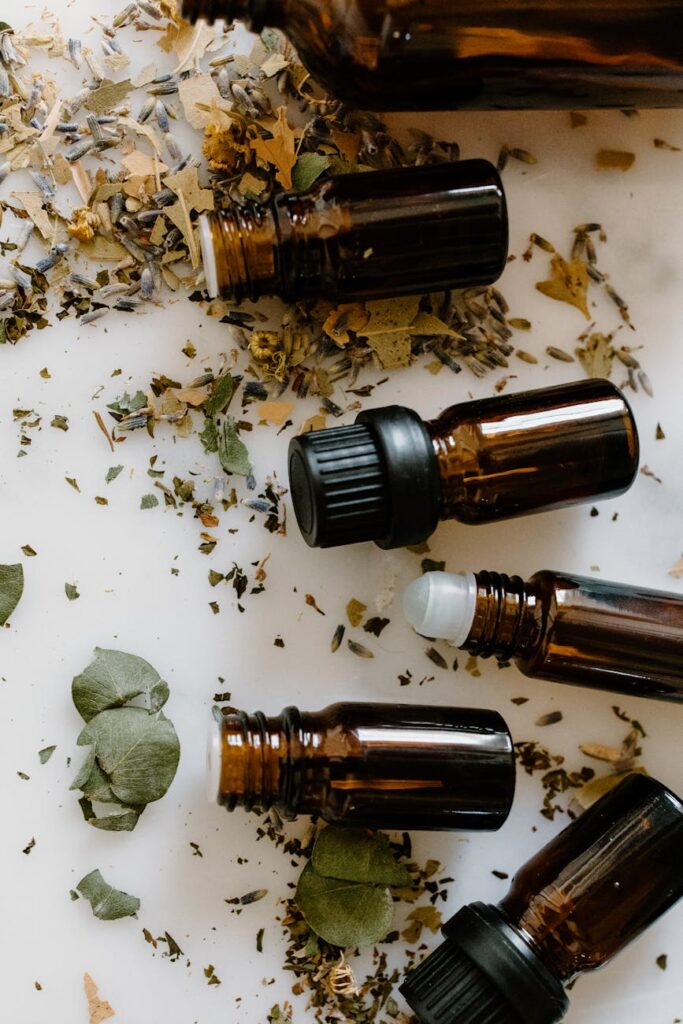
Complete Guide to Floral Herbal Aromatherapy Blends
Introduction
Aromatherapy, the practice of using aromatic plant extracts for therapeutic purposes, has gained significant popularity in recent years. Among the myriad of essential oils available, floral herbal aromatherapy blends stand out for their unique ability to evoke emotions, enhance mood, and promote relaxation. This guide delves into the intricacies of floral herbal aromatherapy blends, providing a comprehensive overview of their characteristics, benefits, applications, and safety considerations.
What Is Floral Herbal Aromatherapy Blends?
Floral herbal aromatherapy blends are combinations of essential oils derived from flowers and herbs. These blends are crafted to harness the synergistic properties of various plant extracts, creating balanced and harmonious scents that can enhance emotional well-being and physical relaxation. Common floral essential oils include lavender, rose, and chamomile, while herbal oils such as rosemary, basil, and sage can add depth and complexity to blends.
The art of creating floral herbal blends involves understanding the unique properties of each ingredient and how they interact. The goal is to create a blend that not only smells pleasant but also promotes a specific emotional or physical state, such as relaxation, focus, or upliftment.
Key Benefits and Properties
Floral herbal aromatherapy blends offer a range of benefits that appeal to both the senses and the mind. Some of the key benefits include:
1. Emotional Support: Many floral oils are known for their calming and uplifting properties. For instance, lavender is often used to reduce anxiety, while rose can promote feelings of love and compassion.
2. Stress Relief: The soothing aromas of floral and herbal oils can help alleviate stress and promote relaxation, making them ideal for use in high-pressure environments.
3. Enhanced Mood: Certain blends can stimulate the release of neurotransmitters that contribute to feelings of happiness and contentment.
4. Physical Relaxation: The calming effects of floral herbal blends can aid in muscle relaxation, making them beneficial for those experiencing tension or discomfort.
5. Support for Sleep: Many floral oils, such as chamomile and ylang-ylang, are known for their sedative properties, making them ideal for promoting restful sleep.
Common Uses
Floral herbal aromatherapy blends can be used in various contexts, including:
- Diffusion: Using a diffuser to disperse essential oils into the air is one of the most popular methods. This method allows for the gradual release of the scent, creating a calming atmosphere in homes, offices, or therapy rooms.
- Topical Application: Blends can be diluted with a carrier oil and applied to the skin. This method allows the oils to be absorbed directly into the bloodstream, where they can exert their effects more rapidly. Common areas for application include pulse points, the back of the neck, and the soles of the feet.
- Baths: Adding a few drops of floral herbal blends to a warm bath can enhance relaxation and create a spa-like experience at home.
- Massage: Incorporating floral herbal blends into massage oils can enhance the therapeutic effects of the massage, promoting relaxation and emotional balance.
- Inhalation: Inhaling the scent directly from the bottle or a tissue can provide instant benefits, making it a convenient option for on-the-go stress relief.
- Ingredients: Lavender, chamomile, and bergamot.
- Application: Diffuse in a bedroom or use in a calming bath to promote restful sleep.
- Ingredients: Geranium, ylang-ylang, and sweet orange.
- Application: Use in a diffuser during the day to create an uplifting atmosphere.
- Ingredients: Rosemary, peppermint, and lemongrass.
- Application: Inhale directly or use in a personal inhaler during study or work sessions.
- Ingredients: Frankincense, sandalwood, and lavender.
- Application: Apply diluted on pulse points or diffuse during meditation practices.
- Storage Conditions: Store essential oils in a cool, dark place away from direct sunlight and heat sources. A cupboard or drawer is ideal.
- Containers: Use dark glass bottles to protect oils from light degradation. Avoid plastic containers, as they can leach into the oils over time.
- Shelf Life: Most essential oils have a shelf life of 1-3 years, depending on the oil type and storage conditions. Floral oils tend to have a shorter shelf life than woody or resinous oils. Regularly check for changes in scent or consistency, which may indicate the oil has degraded.
Aromatherapy Applications
When creating floral herbal blends, it is essential to consider the intended application. Here are some common applications and suggested blends:
For Relaxation
For Uplifting Mood
For Focus and Clarity
For Stress Relief
Safety Considerations
While floral herbal aromatherapy blends are generally safe for most individuals, there are important safety considerations to keep in mind:
1. Dilution: Essential oils are potent and should be diluted in a carrier oil before topical application. A common dilution ratio is 2-3% for adults, which equates to about 12-18 drops of essential oil per ounce of carrier oil.
2. Skin Sensitivity: Conduct a patch test before using a new blend on the skin, especially for those with sensitive skin or allergies. Apply a small amount of the diluted blend to a discreet area and wait 24 hours to check for any adverse reactions.
3. Pregnancy and Nursing: Pregnant or nursing individuals should consult with a healthcare provider before using essential oils, as some oils may not be safe during these periods.
4. Children and Pets: Some essential oils can be harmful to children and pets. It is crucial to research each oil and its safety profile before use in homes with children or animals.
5. Quality of Oils: Always choose high-quality, therapeutic-grade essential oils from reputable sources to ensure purity and effectiveness.
Storage and Shelf Life
Proper storage of floral herbal aromatherapy blends is essential to maintain their potency and effectiveness. Here are some best practices:
Frequently Asked Questions
1. Can I mix different floral and herbal oils together?
Yes, blending different essential oils can create unique scents and enhance therapeutic effects. However, it is essential to understand the properties of each oil and how they might interact.
2. How do I know which oils to use for my specific needs?
Researching the properties of individual oils can help you choose the right ones for your needs. Additionally, consider your personal preferences and scents you find appealing, as this can greatly affect your experience.
3. Are there any contraindications for using floral herbal blends?
Certain essential oils may have contraindications based on individual health conditions or medications. It is advisable to consult with a healthcare professional if you have specific concerns.
4. Can I use floral herbal blends in a diffuser?
Yes, diffusing is one of the most popular and effective ways to enjoy floral herbal aromatherapy blends. Just be sure to follow the manufacturer’s instructions for your specific diffuser.
5. How can I enhance the effects of my floral herbal blends?
Incorporating mindfulness practices, such as meditation or deep breathing, while using your blends can enhance their effects. Creating a calming environment can also amplify the therapeutic benefits.
Conclusion
Floral herbal aromatherapy blends offer a delightful and effective way to enhance emotional and physical well-being through the power of scent. By understanding the properties, applications, and safety considerations of these blends, individuals can create personalized experiences that cater to their unique needs. Whether used in a calming bath, during meditation, or simply as a fragrant addition to a living space, floral herbal blends can provide a sense of balance and tranquility in today’s fast-paced world.