
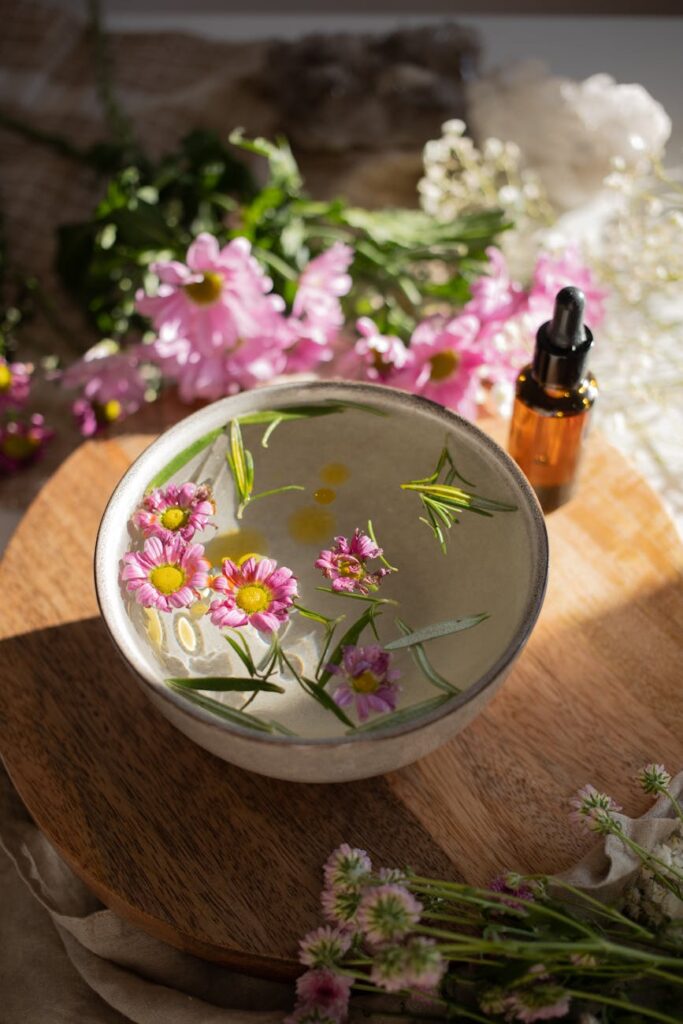
Complete Guide to Floral Hydrosols for Aging Support
Introduction
As the quest for natural solutions to support health and wellness continues, floral hydrosols are gaining recognition for their gentle yet effective properties. Distilled from aromatic plants, these water-based byproducts of essential oil extraction offer a multitude of benefits, particularly for those concerned with the signs of aging. This guide delves into the world of floral hydrosols, exploring their properties, uses, and place in the realm of aging support.
What Are Floral Hydrosols for Aging Support?
Floral hydrosols, often referred to as floral waters, are the aqueous distillates produced during the steam distillation process of plant materials, primarily flowers. Unlike essential oils, which are concentrated and potent, hydrosols are milder, containing the water-soluble components of the plant along with tiny amounts of essential oils. This makes them suitable for a wide range of applications, especially in skincare.
For aging support, floral hydrosols can offer soothing, hydrating, and rejuvenating properties. Common types include rose, lavender, chamomile, and neroli, each known for its unique benefits and aromatic qualities.
Key Benefits and Properties
Floral hydrosols possess several properties that contribute to their effectiveness in supporting aging skin:
1. Hydration: Hydrosols are excellent moisturizers, providing a light yet effective way to hydrate the skin without the heaviness of oils.
2. Soothing Effects: Many floral hydrosols have anti-inflammatory properties, making them ideal for calming irritated or sensitive skin.
3. Antioxidant Properties: Some hydrosols are rich in antioxidants, which can help neutralize free radicals and support skin health.
4. Balancing: Hydrosols can help balance the skin’s natural oils, making them suitable for various skin types, including oily and dry skin.
5. Aromatherapeutic Qualities: The subtle fragrances of hydrosols can have a calming effect on the mind, promoting relaxation and emotional well-being.
Common Uses
Floral hydrosols can be utilized in various ways to support aging skin:
- Facial Toners: Used as a refreshing toner, hydrosols can help balance the skin’s pH and prepare it for further skincare products.
- Facial Mists: Spritzing hydrosols directly onto the skin can provide instant hydration and a soothing effect throughout the day.
- Bath Additives: Adding hydrosols to bathwater can enhance the bathing experience, allowing for both skin benefits and aromatherapy.
- Compresses: Soaked cloths in hydrosols can be applied as compresses to targeted areas, providing relief and hydration to specific skin concerns.
- Hair Care: Floral hydrosols can also be used as hair rinses or scalp treatments, offering nourishment to both hair and scalp.
- Room Sprays: Floral hydrosols can be used to create natural room sprays that add a pleasant aroma to living spaces, promoting relaxation and tranquility.
- Massage Therapies: When diluted with carrier oils, floral hydrosols can be used in massage therapies, providing additional hydration and a soothing scent.
- Meditation Aids: The calming scents of certain hydrosols, such as lavender or chamomile, can be beneficial during meditation or mindfulness practices, aiding in relaxation and focus.
- Patch Testing: Before using a new hydrosol, it is advisable to perform a patch test on a small area of skin to check for any allergic reactions.
- Dilution: Although hydrosols are milder than essential oils, they should still be diluted when used in larger quantities or for sensitive areas.
- Storage: Ensure that hydrosols are stored in dark glass bottles to protect them from light and heat, which can degrade their quality.
- Consultation: Always consult with a knowledgeable source or professional when incorporating new products into your skincare routine, especially if you have pre-existing skin conditions.
- Containers: Store hydrosols in dark glass containers to protect them from light. Plastic containers can also be used but may not provide the same level of protection.
- Temperature: Keep hydrosols in a cool, dry place away from direct sunlight and heat sources.
- Shelf Life: The shelf life of floral hydrosols typically ranges from 6 months to 2 years, depending on the type and storage conditions. Always check for any changes in smell or appearance before use.
Aromatherapy Applications
Incorporating floral hydrosols into aromatherapy practices can enhance the overall experience:
Safety Considerations
While floral hydrosols are generally safe for most individuals, it is important to consider the following safety tips:
Storage and Shelf Life
To maintain the efficacy of floral hydrosols, proper storage is crucial:
Frequently Asked Questions
1. How do I choose the right floral hydrosol for my skin type?
Choosing the right floral hydrosol depends on your skin type and specific needs. For example, rose hydrosol is excellent for dry or mature skin, while lavender hydrosol can benefit oily or acne-prone skin.
2. Can I use floral hydrosols on sensitive skin?
Many floral hydrosols, such as chamomile and rose, are known for their gentle and soothing qualities, making them suitable for sensitive skin. However, always perform a patch test first.
3. Can floral hydrosols replace my regular toner or moisturizer?
Floral hydrosols can be used as a toner or in conjunction with your regular skincare routine. They provide hydration and can enhance the effectiveness of other products.
4. Are floral hydrosols safe for children and pets?
While many floral hydrosols are considered safe, it is important to consult with a healthcare professional before using them around children and pets, as individual sensitivities may vary.
5. Can I make my own floral hydrosols at home?
Yes, it is possible to create your own floral hydrosols using a distillation process or by steeping fresh flowers in water. However, proper techniques and equipment are necessary to ensure quality and safety.
Conclusion
Floral hydrosols offer a gentle and versatile approach to supporting aging skin. With their hydrating, soothing, and aromatic properties, they can be easily integrated into various skincare and aromatherapy practices. By understanding their benefits, uses, and proper handling, individuals can harness the power of floral hydrosols to enhance their overall well-being and promote a more youthful appearance. As you explore the world of floral hydrosols, may you find joy in their delicate scents and nourishing qualities.