
Complete Guide to Floral Hydrosols for Digestive Support
Introduction
Floral hydrosols, often referred to as flower waters, are aromatic by-products of the steam distillation process used to extract essential oils. While they may not possess the concentrated potency of essential oils, hydrosols carry their own unique therapeutic properties and are gentler in nature. In recent years, they have gained significant attention for their potential applications in holistic wellness, particularly in supporting digestive health. This guide aims to explore the essence of floral hydrosols, their benefits, applications, and safety considerations, particularly regarding digestive support.
What Is Floral Hydrosols for Digestive Support?
Floral hydrosols are created during the distillation of plant materials, where steam passes through the plant, capturing volatile compounds. Upon cooling, the steam condenses into two products: essential oil, which floats atop the hydrosol, and the hydrosol itself, which is rich in water-soluble components.
For digestive support, several floral hydrosols are particularly noteworthy. Among these are:
- Rose Hydrosol: Known for its soothing properties and ability to calm inflammation.
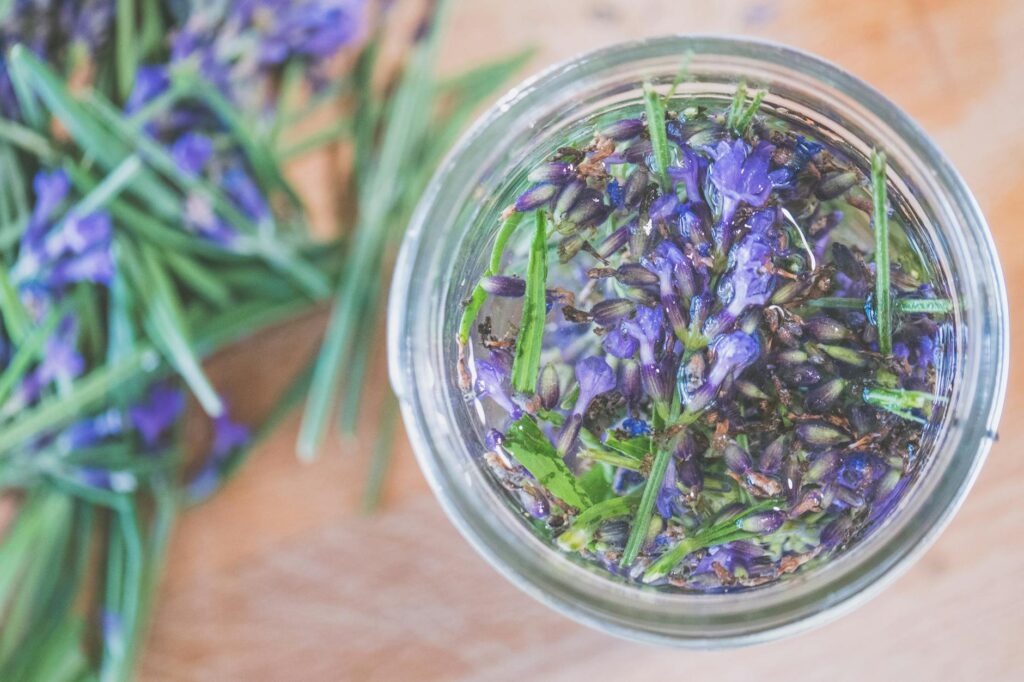
- Lavender Hydrosol: Often used for its calming effects on the digestive system.
- Chamomile Hydrosol: Valued for its anti-inflammatory and soothing characteristics.
- Peppermint Hydrosol: Popular for its refreshing and cooling properties that can aid digestion.
- Soothing Effects: Many hydrosols, such as chamomile and lavender, have calming properties that can alleviate stress and anxiety, which are often linked to digestive issues.
- Anti-Inflammatory Properties: Hydrosols like rose and chamomile may help reduce inflammation in the digestive tract, potentially easing discomfort.
- Digestive Stimulants: Hydrosols such as peppermint can stimulate digestive juices and enhance the body’s ability to break down food.
- Antimicrobial Effects: Some floral hydrosols may possess mild antimicrobial properties, which can help maintain a balanced gut flora.
- Hydration: As water-based products, hydrosols can aid in hydration, promoting a well-functioning digestive system.
- Diffusion: Adding hydrosols to a diffuser can fill the air with soothing aromas, promoting a calming environment conducive to digestive health.
- Room Sprays: Hydrosols can be combined with distilled water in a spray bottle to create a refreshing room spray that benefits the digestive system indirectly by reducing stress and improving mood.
- Massage Blends: Combining floral hydrosols with carrier oils for abdominal massage can provide a soothing experience that may alleviate digestive discomfort.
- Facial Steams: Inhaling the steam from hot water infused with floral hydrosols can create a calming ritual that can promote relaxation and indirectly support digestion.
- Skin Sensitivity: Always perform a patch test before applying hydrosols topically to ensure there are no adverse reactions.
- Pregnancy and Nursing: Pregnant or nursing individuals should consult their healthcare provider before using any hydrosols, as some may not be suitable.
- Quality Matters: Purchase hydrosols from reputable sources to ensure purity and avoid contamination with synthetic additives.
- Dilution: Although hydrosols are less concentrated than essential oils, some may still require dilution for topical applications. Always follow guidelines or seek advice from a qualified practitioner.
- Internal Use: Only consider internal use of hydrosols after consulting with a knowledgeable healthcare professional, especially if you have pre-existing health conditions or are taking medication.
- Cool, Dark Place: Store hydrosols in a cool, dark environment away from direct sunlight to prevent degradation.
- Glass Containers: Ideally, hydrosols should be kept in dark glass bottles to shield them from light and air exposure.
- Refrigeration: Some hydrosols, particularly those with a higher water content, may benefit from refrigeration to extend shelf life.
- Shelf Life: Most floral hydrosols have a shelf life ranging from 6 months to 2 years, depending on the type and storage conditions. Always check for any signs of spoilage, such as off odors or changes in color.
These hydrosols can be integrated into daily routines to promote digestive comfort and overall well-being.
Key Benefits and Properties
Floral hydrosols offer a range of benefits that can contribute to digestive support:
Common Uses
Floral hydrosols can be utilized in various ways to support digestive health:
1. Inhalation: Inhaling the aroma of floral hydrosols can provide immediate relief from stress and anxiety, which may indirectly improve digestive function.
2. Topical Application: Diluted floral hydrosols can be applied to the abdominal area to soothe discomfort.
3. Internal Use: Some hydrosols may be ingested in small amounts, typically mixed with water or added to herbal teas. However, it is crucial to consult with a knowledgeable practitioner before internal use.
4. Culinary Uses: Certain floral hydrosols, such as rose or lavender, can be incorporated into culinary creations, adding flavor and potential digestive benefits to dishes and beverages.
5. Bath Additive: Adding floral hydrosols to bathwater can create a calming atmosphere that may help reduce stress-related digestive issues.
Aromatherapy Applications
In aromatherapy, floral hydrosols can be used in various ways to enhance digestive support:
Safety Considerations
While floral hydrosols are generally considered safe, it is essential to observe certain precautions:
Storage and Shelf Life
Proper storage of floral hydrosols is crucial to maintain their integrity and effectiveness:
Frequently Asked Questions
1. What is the difference between floral hydrosols and essential oils?
Floral hydrosols are the water-based by-products of essential oil distillation, containing water-soluble compounds. Essential oils are highly concentrated, volatile extracts. Hydrosols are gentler and can be used safely for a broader audience.
2. Can I use floral hydrosols for children?
Many floral hydrosols are considered safe for children, but it is best to consult with a healthcare professional for specific recommendations based on age and health conditions.
3. How do I choose the right floral hydrosol for digestive support?
Selecting a floral hydrosol depends on individual needs and preferences. For calming effects, consider lavender or chamomile. For digestive stimulation, peppermint is a popular choice.
4. Are there any side effects associated with floral hydrosols?
While generally safe, some individuals may experience skin sensitivity or allergic reactions. It is advisable to perform a patch test and consult with a healthcare provider if uncertain.
5. Can floral hydrosols be used in cooking?
Yes, certain floral hydrosols can be used in culinary applications to impart flavor and potential digestive benefits. However, it is essential to ensure that the hydrosol is food-grade and sourced from reputable suppliers.
Conclusion
Floral hydrosols offer a gentle yet effective way to support digestive health through their soothing, anti-inflammatory, and hydrating properties. By integrating these aromatic waters into daily routines, individuals may find enhanced comfort and well-being. However, it is essential to approach their use with mindfulness, considering safety and storage precautions to ensure the best possible experience. Whether through inhalation, topical application, or culinary use, floral hydrosols hold a unique place in the realm of natural wellness, inviting exploration and appreciation.