
Complete Guide to Floral Hydrosols for Energy Boost
Introduction
In the realm of natural wellness, floral hydrosols have gained popularity for their gentle yet effective properties. Often overlooked in favor of essential oils, hydrosols offer a milder alternative, making them suitable for various applications. This guide delves into the world of floral hydrosols, particularly focusing on their potential to enhance energy levels. With a detailed exploration of their benefits, uses, and safety considerations, this article aims to provide a comprehensive understanding of these aromatic waters.
What Are Floral Hydrosols for Energy Boost?
Floral hydrosols, also known as floral waters, are the by-products of the steam distillation process used to extract essential oils from plants. During this process, steam passes through plant material, capturing volatile compounds, which then condense to create both essential oil and hydrosol. The hydrosol contains water-soluble components of the plant, offering a gentler option for those seeking the benefits of aromatherapy.
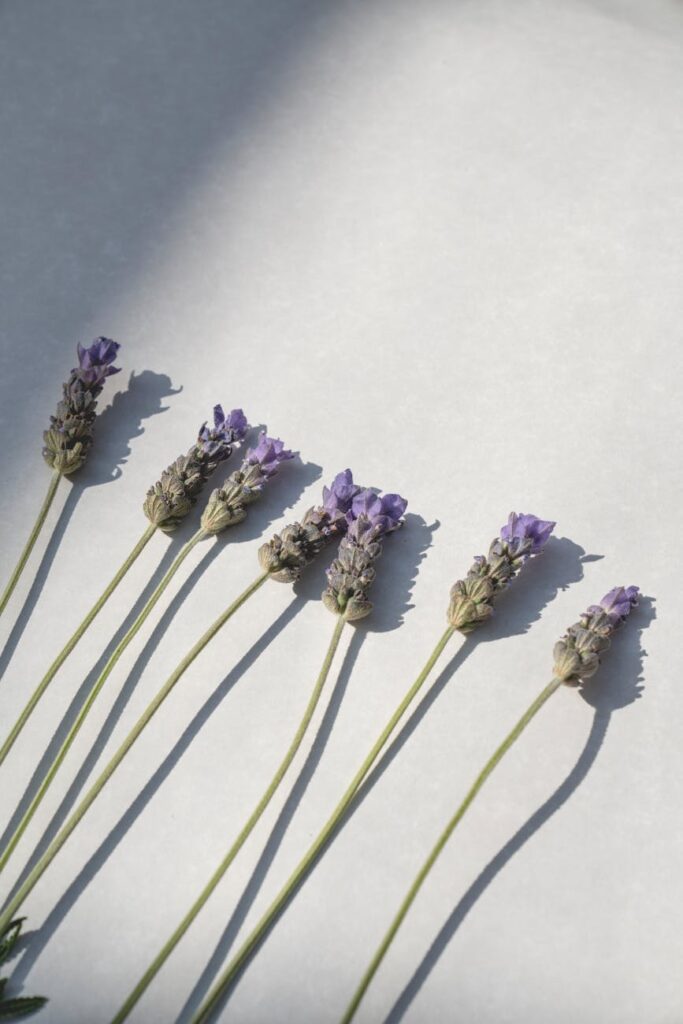
When it comes to energy enhancement, specific floral hydrosols—such as those derived from rose, lavender, and geranium—are particularly noted for their uplifting properties. While they do not provide an immediate jolt like caffeine, they can contribute to a more balanced and invigorated state of mind.
Key Benefits and Properties
1. Uplifting Aroma
Floral hydrosols are renowned for their pleasant aromas, which can have a positive impact on mood and energy. The scent of flowers is often associated with freshness and vitality, making them ideal for creating an energizing atmosphere.
2. Calming Effects
While the primary focus here is on energy boosting, many floral hydrosols also promote relaxation. This dual action can help reduce stress and anxiety, allowing for a more focused and energized state without the jitteriness often associated with stimulants.
3. Hydration and Refreshment
In addition to their aromatic benefits, floral hydrosols can be used topically or in sprays to hydrate the skin. This refreshing quality can help combat fatigue, especially in warmer climates or dry environments.
4. Versatility
Floral hydrosols can be used in various applications—from skincare to culinary uses—making them a versatile addition to any wellness routine.
Common Uses
1. Aromatic Sprays
One of the most popular applications of floral hydrosols is as aromatic sprays. A simple blend of hydrosol and water can create a light mist that can be sprayed in the air or onto linens to freshen up a space.
2. Facial Mists
Floral hydrosols can also be used as facial mists. They provide hydration while delivering the beneficial properties of the flowers, making them an excellent choice for a refreshing pick-me-up during the day.
3. Bath Soaks
Adding floral hydrosols to bath water can enhance relaxation and rejuvenation. The steam generated in a warm bath helps release the hydrosol’s aromatic properties, creating a soothing environment.
4. Culinary Applications
Some floral hydrosols, such as rose, can be used in culinary dishes. They can add a unique flavor profile to desserts or beverages, providing both taste and uplifting benefits.
Aromatherapy Applications
In aromatherapy, floral hydrosols can be utilized in various ways to promote energy. Here are some effective applications:
1. Diffusion
Using a diffuser, floral hydrosols can be dispersed into the air, creating an invigorating environment. This method is particularly effective in spaces where you seek to enhance focus and creativity.
2. Inhalation
For a quick energy boost, simply inhaling the scent from a bottle of floral hydrosol can stimulate the senses and elevate mood. This method is convenient and can be done discreetly throughout the day.
3. Massage Blends
Combining floral hydrosols with carrier oils for a massage can not only provide physical relaxation but also enhance emotional well-being. This can be particularly effective in reducing muscle tension while promoting a sense of vitality.
4. Meditation and Yoga
Incorporating floral hydrosols into meditation or yoga practices can deepen the experience. Spraying the space or applying them topically prior to practice can create a calming yet energizing atmosphere.
Safety Considerations
While floral hydrosols are generally safe for most people, there are some considerations to keep in mind:
1. Skin Sensitivity
Although hydrosols are milder than essential oils, some individuals may still experience skin sensitivity. It is advisable to conduct a patch test before applying a new hydrosol to a larger area of skin.
2. Pregnancy and Nursing
Certain floral hydrosols may not be suitable for use during pregnancy or nursing. It is essential to research specific hydrosols and consult with a professional if necessary.
3. Allergies
Individuals with allergies to specific plants should exercise caution. Always check the source and ingredients of the hydrosol to avoid adverse reactions.
4. Quality of Product
Not all hydrosols are created equal. It is crucial to purchase high-quality products from reputable sources to ensure purity and efficacy.
Storage and Shelf Life
Proper storage is vital for maintaining the quality of floral hydrosols. Here are some tips:
1. Cool, Dark Place
Store floral hydrosols in a cool, dark place to prevent degradation from light and heat. Amber or cobalt glass bottles are ideal for protecting the contents.
2. Refrigeration
For extended freshness, some hydrosols can be stored in the refrigerator. This can also enhance their refreshing qualities when used as facial mists or sprays.
3. Shelf Life
Typically, floral hydrosols have a shelf life of 1 to 3 years, depending on the type and storage conditions. Always check for any changes in scent or appearance before use.
Frequently Asked Questions
1. How do I choose the right floral hydrosol for energy?
Selecting the right floral hydrosol may depend on personal preference, scent, and intended use. Popular options for energy include rose, geranium, and lavender. Experimenting with different types may help you find the best fit.
2. Can I use floral hydrosols on my skin?
Yes, floral hydrosols are generally safe for topical use. However, it is advisable to conduct a patch test first, especially for individuals with sensitive skin.
3. How often can I use floral hydrosols?
Floral hydrosols can be used multiple times a day as needed. They are versatile and can be incorporated into various routines without risk of overuse.
4. Are floral hydrosols the same as essential oils?
No, floral hydrosols and essential oils are distinct products. Hydrosols are the by-products of essential oil distillation, containing different chemical components and a milder aroma.
Conclusion
Floral hydrosols offer a unique and gentle approach to enhancing energy and well-being. With their refreshing aromas, versatile applications, and numerous benefits, they can be valuable additions to your holistic wellness toolkit. By understanding their properties, uses, and safety considerations, you can fully appreciate the potential of floral hydrosols in promoting vitality and balance in your life. Whether as a facial mist, an aromatic spray, or a component in your self-care routine, these floral waters can invigorate your senses and elevate your mood in a natural, soothing way.