
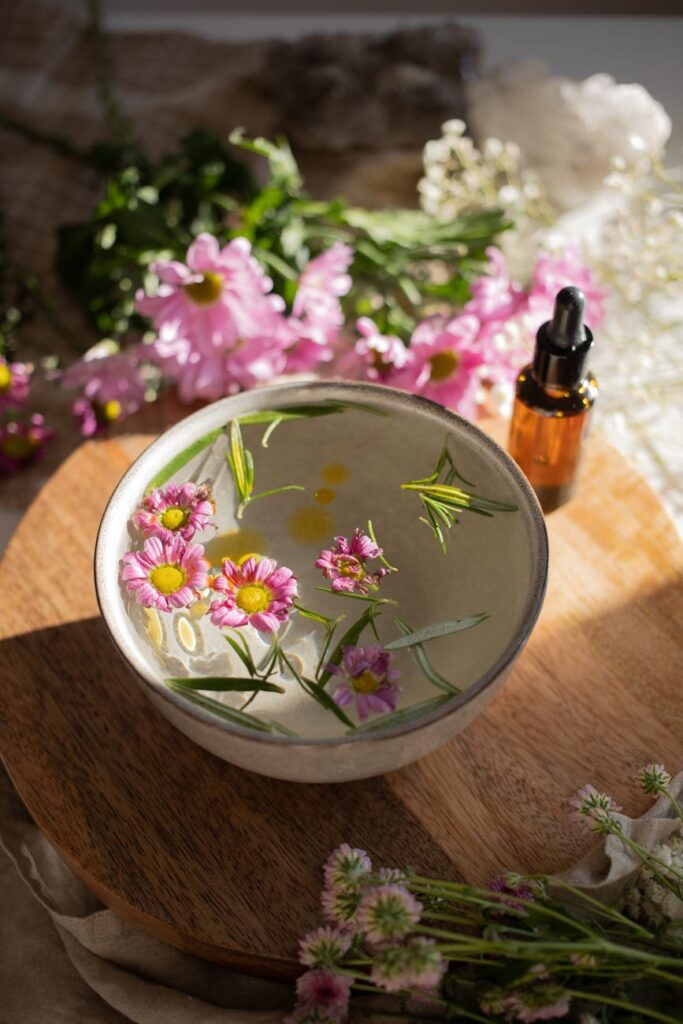
Complete Guide to Floral Hydrosols for Eye Care
Introduction
Floral hydrosols, also known as flower waters or hydrolats, are aromatic waters produced during the steam distillation of essential oils. Unlike essential oils, which are concentrated extracts, hydrosols retain the beneficial properties of the plant material in a milder form. Their gentle nature makes them suitable for various applications, including skincare and, notably, eye care. This guide explores the world of floral hydrosols, their benefits for eye care, common uses, and safety considerations, providing a comprehensive resource for enthusiasts and practitioners alike.
What Is Floral Hydrosols for Eye Care?
Floral hydrosols are aqueous solutions that contain the water-soluble components of aromatic plants. During the distillation process, steam extracts both essential oils and hydrosols from the plant material. The resulting hydrosol is a fragrant liquid that captures the essence of the plant, albeit in a more diluted form.
In the context of eye care, floral hydrosols can be used for their soothing, anti-inflammatory, and toning properties. Commonly derived from flowers such as rose, chamomile, and lavender, these hydrosols can be incorporated into daily routines to help nurture and maintain the delicate skin around the eyes.
Key Benefits and Properties
Floral hydrosols boast a variety of benefits that make them particularly suitable for eye care:
1. Soothing Properties
Many floral hydrosols have calming effects, providing relief from irritation and discomfort. For example, chamomile hydrosol is known for its anti-inflammatory properties, making it a popular choice for soothing tired or puffy eyes.
2. Hydration
The hydrating qualities of floral hydrosols can help maintain moisture levels in the skin. This is especially important for the thin skin around the eyes, which can easily become dehydrated.
3. Antioxidant Effects
Floral hydrosols often contain antioxidants that can help protect skin from environmental stressors, potentially reducing signs of aging and fatigue around the eyes.
4. Cooling Sensation
The refreshing nature of floral hydrosols can provide a cooling effect, making them ideal for use in eye compresses or sprays, especially after long periods of screen use or exposure to sun.
Common Uses
Floral hydrosols can be used in a variety of ways to promote eye care:
1. Eye Compresses
Soaking a cotton pad in a floral hydrosol and placing it over closed eyes can provide immediate relief from puffiness and irritation.
2. Facial Mists
Floral hydrosols can be used as facial mists to hydrate and refresh the skin, including the delicate area around the eyes.
3. Ingredient in Eye Creams
Incorporating floral hydrosols into homemade eye creams or serums can enhance the hydrating and soothing properties of these products.
4. Bath Soaks
Adding a floral hydrosol to a bath can create a soothing atmosphere while also benefiting the skin.
Aromatherapy Applications
Within the realm of aromatherapy, floral hydrosols serve as versatile tools for enhancing mood and well-being. The gentle fragrances can evoke relaxation and tranquility, making them suitable for use in meditation or calming routines.
1. Relaxation Rituals
Incorporating floral hydrosols into relaxation practices can help reduce stress and anxiety, promoting a sense of peace. Lavender hydrosol, for example, is often used for its calming properties.
2. Enhancing Sleep Quality
Using floral hydrosols in pillow sprays or bedtime routines may contribute to improved sleep quality, indirectly benefiting the eyes by promoting restful sleep.
Safety Considerations
While floral hydrosols are generally considered safe for topical use, some precautions are advisable:
1. Patch Test
Before applying a new hydrosol, it is prudent to conduct a patch test on a small area of skin to check for any adverse reactions.
2. Sensitivity
Individuals with sensitive skin or allergies should approach certain floral hydrosols with caution. For instance, those allergic to ragweed may find chamomile hydrosol irritating.
3. Avoid Direct Eye Contact
While many floral hydrosols are gentle, it is best to avoid direct contact with the eyes. If irritation occurs, rinse with water and discontinue use.
4. Consultation
For individuals with specific eye conditions or concerns, consulting a healthcare provider before using floral hydrosols is recommended.
Storage and Shelf Life
Proper storage is essential for maintaining the quality and efficacy of floral hydrosols:
1. Cool, Dark Places
Floral hydrosols should be stored in a cool, dark place to prevent degradation from light and heat exposure.
2. Glass Containers
Using dark glass containers can help protect the hydrosols from light. Plastic containers may not provide adequate protection and should be avoided if possible.
3. Shelf Life
While floral hydrosols typically have a shelf life of 1 to 2 years, this can vary depending on the specific hydrosol and storage conditions. It is advisable to check for any changes in smell, color, or consistency before use.
Frequently Asked Questions
1. Can I use floral hydrosols every day?
Yes, floral hydrosols can be safely used daily as part of a skincare routine. They are gentle and suitable for most skin types.
2. Are there specific hydrosols recommended for dark circles?
While results can vary, rose and chamomile hydrosols are often cited for their soothing properties and may help improve the appearance of dark circles when used consistently.
3. Can I mix different floral hydrosols?
Yes, blending different floral hydrosols can create unique combinations that enhance their beneficial properties. However, it is advisable to research the compatibility of the hydrosols being blended.
4. Are floral hydrosols safe for children?
Many floral hydrosols are considered safe for children, but it is always best to consult with a healthcare professional for specific recommendations.
Conclusion
Floral hydrosols offer a gentle and effective approach to eye care, harnessing the soothing and hydrating properties of aromatic plants. Their versatility allows for various applications, from eye compresses to facial mists, making them a valuable addition to any skincare routine. By understanding their benefits and proper usage, individuals can incorporate floral hydrosols into their daily lives, enriching their overall well-being.