
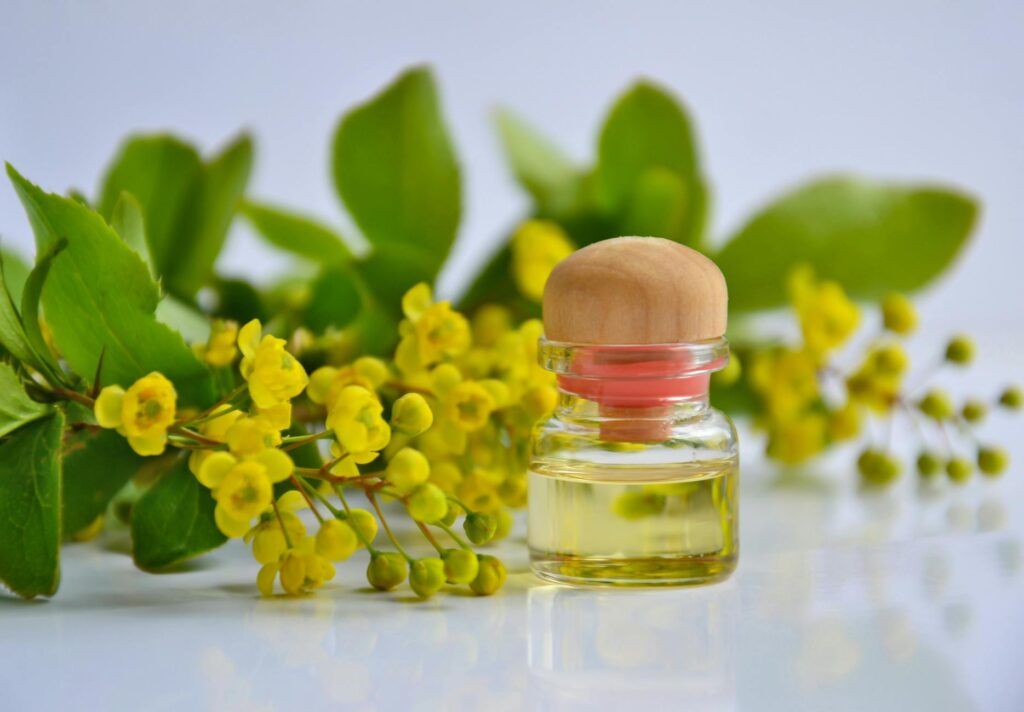
Complete Guide to Floral Hydrosols for Hair Care
Introduction
Floral hydrosols, also known as flower waters, have gained significant popularity in the realms of beauty and wellness due to their gentle and versatile nature. Derived from the steam distillation of plant materials, they capture the essence of the flowers while retaining their beneficial properties. This guide explores the use of floral hydrosols specifically for hair care, delving into their benefits, applications, and safety considerations.
What Are Floral Hydrosols for Hair Care?
Floral hydrosols are the aromatic waters produced during the distillation process of essential oils. When steam passes through the plant material, it extracts essential oils along with hydrophilic (water-soluble) components, resulting in a fragrant liquid that embodies the subtle essence of the plant. Unlike essential oils, hydrosols are much milder and safe for direct application on the skin and hair without the need for dilution.
In hair care, floral hydrosols can be used to enhance hair health, promote soothing scalp conditions, and impart delightful fragrances. Common types of floral hydrosols include rose, lavender, chamomile, and neroli, each with unique properties that cater to different hair types and needs.
Key Benefits and Properties
Floral hydrosols offer a myriad of benefits for hair care, including:
1. Moisturizing Properties: Many floral hydrosols are hydrating, helping to retain moisture in the hair and scalp. This can be particularly beneficial for dry or damaged hair.
2. Soothing Effects: Hydrosols like chamomile and lavender are known for their calming effects. They can help alleviate scalp irritation and redness, making them ideal for sensitive skin.
3. Balancing Oil Production: Certain hydrosols, such as rosemary, can help balance oil production on the scalp, making them suitable for those with oily hair types.
4. Strengthening Hair: Floral hydrosols can enhance the overall health of hair, improving its strength and reducing breakage.
5. Natural Fragrance: Unlike synthetic fragrances, floral hydrosols offer a natural aroma that can enhance the sensory experience of hair care routines.
6. pH Balancing: Many hydrosols are naturally pH balanced, helping to maintain the scalp’s natural acidity and promoting a healthy environment for hair growth.
Common Uses
Floral hydrosols can be integrated into various hair care routines in several ways:
1. Hair Mist: A simple hair mist can be created by filling a spray bottle with floral hydrosol. This can be used daily for hydration and fragrance.
2. Scalp Treatment: Applying hydrosol directly to the scalp can help soothe irritation and balance oil production. Simply spray onto the scalp and massage gently.
3. Conditioner Rinse: After shampooing, a diluted floral hydrosol can be used as a final rinse to add moisture and fragrance to the hair.
4. Hair Styling Aid: Some floral hydrosols can be used as a natural styling aid, providing light hold and enhancing hair texture.
5. DIY Hair Products: Hydrosols can serve as a base for homemade shampoos, conditioners, and hair masks, enhancing the efficacy of the products.
Aromatherapy Applications
In addition to their hair care benefits, floral hydrosols can be used in aromatherapy practices. The gentle nature of these hydrosols makes them suitable for direct inhalation, room sprays, or addition to bathwater. The aromatic properties of hydrosols can contribute to a calming atmosphere, aiding relaxation and stress relief.
For instance, a lavender hydrosol can be misted in the air before bedtime to create a serene environment conducive to sleep. Alternatively, a rose hydrosol can be used in a calming face or body spray, enhancing the overall sensory experience.
Safety Considerations
While floral hydrosols are generally safe for most individuals, it is essential to consider the following guidelines:
1. Patch Test: Before using a new hydrosol, perform a patch test on a small area of skin to check for any allergic reactions or sensitivities.
2. Consultation: Those with specific skin or scalp conditions should consult a healthcare professional or dermatologist before incorporating new products into their routine.
3. Storage: Keep hydrosols in a cool, dark place to maintain their efficacy and prevent degradation.
4. Children and Pregnant Individuals: While many hydrosols are safe, certain individuals—particularly pregnant women and young children—should consult a healthcare provider before use.
Storage and Shelf Life
Floral hydrosols typically have a shorter shelf life compared to essential oils, often lasting 6 to 12 months when stored properly. To maximize the longevity of hydrosols:
1. Store in Glass Bottles: Dark glass bottles protect the hydrosol from light exposure, preserving its properties.
2. Refrigeration: For extended shelf life, consider storing hydrosols in the refrigerator, especially if they are homemade.
3. Close Tightly: Ensure bottles are sealed tightly after each use to prevent contamination and evaporation.
4. Check for Changes: Regularly inspect hydrosols for any changes in color, scent, or clarity. Discard if any changes are noted, as this could indicate spoilage.
Frequently Asked Questions
1. Can I use floral hydrosols on all hair types?
Yes, floral hydrosols can be beneficial for various hair types. However, it’s advisable to choose a hydrosol that aligns with your specific hair needs—such as rose for dry hair or rosemary for oily hair.
2. Are floral hydrosols the same as essential oils?
No, floral hydrosols are not the same as essential oils. Hydrosols are the byproduct of the steam distillation process used to produce essential oils, and they are much milder in concentration.
3. How often can I use floral hydrosols on my hair?
Floral hydrosols can be used daily as part of your hair care routine. They can be applied as a mist or treatment without the risk of overuse.
4. Can I make my own floral hydrosols at home?
Yes, it is possible to create your own floral hydrosols at home using a distillation setup or by steeping flowers in water. However, the distillation process requires specific equipment and knowledge to ensure the quality and safety of the final product.
5. Do floral hydrosols expire?
Yes, floral hydrosols have a limited shelf life, usually between 6 to 12 months, depending on storage conditions. Always check for signs of spoilage before use.
Conclusion
Floral hydrosols are a valuable and gentle addition to hair care routines, offering a range of benefits from moisturizing properties to calming effects. By understanding their uses, benefits, and safety considerations, individuals can harness the power of these aromatic waters to enhance their hair health and overall well-being. As with any product, it is essential to choose high-quality hydrosols and integrate them thoughtfully into hair care practices for optimal results.