
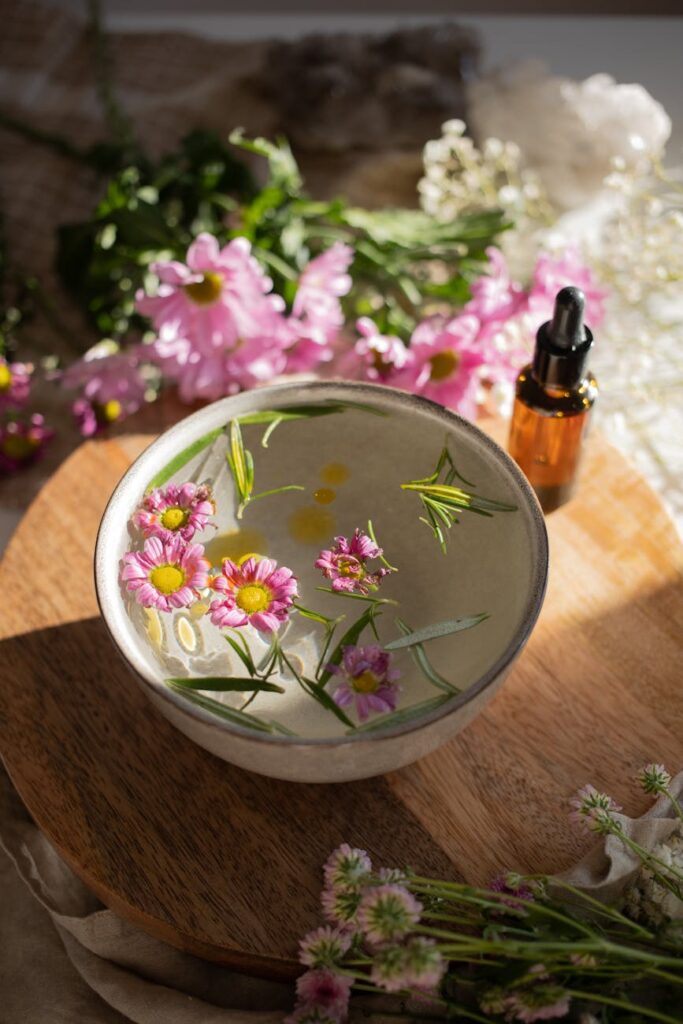
Complete Guide to Floral Hydrosols for Mood Stabilization
Introduction
In the realm of natural wellness, floral hydrosols have emerged as a gentle yet effective tool for emotional balance and mood stabilization. These aromatic waters, derived from the steam distillation of flowers, capture the essence of the plant’s therapeutic properties while being milder than essential oils. This guide aims to explore the nature of floral hydrosols, their benefits, common uses, and applications in aromatherapy, providing a comprehensive resource for those interested in enhancing their emotional well-being through natural means.
What Is Floral Hydrosols for Mood Stabilization?
Floral hydrosols, often referred to as floral waters, are the by-products of the steam distillation process used to extract essential oils from plants. During this process, steam passes through the plant material, capturing essential oils and other volatile compounds. Upon cooling, the steam condenses back into water, resulting in a fragrant liquid that retains many of the plant’s therapeutic qualities but in a diluted form.
Floral hydrosols are distinct from essential oils in that they contain water-soluble compounds, which make them safe for direct skin application and suitable for a variety of uses, including mood stabilization. Their gentle nature makes them an excellent choice for individuals who are sensitive to essential oils or prefer a milder approach to aromatherapy.
Key Benefits and Properties
Floral hydrosols possess several key benefits and properties that contribute to mood stabilization. While each type of hydrosol has its unique characteristics, some common benefits include:
1. Calming Effects: Many floral hydrosols, such as lavender and chamomile, are known for their calming properties, helping to reduce anxiety and promote relaxation.
2. Emotional Balance: Hydrosols like rose and geranium can aid in balancing emotions, providing support during times of stress or emotional upheaval.
3. Soothing Skin: In addition to their mood-stabilizing effects, floral hydrosols can soothe skin irritations and support overall skin health, making them a versatile addition to any wellness routine.
4. Mindfulness and Clarity: Certain hydrosols, such as rosemary, can enhance mental clarity and support focus, aiding in the management of emotional states.
5. Natural Origin: Being plant-based, floral hydrosols are free from synthetic chemicals, making them a preferable choice for those seeking natural remedies.
Common Uses
Floral hydrosols offer a multitude of applications for mood stabilization, including:
1. Facial Toner: Hydrosols can be used as a facial toner to refresh the skin while also providing calming aromatherapy benefits.
2. Room Spray: Spraying floral hydrosols in your living space can create a serene atmosphere, helping to uplift spirits and promote tranquility.
3. Bath Additive: Adding a few tablespoons of hydrosol to a warm bath can enhance relaxation and provide an aromatic experience that supports emotional well-being.
4. Inhalation: Simply inhaling the scent of floral hydrosols can evoke immediate emotional responses, making them an effective tool for on-the-go mood stabilization.
5. Hair Care: Spritzing hydrosols on hair can not only impart a pleasant fragrance but also nourish the scalp, contributing to overall well-being.
Aromatherapy Applications
Incorporating floral hydrosols into aromatherapy practices can amplify their mood-stabilizing effects. Here are some methods for effective use:
1. Diffusion: While floral hydrosols can be used in a diffuser, it’s essential to note that they may not disperse as effectively as essential oils. However, they can be mixed with a small amount of essential oil for enhanced aromatic effects.
2. Personal Inhaler: Creating a personal inhaler with floral hydrosol can provide quick relief during stressful moments. Simply soak a cotton ball with the desired hydrosol and place it in a small, airtight container.
3. Massage: Combining floral hydrosols with carrier oils for massage can enhance relaxation and emotional balance. Choose hydrosols known for their calming properties for this purpose.
4. Meditation Aid: Using floral hydrosols during meditation can deepen the experience, helping to ground the mind and stabilize emotions.
5. Emotional Support Blends: Experimenting with combinations of different floral hydrosols can lead to unique blends that cater to specific emotional needs. For example, combining rose and lavender can create a soothing yet uplifting blend.
Safety Considerations
While floral hydrosols are generally safe for use, it’s important to consider a few safety guidelines:
1. Patch Test: Before applying any hydrosol directly to the skin, conduct a patch test to check for allergic reactions or sensitivities.
2. Dilution: Although floral hydrosols are milder than essential oils, diluting them further in a carrier oil is advisable for sensitive skin or for use on children.
3. Pregnancy and Nursing: Consult a healthcare professional before using floral hydrosols during pregnancy or while nursing, as some may have contraindications.
4. Storage: Store hydrosols in a cool, dark place to prevent degradation. Always check for any changes in color, scent, or clarity before use.
Storage and Shelf Life
Proper storage of floral hydrosols is crucial to maintaining their quality and effectiveness. Here are some tips regarding their shelf life and storage:
1. Shelf Life: Typically, floral hydrosols have a shelf life of 1 to 3 years, depending on the type and how well they are stored. Always check for any signs of spoilage, such as off-smells or cloudiness.
2. Refrigeration: While not necessary, refrigeration can prolong the freshness of hydrosols, especially in warmer climates.
3. Containers: Store hydrosols in dark glass bottles to protect them from light exposure, which can degrade their quality.
4. Labeling: Clearly label each bottle with the contents and date of purchase to keep track of freshness.
Frequently Asked Questions
1. Can I use floral hydrosols on my skin?
Yes, floral hydrosols are safe for most skin types and can be used as facial mists, toners, or in skincare formulations.
2. How do I choose the right floral hydrosol for mood stabilization?
Select a hydrosol based on your specific emotional needs. For relaxation, consider lavender or chamomile. For uplifting effects, rose or geranium may be beneficial.
3. Can I mix different floral hydrosols?
Yes, mixing different hydrosols can create unique blends that cater to your emotional preferences. Experimentation is encouraged.
4. Are floral hydrosols safe for children?
Most floral hydrosols are safe for children, but it is always advisable to consult a healthcare professional and conduct a patch test.
5. Can floral hydrosols replace essential oils?
While floral hydrosols can provide therapeutic benefits, they are generally milder and may not fully replace essential oils in every application. They can, however, complement essential oils effectively.
Conclusion
Floral hydrosols offer a gentle, natural approach to mood stabilization, making them an ideal choice for those seeking emotional balance and well-being. With their myriad applications and benefits, incorporating these aromatic waters into your daily routine can enhance your overall quality of life. Whether used alone or in conjunction with other aromatherapy practices, floral hydrosols serve as a valuable resource in the journey toward emotional health.