
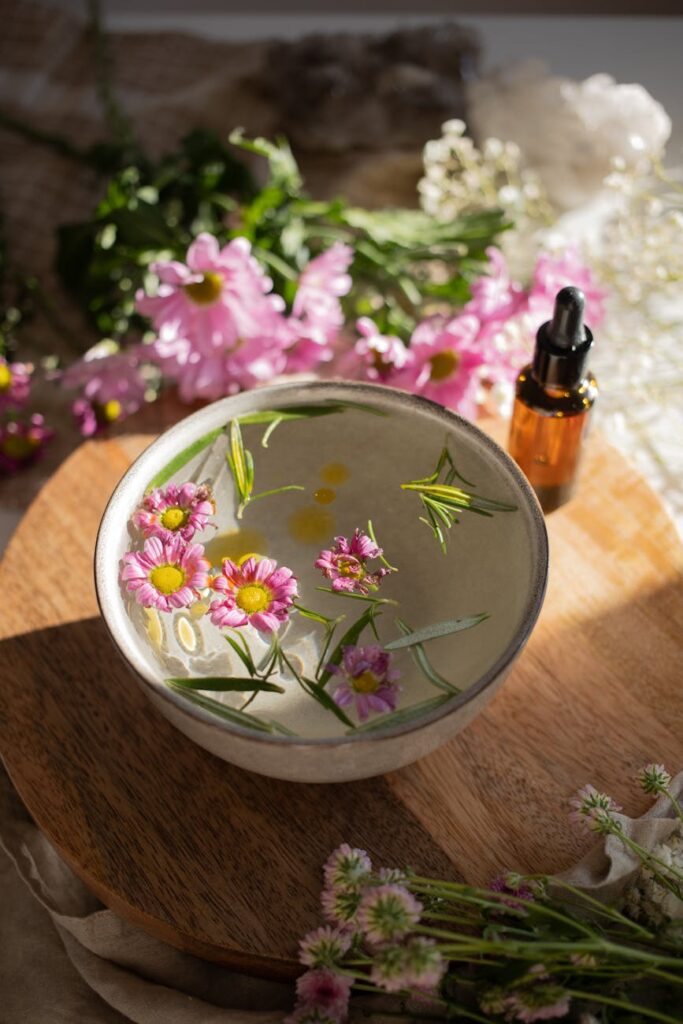
Complete Guide to Floral Hydrosols for Scalp Health
Introduction
Floral hydrosols, often referred to as floral waters or distillates, have gained popularity in recent years for their versatility and gentle properties. These aromatic waters are produced during the steam distillation process of essential oils, capturing the essence of the plant while retaining beneficial compounds. Although they are milder than essential oils, floral hydrosols offer a plethora of advantages, particularly in the realm of scalp health. This guide explores the properties, benefits, applications, and safety considerations of floral hydrosols for maintaining a healthy scalp.
What Is Floral Hydrosols for Scalp Health?
Floral hydrosols are the aromatic, water-soluble byproducts of essential oil distillation. Unlike essential oils, which are concentrated and potent, hydrosols are more diluted and contain a range of therapeutic compounds, including trace amounts of essential oils, plant acids, and other phytochemicals. These gentle formulations can be used directly on the skin and scalp, making them ideal for various applications, including scalp health.
How Floral Hydrosols Work
When applied to the scalp, floral hydrosols penetrate the skin’s outer layers, delivering hydration and soothing properties. Their natural compounds can help balance the scalp’s environment, promoting a healthy atmosphere for hair growth and overall scalp wellness.
Key Benefits and Properties
Floral hydrosols offer a range of benefits for scalp health, depending on the specific plant source. Here are some of the most notable properties:
1. Hydration
Hydrosols are primarily composed of water, making them excellent for hydrating the scalp. A well-hydrated scalp is less likely to become dry or flaky, reducing the risk of conditions like dandruff.
2. Soothing Properties
Many floral hydrosols, such as chamomile and lavender, possess anti-inflammatory and calming properties. They can help alleviate scalp irritation, redness, and itching.
3. Antimicrobial Effects
Certain hydrosols, like rosemary and tea tree, have antimicrobial properties that can combat bacteria and fungi, making them useful for preventing scalp infections and supporting overall scalp hygiene.
4. Balancing Oil Production
Hydrosols can help balance sebum production on the scalp. For individuals with oily or dry scalp conditions, using appropriate floral hydrosols can help regulate oil levels.
5. Stimulating Hair Growth
Some floral hydrosols, particularly those derived from herbs like rosemary, are believed to stimulate blood circulation, potentially promoting healthier hair growth.
Common Uses
Floral hydrosols can be incorporated into your scalp care routine in various ways. Here are some common applications:
1. Scalp Spritz
A simple and effective way to use floral hydrosols is by creating a scalp spritz. Combine 2 ounces of your chosen hydrosol with a few drops of a complementary essential oil in a spray bottle. Use this mixture to refresh your scalp throughout the day.
2. Hair Rinse
After shampooing, use a floral hydrosol as a final rinse. This can help seal in moisture and add a light fragrance to your hair.
3. Scalp Massage
Blend floral hydrosol with carrier oils like jojoba or coconut oil for a scalp massage. This not only nourishes the scalp but also enhances relaxation.
4. Hair Mask
Incorporate floral hydrosols into hair masks for added hydration. Mix with clay, yogurt, or avocado for a nourishing treatment.
5. Soothing Compress
For an irritated or inflamed scalp, apply a compress soaked in floral hydrosol. This can provide immediate relief and help calm the scalp.
Aromatherapy Applications
Floral hydrosols can also be used in aromatherapy, enhancing the overall experience with their calming scents and therapeutic properties. Here are some suggestions for their use in aromatherapy:
1. Diffusion
While hydrosols are primarily used topically, they can be added to a diffuser for a subtle aromatic experience. This can create a calming atmosphere and enhance relaxation.
2. Bath Soak
Add a few ounces of floral hydrosol to your bathwater for a relaxing soak. The gentle aroma can promote a sense of tranquility while supporting scalp health.
3. Facial Steam
Incorporate floral hydrosols into facial steams for a dual benefit: they can help cleanse and hydrate the face while also nourishing the scalp through steam inhalation.
4. Aromatherapy Misting
Create a calming mist by blending floral hydrosol with water and essential oils. This can be used in living spaces or as a refreshing body spray.
Safety Considerations
While floral hydrosols are generally safe for topical use, it’s important to consider the following safety guidelines:
1. Patch Test
Always conduct a patch test before using a new hydrosol to check for any allergic reactions or skin sensitivities. Apply a small amount to a discreet area and wait 24 hours.
2. Dilution
Most floral hydrosols can be used directly on the skin; however, for sensitive skin or specific conditions, diluting with a carrier oil may be advisable.
3. Pregnancy and Nursing
While many floral hydrosols are considered safe during pregnancy and nursing, it’s best to consult with a healthcare professional for personalized guidance.
4. Avoiding Eyes
Take care to avoid contact with the eyes when applying hydrosols to the scalp or hair.
Storage and Shelf Life
Proper storage is essential to maintain the quality and efficacy of floral hydrosols. Here are some tips:
1. Cool, Dark Place
Store floral hydrosols in a cool, dark place, away from direct sunlight and heat sources. This helps preserve their aromatic and therapeutic properties.
2. Use Dark Glass Bottles
Opt for dark glass bottles for storage, as they help protect the hydrosol from light, which can degrade its quality over time.
3. Shelf Life
Most floral hydrosols have a shelf life of 6 months to 2 years, depending on the plant source and storage conditions. Check for any changes in smell or color, which may indicate spoilage.
Frequently Asked Questions
What are the best floral hydrosols for scalp health?
Some popular options include chamomile, lavender, rosemary, and tea tree hydrosols. Each offers unique benefits, so consider your specific scalp needs when choosing one.
Can I mix different floral hydrosols?
Yes, you can blend different floral hydrosols to create a custom formulation that meets your specific needs. Just ensure the combination is compatible and pleasant to your senses.
Are floral hydrosols suitable for all hair types?
Floral hydrosols are generally safe for all hair types. However, individual responses may vary, so it’s advisable to test a small amount before widespread application.
How often can I use floral hydrosols on my scalp?
You can use floral hydrosols daily or as needed. Incorporate them into your routine based on your scalp’s condition and personal preferences.
Can floral hydrosols replace shampoo or conditioner?
While floral hydrosols provide benefits for scalp health, they are best used as complementary treatments rather than substitutes for traditional shampoo or conditioner.
Conclusion
Floral hydrosols are a gentle yet powerful addition to any scalp care routine. Their hydrating, soothing, and balancing properties can contribute to overall scalp health while enhancing the hair’s appearance. By understanding the various applications and safety considerations associated with floral hydrosols, individuals can confidently incorporate these botanical treasures into their daily practices for a healthier scalp and hair.