
Complete Guide to Floral Hydrosols for Skin Hydration
Introduction
Floral hydrosols, sometimes referred to as flower waters, are aromatic waters produced during the steam distillation of plant materials, primarily flowers. While essential oils are the concentrated oil extracted from plants, hydrosols contain the water-soluble components of the plant, offering a gentler alternative with a variety of uses, particularly in skincare. This guide aims to educate readers on the characteristics, benefits, and applications of floral hydrosols for skin hydration.
What Is Floral Hydrosols for Skin Hydration?
Floral hydrosols are the byproduct of essential oil distillation, capturing the essence of the plant while being less concentrated than their oil counterparts. They retain many of the beneficial properties of the plant, albeit in a milder form. Common examples include rose hydrosol, lavender hydrosol, and chamomile hydrosol, each carrying unique characteristics based on the plant from which it derives.
Hydrosols are comprised of water and a small amount of essential oil, making them suitable for a range of applications without the potency typical of essential oils. This quality renders them especially appealing for those with sensitive skin or those looking for a natural method of hydration.
Key Benefits and Properties
1. Skin Hydration: Floral hydrosols are highly effective at providing moisture to the skin. They can be used as a toner, a refreshing mist, or an ingredient in skincare formulations to enhance hydration.
2. Soothing Effects: Many floral hydrosols possess anti-inflammatory properties, making them ideal for calming irritated or sensitive skin. For example, chamomile hydrosol is known for its gentle soothing effects.
3. Antioxidant Properties: Some hydrosols contain natural antioxidants that can help protect the skin from environmental damage. Rose hydrosol, for instance, is recognized for its ability to combat free radicals and promote a youthful appearance.
4. pH Balancing: Floral hydrosols can help restore the skin’s natural pH balance, which is crucial for maintaining healthy skin. This balancing effect can enhance the skin’s overall texture and tone.
5. Aromatherapeutic Benefits: The gentle fragrances of floral hydrosols can uplift the mood and promote relaxation. Incorporating them into skincare routines can provide both physical and emotional benefits.
Common Uses
Floral hydrosols can be employed in various ways to enhance skin hydration and overall skincare routines:
1. Facial Toner: After cleansing, a hydrosol can be used as a toner to balance the skin’s pH and prepare it for moisturizer.
2. Setting Spray: Hydrosols can be used as a setting spray for makeup, providing hydration throughout the day.
3. After-Sun Care: Applying a hydrosol after sun exposure can soothe the skin and help alleviate irritation.
4. Bath Additive: Adding a few drops of floral hydrosol to bath water can enhance the bathing experience, providing both hydration and aromatherapy benefits.
5. Diluted Facial Mist: Hydrosols can be used as a refreshing facial mist throughout the day, especially in dry environments.
Aromatherapy Applications
In addition to their skincare benefits, floral hydrosols can be integrated into various aromatherapy practices:
1. Diffusion: While not as potent as essential oils, some hydrosols can be used in diffusers to add a subtle floral aroma to the environment.
2. Massage: When diluted with carrier oils, floral hydrosols can be used in massage blends, providing hydration while also enhancing the sensory experience.
3. Meditation: Spritzing a hydrosol in the meditation space can create a calming atmosphere, helping to enhance focus and relaxation.
4. Room Sprays: Floral hydrosols can be mixed with other natural ingredients to create room sprays that freshen the air while imparting the therapeutic benefits of the plant.
Safety Considerations
Although floral hydrosols are generally safe for most individuals, certain precautions should be observed:
1. Patch Testing: It is advisable to perform a patch test before using any new hydrosol, especially for those with sensitive skin or allergies.
2. Storage: Hydrosols should be stored in a cool, dark place to preserve their properties. Exposure to light and heat can degrade the quality of the hydrosol.
3. Avoid Contact with Eyes: Care should be taken to avoid contact with the eyes, as some hydrosols may cause irritation.
4. Pregnancy and Nursing: While many hydrosols are considered safe, it is always best to consult a healthcare provider before using them during pregnancy or while nursing.
Storage and Shelf Life
The shelf life of floral hydrosols varies depending on the specific type and how they are stored. Generally, hydrosols can last from 6 months to 2 years when stored properly. To maximize shelf life:
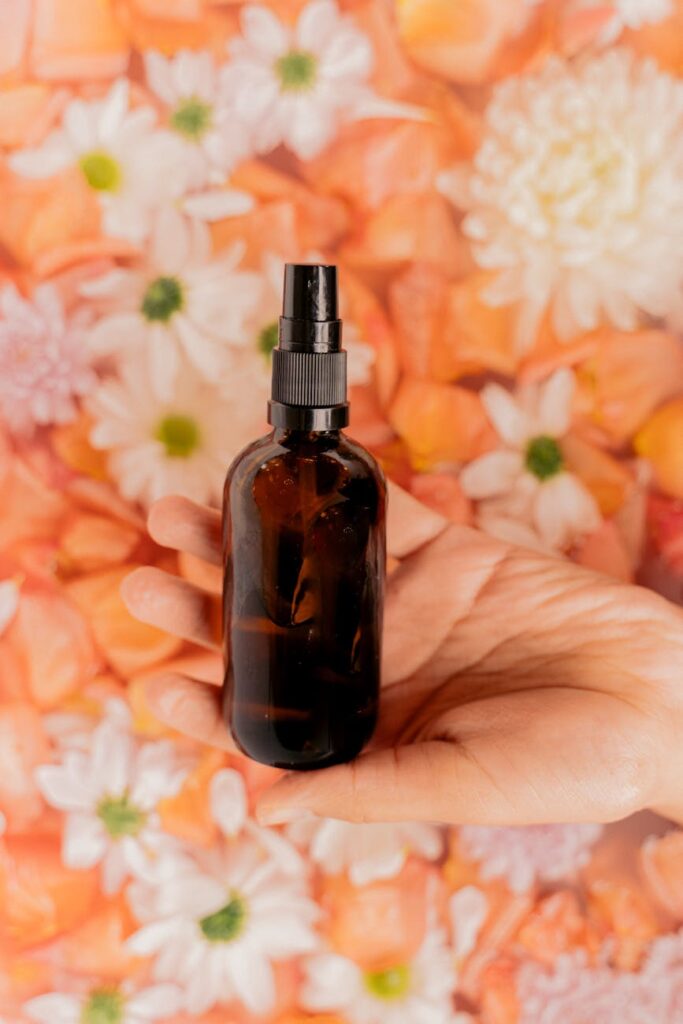
1. Keep in Dark Glass Bottles: Dark glass containers protect the hydrosol from light degradation.
2. Refrigeration: Storing hydrosols in the refrigerator can extend their shelf life and enhance their cooling properties when applied to the skin.
3. Check for Changes: Regularly inspect hydrosols for changes in smell, color, or clarity, as these can be indicators of spoilage.
Frequently Asked Questions
1. Can I use floral hydrosols on all skin types?
Most floral hydrosols are suitable for all skin types, but it is important to choose the right hydrosol for your skin’s specific needs. For example, rose hydrosol is excellent for dry skin, while lavender hydrosol can be beneficial for oily or acne-prone skin.
2. How often should I use floral hydrosols?
Floral hydrosols can be used daily as part of your skincare routine. They can be applied multiple times a day as a refreshing mist or toner.
3. Can I mix different hydrosols together?
Yes, different floral hydrosols can be blended to create a customized mist or toner that suits your preferences and skin needs.
4. Are there any contraindications for using floral hydrosols?
While generally safe, individuals with specific allergies or sensitivities should exercise caution and consult with a healthcare provider if unsure.
5. Can floral hydrosols replace my moisturizer?
While hydrosols provide hydration, they are not a replacement for moisturizers. They can be used in conjunction with a moisturizer to enhance overall skin hydration.
Conclusion
Floral hydrosols are versatile, gentle, and effective options for enhancing skin hydration and overall skincare routines. With a variety of benefits ranging from soothing and balancing properties to their delightful aromas, these floral waters can be an excellent addition to your skincare arsenal. By understanding their uses and properties, you can harness the beneficial qualities of floral hydrosols to nourish and rejuvenate your skin naturally.