
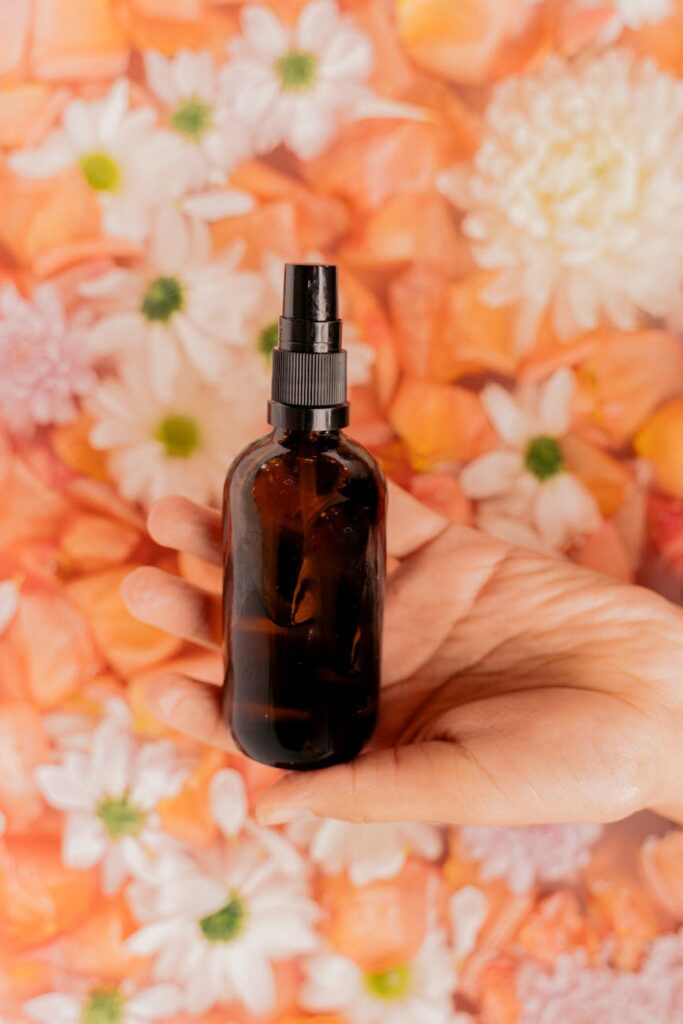
Complete Guide to Floral Hydrosols for Skin Nourishment
Introduction
Floral hydrosols, often referred to as flower waters, have been cherished for centuries for their aromatic and therapeutic properties. Distilled as a byproduct of essential oil extraction, hydrosols are gentle yet effective preparations that can provide various benefits for skin nourishment. This guide aims to explore the world of floral hydrosols, their applications, benefits, and safety considerations, making it a valuable resource for anyone interested in enhancing their skincare routine with natural ingredients.
What Are Floral Hydrosols for Skin Nourishment?
Floral hydrosols are aqueous solutions that result from the steam distillation of plant materials, primarily flowers. During this process, essential oils are extracted, and the remaining water contains a diluted concentration of the plant’s beneficial compounds, including aromatic constituents, trace minerals, and vitamins. The result is a fragrant, hydrating liquid that is milder than essential oils, making hydrosols suitable for a variety of skin types, including sensitive skin.
These hydrosols may be used in their pure form or blended with other ingredients to create skincare products. The gentle nature of floral hydrosols allows them to be easily incorporated into daily routines, offering a holistic approach to skin nourishment.
Key Benefits and Properties
Floral hydrosols are packed with numerous benefits for the skin, including:
- Hydration: Hydrosols provide moisture, helping to keep the skin hydrated and plump. They can be used as facial mists or as a base for lotions and creams.
- Soothing and Calming: Many floral hydrosols, such as chamomile and lavender, have anti-inflammatory properties that can soothe irritated or inflamed skin. They are often employed for their calming effects on both the skin and the mind.
- Antioxidant Protection: Certain hydrosols are rich in antioxidants, which help protect the skin from oxidative stress and environmental damage.
- Balancing pH: Floral hydrosols can help balance the skin’s natural pH levels, promoting a healthy complexion.
- Aromatic Benefits: The inherent aromas of floral hydrosols can have uplifting or calming effects, making them useful in both skincare and aromatherapy practices.
- Facial Mist: A quick spritz of hydrosol can refresh the skin throughout the day, providing hydration and a pleasant aroma.
- Toner: Hydrosols can serve as natural toners to help refine pores, balance skin tone, and prepare the skin for subsequent skincare products.
- Compresses: Soaking a clean cloth in floral hydrosol and applying it as a compress can provide targeted relief for specific areas, such as under the eyes or on irritated patches.
- Bath Additive: Adding a few tablespoons of hydrosol to a bath can create a soothing and aromatic experience.
- Ingredient in DIY Skincare: Floral hydrosols can be incorporated into creams, lotions, and serums to enhance their hydrating and aromatic properties.
- Stress Relief: Hydrosols like lavender and chamomile are renowned for their calming effects. Utilizing them in a diffuser or as a pillow spray can create a serene environment conducive to relaxation.
- Mood Enhancement: Energetic floral scents, such as rose or geranium, can uplift spirits and promote emotional balance. Incorporating these hydrosols into daily routines can provide an aromatic boost.
- Meditation and Mindfulness: Using floral hydrosols during meditation can enhance the sensory experience, making it easier to focus and achieve a state of calm.
- Patch Test: Always conduct a patch test before using a new hydrosol, especially if you have sensitive skin or allergies. Apply a small amount to a discreet area and monitor for any adverse reactions.
- Storage: Store hydrosols in a cool, dark place to preserve their properties. Exposure to light and heat can degrade the quality of the hydrosol.
- Consultation: If you are pregnant, nursing, or have specific skin conditions, it is advisable to consult a qualified healthcare professional before incorporating new products into your routine.
- Dilution: While hydrosols are milder than essential oils, some individuals may choose to dilute them further before application, especially on sensitive areas.
- Refrigeration: Storing hydrosols in the refrigerator can prolong their freshness and efficacy.
- Dark Bottles: Use dark glass containers to shield hydrosols from light damage. Avoid plastic bottles, as they may leach chemicals over time.
- Avoid Contamination: Ensure that no foreign substances enter the bottle during use. Using a pump or spray mechanism can minimize exposure to air and contaminants.
Common Uses
Floral hydrosols can be employed in various ways to enhance skin nourishment:
Aromatherapy Applications
In addition to their skincare benefits, floral hydrosols play a significant role in aromatherapy. Their gentle fragrances can influence mood and emotional well-being. Here are a few notable applications:
Safety Considerations
While floral hydrosols are generally considered safe for most skin types, it is essential to take certain precautions:
Storage and Shelf Life
Floral hydrosols typically have a shelf life ranging from one to two years, depending on the plant source and storage conditions. To maximize their longevity:
Frequently Asked Questions
1. Are floral hydrosols the same as essential oils?
No, floral hydrosols are different from essential oils. While both are produced from the same plants, hydrosols are the water-based byproduct of the distillation process, containing lower concentrations of active compounds compared to essential oils.
2. Can I use floral hydrosols on all skin types?
Floral hydrosols are generally safe for all skin types, including sensitive skin. However, it is always wise to conduct a patch test before widespread use.
3. How should I apply floral hydrosols?
Floral hydrosols can be applied directly to the skin as a mist, used as a toner, or incorporated into other skincare formulations. They can also be enjoyed in aromatherapy practices.
4. Can I make my own floral hydrosols at home?
While it is possible to create hydrosols at home using a distillation apparatus, it requires specific equipment and expertise. For most individuals, purchasing high-quality hydrosols from reputable sources is recommended.
5. What are some popular floral hydrosols?
Some popular floral hydrosols include rose, lavender, chamomile, geranium, and orange blossom. Each has unique properties and benefits, making them suitable for various skin care and aromatherapy applications.
Conclusion
Floral hydrosols represent a gentle and effective approach to skin nourishment, offering an array of benefits ranging from hydration to emotional well-being. By understanding their properties and applications, individuals can harness the power of these aromatic waters in their skincare routines and holistic practices. Whether as a refreshing facial mist or a soothing bath additive, floral hydrosols are a delightful addition to the world of natural beauty and wellness.