
Complete Guide to Floral Hydrosols for Skin Repair
Introduction
Floral hydrosols, often overlooked in the vast world of aromatherapy and essential oils, are a gentle yet effective solution for skin repair. These aromatic waters, produced during the steam distillation process of flowers, carry the essence of the plants while providing a milder alternative to essential oils. With a rich history in traditional medicine and modern skincare, floral hydrosols offer a plethora of benefits for maintaining healthy skin. This guide aims to illuminate the characteristics, benefits, and applications of floral hydrosols, particularly in the context of skin repair.
What Are Floral Hydrosols for Skin Repair?
Floral hydrosols, also known as flower waters or distillates, are aqueous by-products derived from the steam distillation of plant materials, particularly flowers. When essential oils are extracted from plants, the steam condenses back into water, resulting in a fragrant liquid that retains many of the plant’s beneficial properties, albeit in a diluted form. Unlike essential oils, which are highly concentrated and potent, hydrosols are considered gentler and are suitable for a wider range of applications, particularly in skincare.
Common examples of floral hydrosols include rose, lavender, chamomile, and neroli. Each hydrosol carries unique properties that can aid in skin repair, making them invaluable additions to natural skincare routines.
Key Benefits and Properties
Floral hydrosols are celebrated for their myriad benefits, particularly in the realm of skin repair. Here are some of the key properties associated with popular floral hydrosols:
1. Anti-inflammatory: Many floral hydrosols, such as chamomile and rose, possess anti-inflammatory properties that can soothe irritated skin and reduce redness.
2. Antioxidant: Hydrosols from flowers like hibiscus and lavender are rich in antioxidants, helping to combat oxidative stress and promote a youthful appearance.
3. Hydrating: The water content in floral hydrosols provides hydration to the skin, making them excellent for maintaining moisture levels.
4. Balancing: Certain hydrosols, such as geranium, are known for their ability to balance oil production, making them suitable for individuals with oily or combination skin.
5. Calming: The calming scent and properties of floral hydrosols can reduce stress and promote a sense of well-being, which indirectly benefits skin health.
6. Antimicrobial: Some hydrosols, like tea tree and lavender, exhibit antimicrobial properties that can help prevent breakouts and skin infections.
Common Uses
Floral hydrosols can be incorporated into various aspects of skincare due to their gentle nature. Here are some common applications:
1. Facial Toner: Hydrosols can be used as natural toners, helping to balance skin pH, remove impurities, and prepare the skin for further skincare products.
2. Mist: A refreshing facial mist made from floral hydrosols can hydrate and soothe the skin throughout the day, especially in dry environments.
3. Compress: Soaked cotton pads in floral hydrosols can be applied as compresses on irritated or inflamed areas to provide localized relief.
4. Bath Additive: Adding hydrosols to bathwater can enhance relaxation and provide skin benefits through absorption.
5. Ingredient in DIY Skincare: Floral hydrosols can be incorporated into creams, lotions, and serums, enhancing their soothing properties.
6. Hair Care: Certain hydrosols, like rosemary and lavender, can be used in hair rinses to promote scalp health and add shine to hair.
Aromatherapy Applications
The therapeutic benefits of floral hydrosols extend beyond skincare; they also play a significant role in aromatherapy. When inhaled or absorbed through the skin, the aromatic compounds in hydrosols can influence mood and emotional well-being. Here are a few aromatherapy applications:
1. Stress Relief: Lavender and chamomile hydrosols can be used in space sprays or added to diffusers to create a calming atmosphere.
2. Sleep Aid: Hydrosols like rose and neroli can be misted on pillows or bed linens to promote relaxation and improve sleep quality.
3. Meditation: Using floral hydrosols during meditation can enhance focus and create a serene environment, facilitating deeper relaxation.
4. Emotional Balance: Hydrosols such as geranium and ylang-ylang can help balance emotions and uplift mood, providing a holistic approach to well-being.
Safety Considerations
While floral hydrosols are generally safe for most individuals, it is important to keep a few safety considerations in mind:
1. Patch Test: Before using any new product on the skin, a patch test is recommended. Apply a small amount of the hydrosol to an inconspicuous area and observe for any reactions.
2. Sensitivity: Some individuals may be sensitive to certain floral hydrosols. For example, chamomile can cause allergic reactions in those with ragweed allergies.
3. Storage: Store hydrosols in a cool, dark place to prevent degradation. Exposure to heat and light can lead to changes in fragrance and efficacy.
4. Consultation: If you have specific skin concerns or conditions, consider consulting a skincare professional or dermatologist before incorporating new products into your routine.
Storage and Shelf Life
Proper storage is crucial to maintaining the quality and effectiveness of floral hydrosols. Here are some guidelines for storage and understanding shelf life:
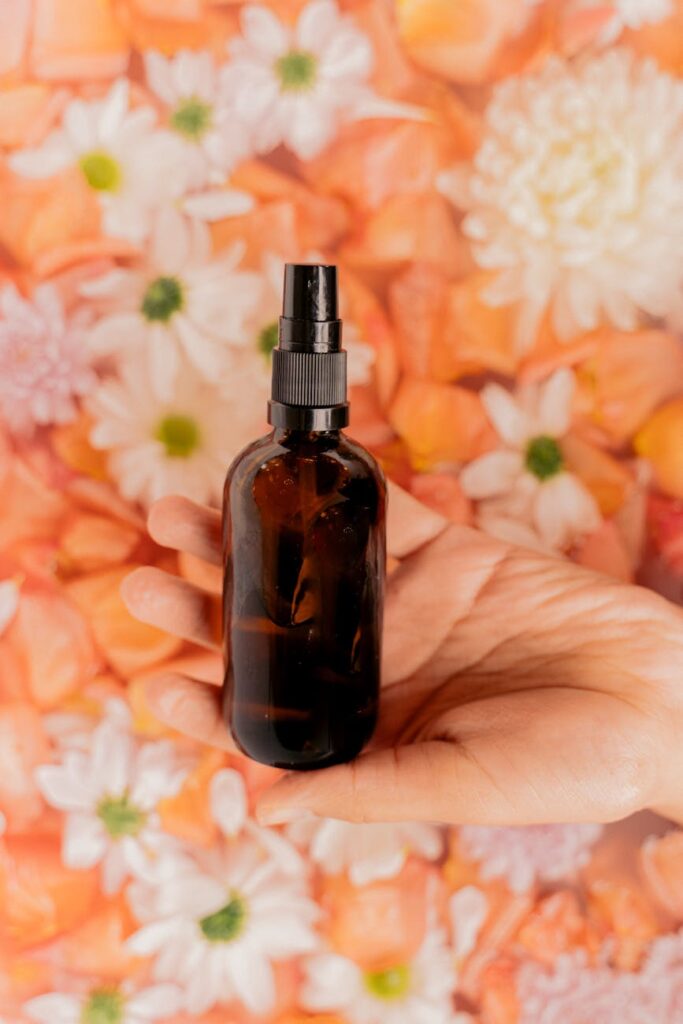
1. Containers: Use dark glass bottles to store hydrosols, as they protect the contents from light and help prevent deterioration.
2. Cool Temperature: Keep hydrosols in a refrigerator or a cool, dark place to extend their shelf life.
3. Expiration: Generally, most floral hydrosols have a shelf life of 6 months to 2 years. However, it is essential to check for changes in smell, color, or clarity, which may indicate spoilage.
4. Labeling: Always label your hydrosols with the date of purchase and intended use to keep track of freshness.
Frequently Asked Questions
1. Can floral hydrosols be used on all skin types?
Yes, floral hydrosols are generally suitable for all skin types, but individual sensitivities may vary. It’s advisable to conduct a patch test before widespread use.
2. How do I incorporate floral hydrosols into my skincare routine?
You can use them as toners, mists, or additive ingredients in creams and lotions. They can also be applied directly to the skin or used in baths.
3. Are floral hydrosols safe for sensitive skin?
Many floral hydrosols are gentle enough for sensitive skin, but it’s best to consult a professional if you have specific concerns.
4. Can I use floral hydrosols in cooking or food preparation?
While some hydrosols are derived from culinary herbs and flowers, it is advisable to use them specifically designed for culinary purposes to ensure safety.
5. How do I know if my hydrosol has gone bad?
Signs of spoilage include a change in smell, color, or clarity. If you notice any of these changes, it is best to discard the hydrosol.
Conclusion
Floral hydrosols are a versatile and gentle option for skin repair, offering a wealth of benefits derived from nature’s rich palette of floral essences. With their hydrating, soothing, and balancing properties, these aromatic waters can enhance skincare routines and promote overall well-being. By understanding their uses, benefits, and safety considerations, individuals can effectively integrate floral hydrosols into their daily lives, harnessing the power of plants for healthier skin.