
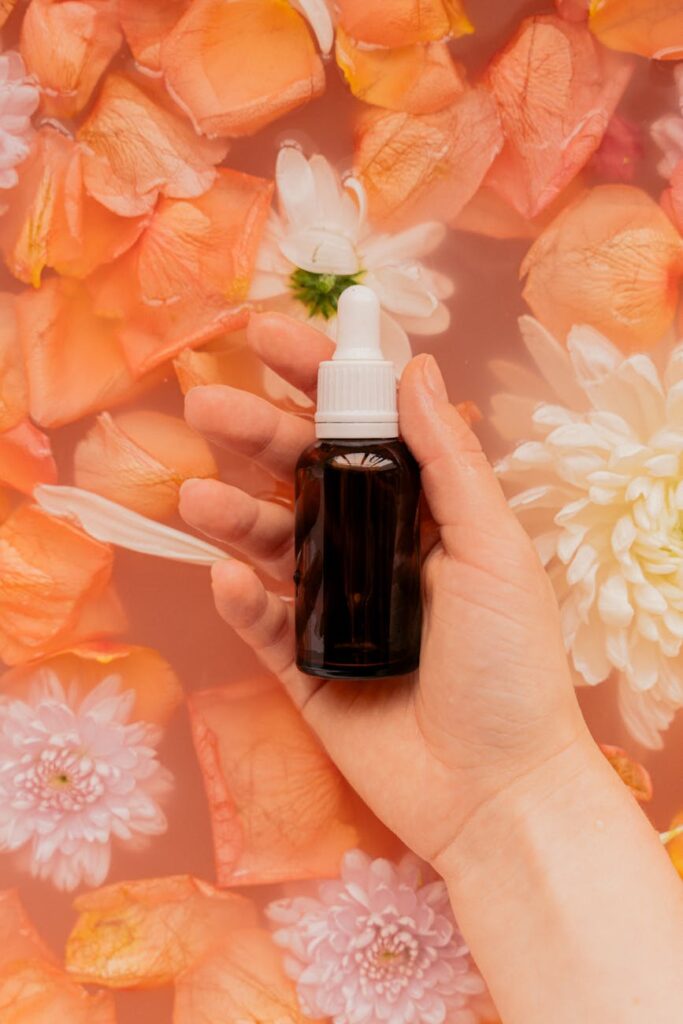
Complete Guide to Floral Hydrosols for Skin Soothing
Introduction
Floral hydrosols, often referred to as floral waters or distillates, are the aromatic waters that remain after the steam distillation of essential oils from flowers, leaves, and other plant materials. These gentle, fragrant liquids possess the essence of the plant’s therapeutic properties, making them an ideal choice for skin soothing and care. This guide aims to provide a comprehensive understanding of floral hydrosols, their benefits, common uses, and safety considerations.
What Are Floral Hydrosols for Skin Soothing?
Floral hydrosols are produced through the process of steam distillation, where steam passes through plant materials, capturing essential oils and water-soluble compounds. The result is a delicate, aromatic liquid that retains many of the plant’s beneficial properties, albeit in a milder form than essential oils.
For skin soothing, floral hydrosols can offer hydration, calming effects, and a refreshing touch to various skincare routines. Common examples include rose, lavender, chamomile, and geranium hydrosols, each possessing distinct qualities that can benefit the skin.
Key Benefits and Properties
The benefits of floral hydrosols extend beyond their pleasant scents. Here are some key properties that contribute to their efficacy in skin care:
1. Hydration
Floral hydrosols provide a light, refreshing hydration to the skin, making them an excellent choice for those with dry or sensitive skin. They can be used as a toner or mist to maintain moisture levels throughout the day.
2. Anti-inflammatory Properties
Many floral hydrosols, such as chamomile and lavender, possess anti-inflammatory properties that can help soothe irritated skin, reduce redness, and calm conditions like eczema or rosacea.
3. Antioxidant Effects
Floral hydrosols contain antioxidants that can help protect the skin from environmental stressors, contributing to a healthier and more radiant complexion.
4. Balancing
Certain hydrosols, like geranium, have balancing properties that can help regulate oil production in the skin, making them suitable for both dry and oily skin types.
5. Aromatic Benefits
The subtle fragrances of floral hydrosols can also provide emotional and mental wellness benefits, enhancing mood and promoting relaxation.
Common Uses
Floral hydrosols can be incorporated into various skincare routines and applications. Here are some of the most common uses:
1. Facial Toner
Using floral hydrosols as a toner can help balance the skin’s pH and prepare it for further treatments. Simply apply with a cotton pad or spritz directly onto the face.
2. After-Sun Care
The soothing properties of hydrosols like lavender and chamomile make them excellent for calming sunburnt skin. They can be sprayed directly onto the affected areas for relief.
3. Makeup Setting Spray
Floral hydrosols can act as a natural makeup setting spray, providing hydration and a dewy finish.
4. Soothing Bath Additive
Adding floral hydrosols to bathwater can create a fragrant and soothing experience, perfect for relaxation after a long day.
5. Hair Care
Hydrosols can be used as hair mists to refresh and hydrate the scalp, especially those with properties like rosemary or lavender.
Aromatherapy Applications
In addition to their skincare benefits, floral hydrosols can be integrated into aromatherapy practices:
1. Diffusion
Hydrosols can be used in diffusers to create a calming atmosphere. Their gentle scent can enhance relaxation and promote a sense of well-being.
2. Massage
Diluted floral hydrosols can be used as a massage medium, providing both scent and skin benefits during the treatment.
3. Meditation
Incorporating floral hydrosols into meditation practices can enhance focus and create a serene environment. Spraying a hydrosol in the meditation space can invigorate the senses.
Safety Considerations
While floral hydrosols are generally safe for most individuals, it’s essential to observe a few safety considerations:
1. Patch Test
Before using a new hydrosol, conduct a patch test by applying a small amount to a discreet area of skin to check for any adverse reactions.
2. Dilution
Although floral hydrosols are milder than essential oils, it is advisable to dilute them further when using them on sensitive skin, especially for children and those with allergies.
3. Storage
Store floral hydrosols in a cool, dark place to maintain their efficacy. Avoid exposure to direct sunlight, as it can alter the properties of the hydrosol.
4. Expiration
Although floral hydrosols have a relatively long shelf life, they are not indefinite. Always check for any changes in scent or appearance, as this may indicate spoilage.
Storage and Shelf Life
Floral hydrosols typically have a shelf life ranging from six months to two years, depending on the type and storage conditions. Here are some tips for proper storage:
1. Use Dark Glass Bottles: If possible, store hydrosols in dark glass bottles to protect them from light exposure.
2. Refrigeration: For extended shelf life, consider refrigerating hydrosols, especially those that are more susceptible to spoilage.
3. Seal Tightly: Ensure the bottle is tightly sealed to prevent contamination and evaporation.
Frequently Asked Questions
1. Can I use floral hydrosols every day?
Yes, floral hydrosols are gentle and can be used daily as part of your skincare routine, whether as a toner, mist, or in other applications.
2. Are hydrosols suitable for sensitive skin?
Many floral hydrosols are safe for sensitive skin, but it is always advisable to conduct a patch test first.
3. How do I choose the right floral hydrosol for my skin type?
Consider your skin’s specific needs. For example, hydrosols like chamomile and rose are excellent for calming irritated skin, while geranium can help balance oily skin.
4. Can I mix different floral hydrosols?
Yes, mixing different floral hydrosols can create unique blends that cater to your skincare needs. However, ensure compatibility and patch test the blend before application.
5. Where can I buy high-quality floral hydrosols?
Look for reputable suppliers that specialize in organic or pure hydrosols. Always read product descriptions and customer reviews to ensure quality.
Conclusion
Floral hydrosols offer a versatile and gentle approach to skincare and wellness. Their soothing properties, combined with their delightful fragrances, make them a valuable addition to any natural skincare regimen. By understanding their benefits, common uses, and safety considerations, you can harness the power of floral hydrosols for a more balanced and radiant complexion.