
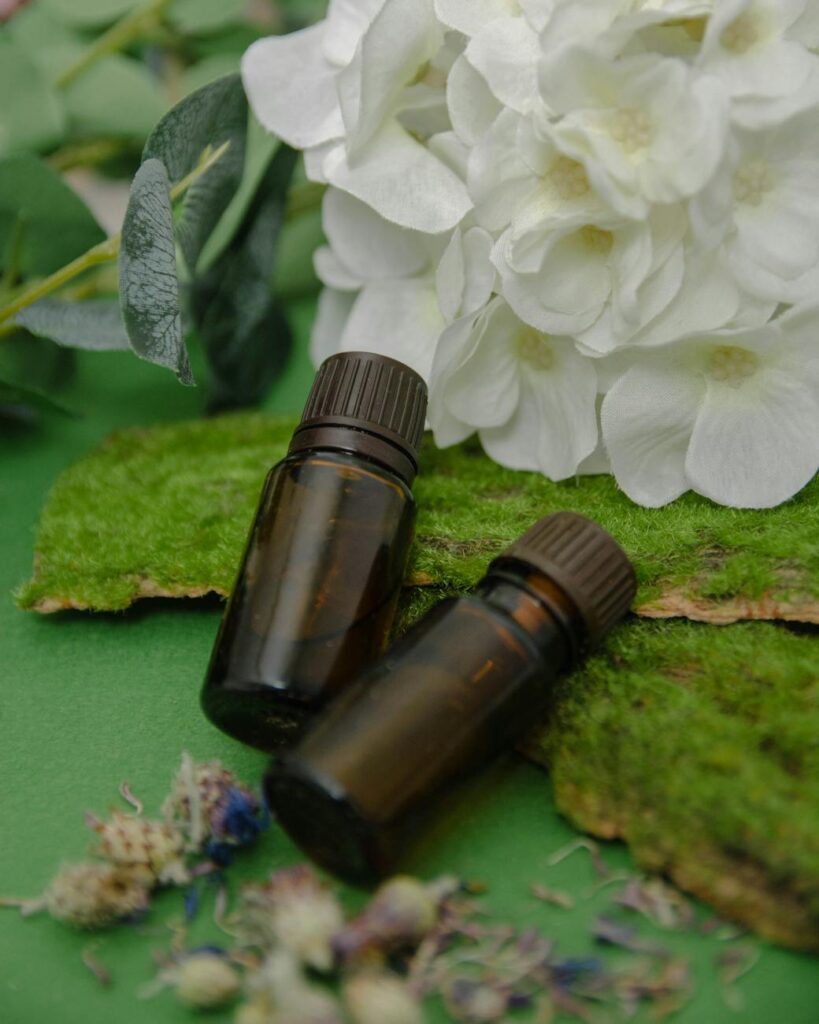
Complete Guide to Floral Hydrosols for Wound Care
Introduction
Floral hydrosols, also known as floral waters or hydrolats, are the aromatic waters that remain after the steam distillation of plant materials. Renowned for their delicate scents and therapeutic properties, floral hydrosols have been used for centuries in various cultures for skincare, culinary purposes, and medicinal applications. This guide will delve into the use of floral hydrosols specifically for wound care, exploring their benefits, applications, and safety considerations.
What Are Floral Hydrosols for Wound Care?
Floral hydrosols are produced during the distillation process of essential oils. While essential oils are concentrated extracts containing the volatile compounds of plants, hydrosols retain a more balanced composition of both water-soluble and non-volatile compounds. This makes them gentler on the skin, which is particularly beneficial for wound care.
Certain floral hydrosols, such as those derived from rose, chamomile, and lavender, possess properties that can support the healing process. They are often used in various forms, including sprays, compresses, or added to formulations for topical application.
Key Benefits and Properties
1. Antimicrobial Properties: Many floral hydrosols exhibit antimicrobial effects that can help prevent infection in wounds. The presence of natural compounds can inhibit the growth of bacteria and fungi, promoting a cleaner healing environment.
2. Anti-inflammatory Effects: Inflammation is a natural response to injury, but excessive inflammation can hinder healing. Hydrosols like chamomile and lavender are known for their anti-inflammatory properties, helping to soothe irritated skin and reduce swelling.
3. Moisturizing: Hydrosols provide a hydrating effect that can keep the skin barrier intact, enhancing the healing process. The water content helps maintain moisture levels, which is crucial for the regeneration of skin cells.
4. Skin Regeneration: Some floral hydrosols, such as rose, are believed to promote cell regeneration. This can be particularly beneficial for wounds, as it may aid in faster recovery and reduced scarring.
5. Cooling Sensation: The application of floral hydrosols can produce a cooling effect, providing immediate relief to painful or irritated skin areas.
Common Uses
Floral hydrosols can be integrated into various wound care routines. Here are some common applications:
- Direct Application: Hydrosols can be sprayed directly onto cleaned wounds to soothe and hydrate the area. This can be done multiple times a day, depending on the severity of the wound.
- Soothing Compresses: Soaking a clean cloth in a floral hydrosol and applying it as a compress can provide targeted relief to inflamed or painful areas.
- Bath Additives: Adding floral hydrosols to bath water can create a soothing soak for minor skin irritations or wounds, promoting overall skin health.
- In Formulations: Hydrosols can be used as a base in homemade creams, ointments, or lotions designed for wound care.
- Diffusion: Floral hydrosols can be used in a diffuser to create a calming atmosphere. Scents like lavender are known for their relaxing properties, which can help ease stress and anxiety associated with injury.
- Room Spray: Mixing floral hydrosols with distilled water can create a natural room spray, enhancing the ambiance of a space and providing a subtle fragrance.
- Bath Rituals: Incorporating floral hydrosols into bath rituals can enhance the relaxing experience, promoting both physical and emotional healing.
- Patch Test: It is advisable to conduct a patch test before applying any new hydrosol to ensure no allergic reactions occur. Apply a small amount on a discreet area of skin and wait for 24 hours.
- Dilution: Although hydrosols are milder than essential oils, some individuals may still experience sensitivity. Dilution with water or carrier oils may be necessary, especially for sensitive skin.
- Consultation: While floral hydrosols are generally safe, individuals with existing skin conditions or those who are pregnant or breastfeeding should consult a healthcare professional before use.
- Avoid Eye Contact: Care should be taken to avoid contact with the eyes, as the substances may cause irritation.
- Cool, Dark Place: Store floral hydrosols in a cool, dark area, away from direct sunlight and heat sources, which can degrade their properties.
- Tightly Sealed Containers: Use airtight containers to prevent contamination and oxidation. Glass bottles are preferred as they do not react with the hydrosol.
- Refrigeration: While not always necessary, some users prefer to refrigerate hydrosols to enhance their refreshing qualities and extend shelf life.
- Shelf Life: Floral hydrosols typically have a shelf life of 6 months to 2 years, depending on the type and storage conditions. Always check for changes in smell or appearance before use.
Aromatherapy Applications
In addition to their topical uses, floral hydrosols can also be incorporated into aromatherapy practices. The gentle scents of floral hydrosols can promote relaxation and emotional well-being, which can be beneficial during the healing process. Here are some ways to utilize hydrosols in aromatherapy:
Safety Considerations
While floral hydrosols are generally considered safe for topical use, several precautions should be taken:
Storage and Shelf Life
Proper storage of floral hydrosols is essential for maintaining their quality and effectiveness. Here are some tips for optimal storage:
Frequently Asked Questions
1. Can I use floral hydrosols for all types of wounds?
While many floral hydrosols can be beneficial for minor cuts, scrapes, and skin irritations, it is essential to consult with a healthcare professional for severe wounds or conditions.
2. Are there specific hydrosols I should use for wound care?
Rose, chamomile, lavender, and tea tree hydrosols are commonly recommended for their soothing and healing properties. Each hydrosol has unique attributes, so it’s beneficial to choose one that aligns with your specific needs.
3. How often should I apply floral hydrosols to a wound?
Hydrosols can be applied 2-3 times a day, or as needed, depending on the severity of the wound and the individual’s comfort level.
4. Are floral hydrosols safe for children?
Many floral hydrosols are safe for children, but always conduct a patch test and consult with a healthcare professional if there are any concerns.
5. Can I use floral hydrosols in combination with other treatments?
Floral hydrosols can often complement other topical treatments, but it’s advisable to consult with a healthcare professional to ensure compatibility.
Conclusion
Floral hydrosols offer a gentle and effective approach to wound care, harnessing the natural properties of plants to support healing and soothe the skin. Their versatility extends beyond wound treatment, finding applications in aromatherapy and general skincare. By understanding the benefits, uses, and safety considerations of floral hydrosols, individuals can incorporate these botanical treasures into their holistic care routines. Always remember to prioritize safety and seek professional guidance when necessary for optimal results.