
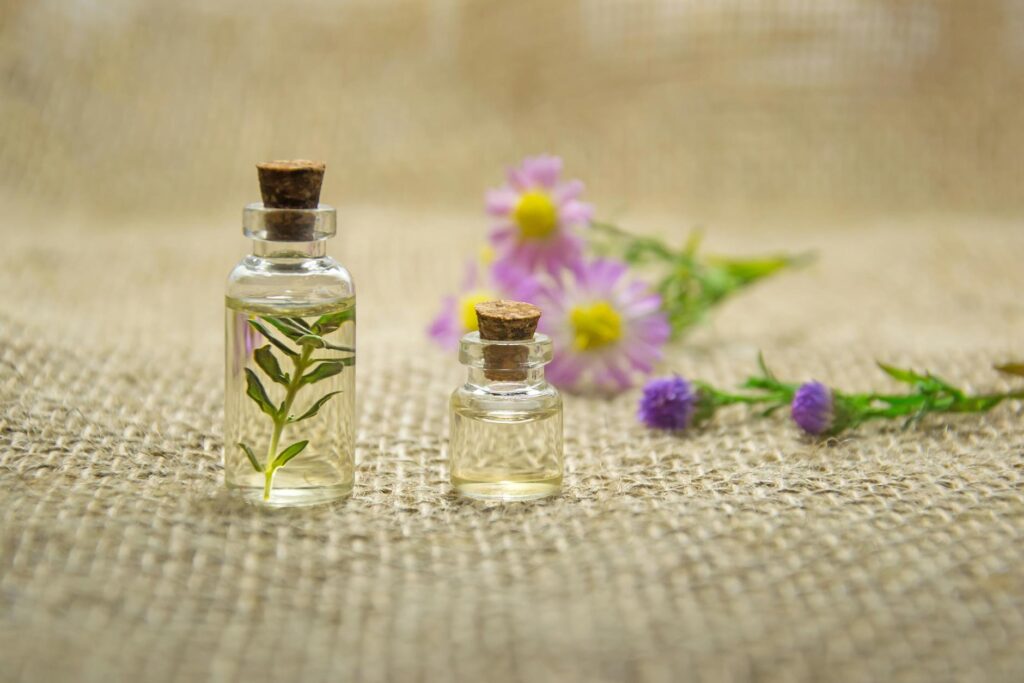
Complete Guide to Floral Hydrosols
Introduction
Floral hydrosols, also known as floral waters, are aromatic byproducts of the steam distillation process used to extract essential oils from plant materials. Unlike essential oils, which are concentrated and potent, hydrosols contain a lower concentration of essential oil compounds, making them gentler and more versatile for various applications. This guide explores the nature, benefits, and uses of floral hydrosols, providing a comprehensive understanding of their role in aromatherapy and holistic practices.
What Is Floral Hydrosols?
Floral hydrosols are aqueous solutions that capture the essence of the plant from which they are derived. When plant materials—such as flowers, leaves, or stems—are subjected to steam distillation, the steam carries volatile compounds away from the plant. As the steam cools, it condenses into water, creating a liquid that contains both the essential oil and water-soluble components of the plant. The result is a fragrant, therapeutic water that retains many of the plant’s beneficial properties.
Common examples of floral hydrosols include:
- Rose Hydrosol: Extracted from rose petals, known for its soothing and hydrating properties.
- Lavender Hydrosol: Derived from lavender flowers, recognized for its calming and balancing effects.
- Chamomile Hydrosol: Obtained from chamomile flowers, appreciated for its gentle, anti-inflammatory benefits.
- Skincare: Used as facial mists, toners, or in homemade skincare products for their hydrating and soothing properties.
- Hair Care: Applied as hair rinses or sprays to enhance shine and manageability.
- Home Fragrance: Used in room sprays or diffusers to create a pleasant and uplifting atmosphere.
- Bathing: Added to bath water for a fragrant and relaxing experience.
- Culinary: Some hydrosols can be used in cooking and baking to impart subtle floral flavors.
- Facial Mists: Hydrosols can be used as facial mists to refresh the skin throughout the day. Rose hydrosol, for example, is often favored for its hydrating and toning effects.
- Blending with Essential Oils: Hydrosols can act as a carrier for essential oils when creating sprays or blends, offering a milder alternative to using carrier oils.
- Meditation and Relaxation: The calming scents of chamomile or lavender hydrosols can enhance meditation practices or relaxation techniques, promoting a tranquil environment.
- Stress Relief: The use of floral hydrosols in diffusers can help in reducing stress and anxiety, making them a valuable addition to wellness routines.
- Refrigeration: Keeping hydrosols in the refrigerator can extend their shelf life by slowing down the degradation process.
- Dark Glass Bottles: Store hydrosols in dark glass bottles to protect them from light exposure, which can degrade their quality.
- Sealed Containers: Ensure that containers are tightly sealed to prevent contamination and oxidation.
- Check for Signs of Spoilage: Be aware of changes in color, scent, or consistency, which may indicate spoilage.
Key Benefits and Properties
Floral hydrosols offer a range of benefits and properties that make them appealing for various applications:
1. Gentle and Safe: Hydrosols are milder than essential oils, making them suitable for sensitive skin and for use in children and pets.
2. Hydration: Hydrosols can act as natural moisturizers, providing hydration to the skin without the heaviness associated with oils.
3. Anti-inflammatory: Many floral hydrosols possess anti-inflammatory properties, helping to soothe irritation and redness in the skin.
4. Antiseptic and Astringent: Some hydrosols, like witch hazel, have antiseptic qualities that can aid in minor cuts and skin irritations.
5. Mood Enhancement: The aromatic properties of hydrosols can have a positive impact on mood, promoting relaxation and emotional balance.
6. Toning: Certain hydrosols are excellent toners for the skin, helping to balance oil production and refine pores.
Common Uses
Floral hydrosols can be utilized in a variety of settings, including:
Aromatherapy Applications
In aromatherapy, floral hydrosols serve multiple purposes:
Safety Considerations
While floral hydrosols are generally safe for most people, it is essential to consider the following safety guidelines:
1. Patch Test: Conduct a patch test when using a new hydrosol to ensure there are no adverse reactions, especially for those with sensitive skin.
2. Dilution: Although hydrosols are milder than essential oils, some individuals may still prefer to dilute them further, especially when applying to sensitive areas.
3. Quality: Ensure that hydrosols are sourced from reputable suppliers. Look for organic and pure products without additives or preservatives.
4. Storage: Store hydrosols in cool, dark places to maintain their efficacy and freshness.
5. Avoid Eye Contact: Take care to avoid contact with the eyes, as some hydrosols may cause irritation.
Storage and Shelf Life
The shelf life of floral hydrosols varies depending on the type and quality of the product, but generally, they can last from 6 months to 2 years. Here are some tips for optimal storage:
Frequently Asked Questions
1. How are floral hydrosols different from essential oils?
Floral hydrosols are the water-soluble byproducts of essential oil distillation, containing lower concentrations of aromatic compounds. Essential oils are concentrated and potent, while hydrosols are gentler and safer for direct application.
2. Can I use floral hydrosols on my skin?
Yes, floral hydrosols are generally safe for topical use. However, it is advisable to conduct a patch test before applying them extensively, particularly on sensitive skin.
3. Are floral hydrosols safe for children and pets?
Most floral hydrosols are safe for children and pets, but it is recommended to consult with a knowledgeable professional or conduct research on specific hydrosols before using them around young children or animals.
4. Can I consume floral hydrosols?
Some floral hydrosols are safe for culinary use, while others may not be suitable for consumption. Always check labels and consult reliable sources to determine if a specific hydrosol can be ingested.
5. How can I incorporate floral hydrosols into my daily routine?
Floral hydrosols can be used as facial mists, in skincare routines, as room sprays, or added to baths. Their versatility allows for easy incorporation into various aspects of daily life.
Conclusion
Floral hydrosols offer a gentle, versatile approach to incorporating the benefits of plants into everyday life. Their soothing properties, aromatic qualities, and practical applications make them valuable additions to skincare, wellness, and aromatherapy practices. By understanding the nature and uses of floral hydrosols, individuals can harness their potential to enhance both their physical and emotional well-being.