
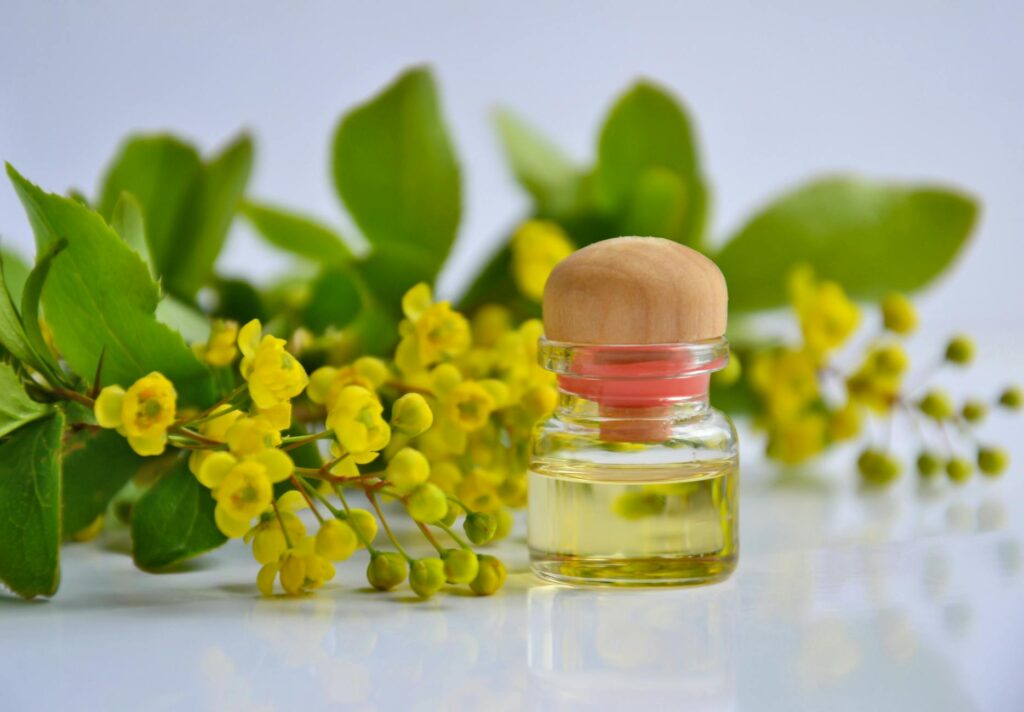
Complete Guide to Floral Infusions
Introduction
Floral infusions have captivated humanity for centuries, serving not only as a source of beauty and fragrance but also as a means of enhancing well-being. These aromatic blends, derived from a variety of flowers, have a rich history rooted in cultural practices around the globe. This guide aims to provide a comprehensive understanding of floral infusions, exploring their benefits, uses, and safety considerations.
What Is Floral Infusions?
Floral infusions are created by steeping flowers in a solvent, typically water or oil, to extract their aromatic compounds. This process allows for the transfer of the flowers’ natural fragrances, flavors, and beneficial properties into the medium. The resulting infusion can be used for a variety of applications, ranging from culinary uses to personal care products.
The infusion process can vary in complexity, from simple hot or cold infusions to more intricate methods such as steam distillation. Hot infusions involve boiling water poured over the flowers, while cold infusions require allowing the flowers to steep in cold water or oil over a longer period. The choice of method often depends on the intended use and the type of flower being infused.
Key Benefits and Properties
Floral infusions possess a range of benefits that can enhance personal well-being and overall experience. Here are some of the notable properties:
Aromatic Qualities
One of the most prominent features of floral infusions is their aromatic quality. The scent of flowers can evoke emotions, stimulate memories, and create a calming atmosphere. The olfactory system is closely linked to the limbic system, which governs emotions, making these infusions powerful tools for mood enhancement.
Skin and Hair Care
Many floral infusions, such as rose or lavender, are celebrated for their skin-soothing properties. They can be incorporated into skincare routines to hydrate, nourish, or soothe irritated skin. Additionally, some floral infusions can be beneficial for hair, promoting shine and reducing scalp irritation.
Culinary Uses
Certain floral infusions have culinary applications, adding unique flavors and aromas to dishes and beverages. For example, chamomile infusions can be used in teas, while hibiscus can add a tart flavor to syrups and cocktails. As with any ingredient, it’s essential to ensure that the flowers used are safe for consumption.
Emotional and Mental Wellness
The scent of floral infusions can have a positive impact on emotional and mental well-being. Floral scents are often associated with relaxation and stress relief, making them popular choices in aromatherapy and mindfulness practices.
Common Uses
Floral infusions can be utilized in various ways, depending on the desired outcome. Some common uses include:
Skincare Products
Floral infusions can be incorporated into lotions, creams, and toners. They can provide hydration, soothe inflammation, and enhance the overall scent of the product.
Hair Care Products
Infusions can be used in shampoos, conditioners, and hair treatments, offering benefits such as moisture, shine, and soothing properties for the scalp.
Culinary Creations
Infusions can enhance the flavor profile of teas, syrups, and desserts. They can also be used in salad dressings and marinades, adding a unique twist to traditional recipes.
Aromatherapy
As essential components of aromatherapy, floral infusions can be diffused, added to baths, or used in massage oils to promote relaxation and emotional balance.
Home Fragrance
Floral infusions can also be used in DIY home fragrance products, such as potpourri, scented sachets, and room sprays, creating a pleasant atmosphere in living spaces.
Aromatherapy Applications
In aromatherapy, floral infusions can be employed to create a calming and uplifting environment. Here are some popular floral infusions and their common applications:
Lavender
Known for its soothing properties, lavender infusion is often used to promote relaxation and reduce anxiety. It can be added to bathwater, used in diffusers, or incorporated into massage oils.
Rose
Rose infusion is celebrated for its romantic scent and skin-nourishing properties. It can be used in facial mists, body scrubs, and as a calming agent in stressful situations.
Jasmine
Jasmine infusion is often associated with promoting feelings of happiness and boosting confidence. It can be integrated into perfumes, candles, and relaxation blends.
Chamomile
Chamomile infusion is widely used for its calming effects. It can be added to sleep sprays or used in bedtime routines to promote restful sleep.
Ylang Ylang
Ylang ylang infusion is known for its exotic scent and mood-enhancing properties. It is commonly found in perfumes and can be used in diffusers for a romantic ambiance.
Safety Considerations
While floral infusions offer various benefits, it is important to consider safety when using them. Here are some key points to keep in mind:
Allergies and Sensitivities
Individuals with allergies or sensitivities to specific flowers should exercise caution when using floral infusions. It is advisable to perform a patch test on the skin before applying any infused product.
Quality of Ingredients
Always use high-quality, organic flowers to ensure that the infusion is free from pesticides or harmful chemicals. If using for culinary purposes, make sure the flowers are labeled as edible.
Dilution
When using floral infusions in essential oils or concentrated forms, proper dilution is crucial to prevent skin irritation or adverse reactions.
Consultation
If you have existing health conditions or are pregnant, it is recommended to consult with a healthcare professional before incorporating floral infusions into your routine.
Storage and Shelf Life
Proper storage is essential to maintain the quality and longevity of floral infusions. Here are some guidelines:
Glass Containers
Store floral infusions in dark glass bottles to protect them from light degradation. Clear containers can expose the infusion to light, which may diminish its potency.
Cool, Dark Place
Keep the infusions in a cool, dark location, away from direct sunlight and heat sources, to preserve their aromatic properties.
Shelf Life
The shelf life of floral infusions can vary depending on the type of flower and the method of infusion. Generally, most infusions can last between six months to a year if stored properly. Always check for changes in color, scent, or texture before use.
Frequently Asked Questions
1. How do I make a floral infusion?
To make a simple floral infusion, use the following steps:
1. Choose your flowers (ensure they are safe and edible if using for culinary purposes).
2. Measure the desired amount of flowers and place them in a heatproof container.
3. Pour hot water or oil over the flowers, ensuring they are fully submerged.
4. Cover and let steep for several hours or overnight for a more potent infusion.
5. Strain the mixture and store in a sealed container.
2. Can I use dried flowers for infusions?
Yes, dried flowers can be used for infusions. They often have concentrated flavors and aromas, making them suitable for culinary and aromatic applications.
3. Are floral infusions safe for children?
While many floral infusions are generally considered safe for children, it is advisable to consult with a healthcare professional before introducing any new products, especially for younger children or those with known allergies.
4. How can I incorporate floral infusions into my daily routine?
Floral infusions can easily be integrated into daily routines through skincare products, teas, culinary dishes, or aromatherapy practices. Experiment with different flowers and methods to find what works best for you.
Conclusion
Floral infusions are a delightful and versatile addition to various aspects of life, from enhancing culinary experiences to promoting emotional well-being. Understanding their benefits and applications can enable individuals to harness the power of flowers in a meaningful way. As with any natural product, it is essential to approach floral infusions with mindfulness and care, ensuring safe and effective use in daily practices.