
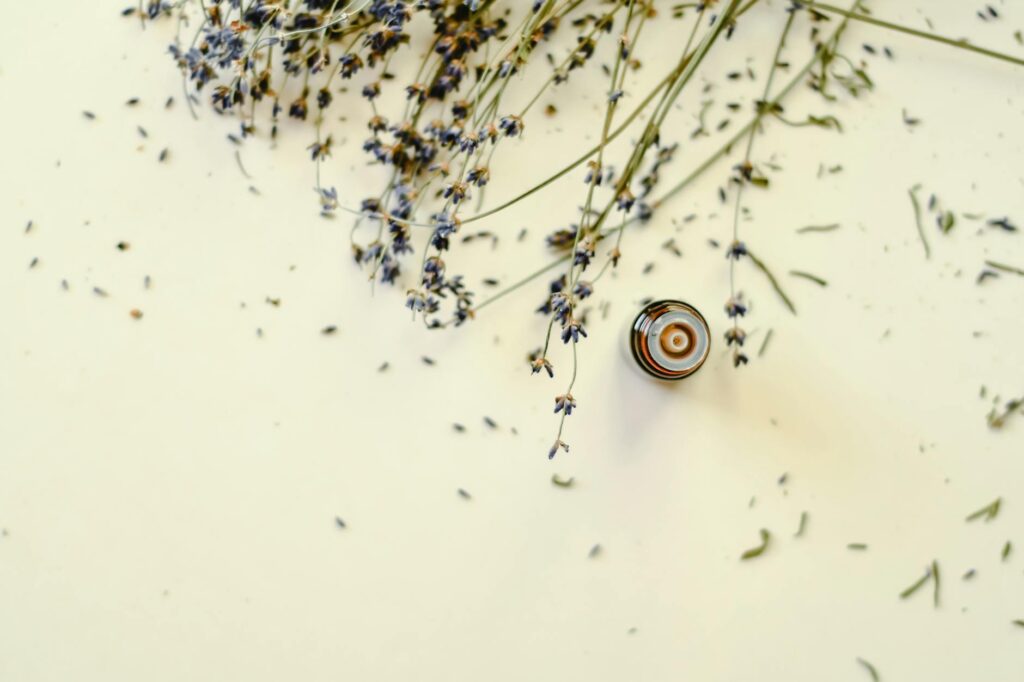
Complete Guide to Floral Waters Part 1
Introduction
In recent years, the popularity of natural and holistic wellness products has surged, leading to an increased interest in essential oils and their derivatives. Among these derivatives, floral waters—also known as hydrosols—have garnered significant attention for their versatility and gentleness. This guide aims to explore the world of floral waters, detailing their properties, uses, and applications in various practices, including aromatherapy.
What Is Floral Waters?
Floral waters are aromatic byproducts of essential oil distillation. When essential oils are extracted through steam distillation, the steam collects volatile compounds from the plant material, which then condenses back into liquid form. The result is two distinct products: essential oils, which are concentrated and potent, and floral waters, which are the more diluted, aromatic waters containing water-soluble compounds and trace amounts of essential oils.
Floral waters can be derived from a variety of plants, including flowers, herbs, and spices. Some of the most popular floral waters include rose water, lavender water, and orange blossom water. Each type carries its unique scent profile and properties, making them suitable for various applications.
Key Benefits and Properties
Floral waters offer several benefits and characteristics that make them appealing for a range of uses:
1. Mildness: Unlike essential oils, floral waters are gentler on the skin and can be used safely by individuals with sensitive skin or those seeking a subtler aromatic experience.
2. Hydration: Many floral waters possess hydrating properties, making them beneficial for skincare. They can help to soothe and moisturize the skin.
3. Aroma: Floral waters carry the delicate scents of their source plants, providing a pleasant fragrance that can uplift the mood and create a calming environment.
4. Therapeutic Qualities: While floral waters are not a substitute for essential oils in therapeutic applications, they do retain some of the beneficial properties of the plants from which they are derived, such as calming effects or skin-soothing properties.
5. Versatility: Floral waters can be used in a variety of ways, from topical applications to culinary uses, making them a versatile addition to any natural health toolkit.
Common Uses
Floral waters can be utilized in numerous ways, catering to different needs and preferences:
1. Skincare: Floral waters can be used as toners, facial mists, or added to moisturizers. For example, rose water is celebrated for its hydrating and anti-inflammatory properties.
2. Hair Care: They can serve as hair rinses or be incorporated into hair care products to add fragrance and hydration.
3. Home Fragrance: Floral waters can be used in diffusers, sprays, or added to potpourri to impart a fresh scent to living spaces.
4. Culinary Uses: Certain floral waters, such as orange blossom water, are used in cooking and baking, lending a unique flavor to dishes, desserts, and beverages.
5. Bathing: Adding floral waters to bathwater can enhance the bathing experience, promoting relaxation and enjoyment.
Aromatherapy Applications
In the realm of aromatherapy, floral waters can play a supportive role, complementing essential oils or serving as a standalone option for those seeking a milder experience. Here are some common applications:
1. Facial Mists: Floral waters can be sprayed directly on the face to refresh and hydrate the skin while providing a pleasant aroma.
2. Inhalation: Inhaling the scent of floral waters can be calming and grounding. A few drops can be placed in a bowl of hot water for steam inhalation.
3. Massage: When diluted with a carrier oil, floral waters can be incorporated into massage oils for a soothing experience.
4. Meditation: Using floral waters in a diffuser during meditation can create a serene atmosphere, enhancing relaxation and focus.
5. Room Sprays: Floral waters can be mixed with water and essential oils to create natural room sprays, providing both fragrance and a sense of calm.
Safety Considerations
While floral waters are generally safe for most individuals, there are a few considerations to keep in mind:
1. Allergies: Individuals with allergies to specific plants should perform a patch test before using any new floral water. This is especially important for those with sensitive skin.
2. Storage Conditions: Floral waters should be stored in a cool, dark place to preserve their properties. Exposure to light and heat can degrade their quality.
3. Purity: Ensure that the floral water you choose is 100% pure and free from additives or synthetic fragrances, as these can diminish the benefits and may cause adverse reactions.
4. Pregnancy and Nursing: While many floral waters are considered safe, it is advisable for pregnant or nursing individuals to consult with a healthcare provider before use.
5. Children: When using floral waters with children, always consider their age and sensitivity. Dilution may be necessary for younger individuals.
Storage and Shelf Life
Proper storage is essential for maintaining the quality of floral waters. Here are some tips:
1. Containers: Store floral waters in dark glass bottles to protect them from light. This can help prevent degradation and prolong shelf life.
2. Temperature: Keep floral waters in a cool, dry place away from direct sunlight and heat sources. Some floral waters may benefit from refrigeration, particularly those made from fresh flowers.
3. Shelf Life: Floral waters typically have a shelf life of 1 to 3 years, depending on the type and storage conditions. Be sure to check for any changes in scent, color, or clarity before use.
4. Preservatives: While some floral waters are preserved with natural substances, others may contain synthetic preservatives. Always read labels to understand the ingredients and their implications for shelf life.
Frequently Asked Questions
1. Are floral waters the same as essential oils?
No, floral waters are the byproduct of essential oil distillation and contain lower concentrations of aromatic compounds. They are gentler and can be used in a wider variety of applications.
2. Can I make floral waters at home?
Yes, floral waters can be made at home using a simple distillation process or by steeping flowers in water. However, commercial production typically results in higher quality and more consistent products.
3. How do I choose the right floral water for my needs?
Consider the properties and aroma of the floral water, as well as your intended use. Researching specific types can help you find the most suitable option for your needs.
4. Can floral waters be used in cooking?
Yes, certain floral waters, such as rose water and orange blossom water, are commonly used in culinary applications to add unique flavors to dishes and desserts.
5. How can I incorporate floral waters into my skincare routine?
Floral waters can be used as facial mists, toners, or added to creams and lotions for added hydration and fragrance.
Conclusion
Floral waters offer a gentle and versatile option for those interested in exploring the benefits of plant-based products. With their soothing properties, delightful aromas, and myriad applications, they can enhance both your self-care routine and your home environment. As we delve deeper into the world of floral waters in the next part of this guide, we will explore individual types, their unique characteristics, and specific uses.