
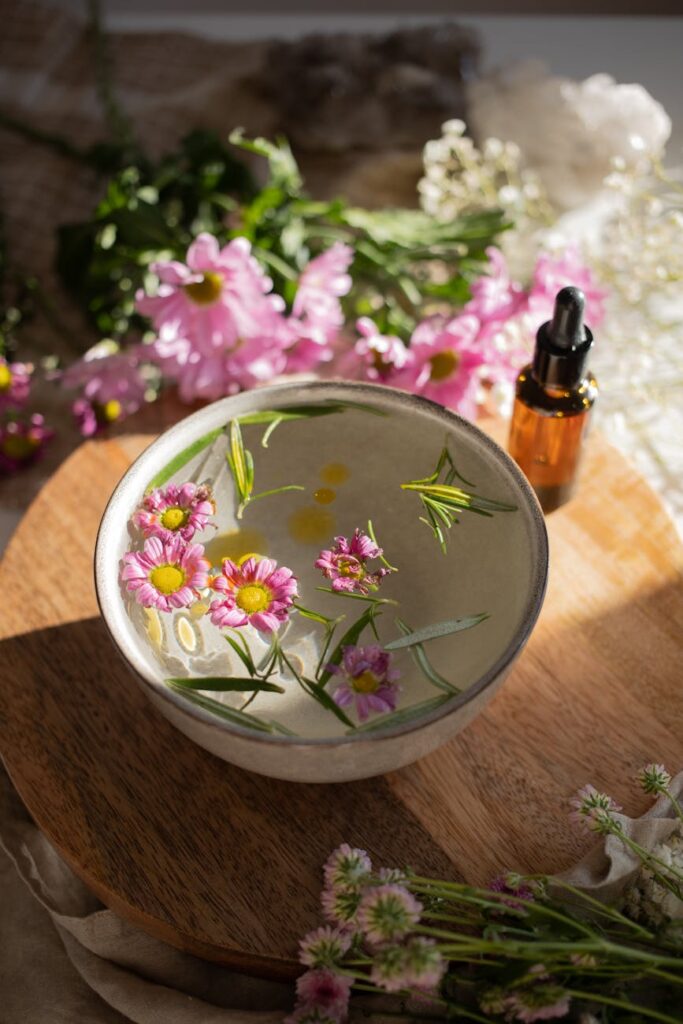
Complete Guide to Floral Waters Part 7
Introduction
Floral waters, also known as hydrosols, are aromatic byproducts of the steam distillation process used to extract essential oils from plants. They carry the delicate scent and properties of the original botanical material, making them a versatile addition to both personal care and household products. This guide explores the nature of floral waters, their benefits, applications, and important safety considerations, providing a comprehensive resource for anyone interested in incorporating these fragrant liquids into their lives.
What Is Floral Waters?
Floral waters are created during the distillation of plant materials, primarily flowers, but also leaves, fruits, and roots. When steam is passed through the plant material, essential oils are released. As the steam cools and condenses, two distinct layers form: the essential oil, which floats on top, and the floral water, which remains below. Unlike essential oils, floral waters are much less concentrated and contain water-soluble compounds, making them gentler and suitable for a variety of uses.
Floral waters typically retain the essence of the plant, including its aroma and some therapeutic properties, albeit in a milder form. They often come in spray bottles or as part of skincare products, providing an easy way to enjoy the benefits of aromatic plants.
Key Benefits and Properties
Floral waters offer a range of benefits due to their unique composition. Some of their key properties include:
1. Gentle Hydration: Floral waters can provide moisture to the skin without the heaviness of oils, making them suitable for all skin types, including sensitive skin.
2. Soothing Effects: Many floral waters have calming and soothing properties. For example, rose water is often used to alleviate irritation, while chamomile water is known for its ability to calm the skin.
3. Aromatic Experiences: The subtle scents of floral waters can enhance mood and create a tranquil atmosphere, making them popular for use in relaxation and meditation.
4. Natural Toners: Certain floral waters, like witch hazel and rose, can act as natural toners, helping to balance the skin’s pH and tighten pores.
5. Antimicrobial Properties: Some floral waters possess mild antimicrobial qualities, making them useful in skincare formulations.
6. Versatility: Floral waters can be used in various ways, from skincare to culinary applications, making them a versatile addition to any household.
Common Uses
Floral waters have a multitude of applications, both in personal care and household settings. Here are some common uses:
Skincare
- Facial Toner: A gentle toner that can be sprayed or applied with a cotton pad to refresh the skin.
- Makeup Setting Spray: Helps set makeup and gives the skin a dewy finish.
- Soothing Compress: When soaked in a cloth, floral waters can be applied to irritated or inflamed skin.
- Room Spray: A natural way to freshen up a space or create a calming atmosphere.
- Bath Additive: Floral waters can be added to bath water for a relaxing and aromatic experience.
- Flavoring Agent: Some floral waters, like orange blossom or rose water, can be used to flavor desserts, beverages, and savory dishes.
- Laundry Freshener: A few spritzes in the laundry can impart a pleasant fragrance to clothing.
- Natural Cleaning Product: Some floral waters can be added to homemade cleaning solutions for a fresh scent.
- Rose Water: Known for its uplifting and calming properties, rose water can help reduce stress and promote emotional balance.
- Lavender Water: Often used for its soothing and relaxing effects, lavender water is ideal for promoting a sense of calm, particularly before bedtime.
- Neroli Water: Derived from the blossoms of the bitter orange tree, neroli water is often used to reduce anxiety and induce feelings of happiness.
- Chamomile Water: With its calming and anti-inflammatory properties, chamomile water is ideal for promoting relaxation and soothing skin irritations.
- Keep Refrigerated: Some floral waters, particularly those without preservatives, may benefit from refrigeration to extend their freshness.
- Use Dark Bottles: Storing floral waters in dark or amber glass bottles can protect them from light exposure, which can degrade their quality.
- Avoid Contamination: Always use clean hands or a clean applicator to avoid introducing contaminants into the bottle.
Aromatherapy
Culinary
Household
Aromatherapy Applications
In aromatherapy, floral waters can be an excellent alternative to essential oils, particularly for individuals who prefer milder scents or have sensitivities to concentrated oils. Here are some common floral waters used in aromatherapy:
Floral waters can be used in diffusers, added to bathwater, or sprayed directly onto the skin for an aromatic experience.
Safety Considerations
While floral waters are generally safe for use, certain precautions should be taken:
1. Patch Test: Before applying any floral water to the skin, it is advisable to conduct a patch test to check for any allergic reactions or sensitivities.
2. Storage: Floral waters should be stored in a cool, dark place to maintain their quality and prevent degradation.
3. Expiration Dates: Unlike essential oils, floral waters have a shorter shelf life. Be mindful of expiration dates and discard any that have changed in smell or appearance.
4. Dilution: Although floral waters are less concentrated than essential oils, some may still require dilution, especially when used in formulations for sensitive skin.
5. Consultation: If you are pregnant, nursing, or have underlying health conditions, it is advisable to consult a qualified practitioner before using floral waters.
Storage and Shelf Life
Proper storage is essential to prolong the shelf life of floral waters. Here are some tips:
The typical shelf life of floral waters ranges from 6 months to 2 years, depending on their composition and storage conditions. Always check for any changes in color, scent, or consistency before use.
Frequently Asked Questions
1. What is the difference between floral waters and essential oils?
Floral waters are the byproducts of the distillation process used to extract essential oils. They are less concentrated and contain water-soluble compounds, making them milder and suitable for direct application on the skin. Essential oils, on the other hand, are concentrated extracts and should be diluted before use.
2. Can floral waters be used in cooking?
Yes, certain floral waters, such as rose water and orange blossom water, are commonly used in culinary applications to enhance the flavor of desserts and beverages.
3. Are floral waters safe for all skin types?
While floral waters are generally safe for most skin types, it is advisable to conduct a patch test before applying them, especially for individuals with sensitive skin or allergies.
4. How should I store floral waters?
Floral waters should be stored in a cool, dark place, preferably in dark glass bottles. Some may benefit from refrigeration, particularly those without preservatives.
5. What are the benefits of using floral waters?
Floral waters offer gentle hydration, soothing effects, a pleasant aroma, and various skincare benefits. They can be used in personal care, aromatherapy, culinary applications, and household products.
Conclusion
Floral waters represent a unique and versatile aspect of the aromatic world. Their gentle properties, wide range of uses, and delightful fragrances make them a valuable addition to personal care routines, culinary endeavors, and household applications. Understanding their benefits, safe usage, and proper storage can help you fully appreciate the beauty and utility of these fragrant liquids. Whether you are a seasoned aromatherapy enthusiast or a curious newcomer, floral waters offer an accessible way to explore the wonders of botanical scents and their myriad benefits.