
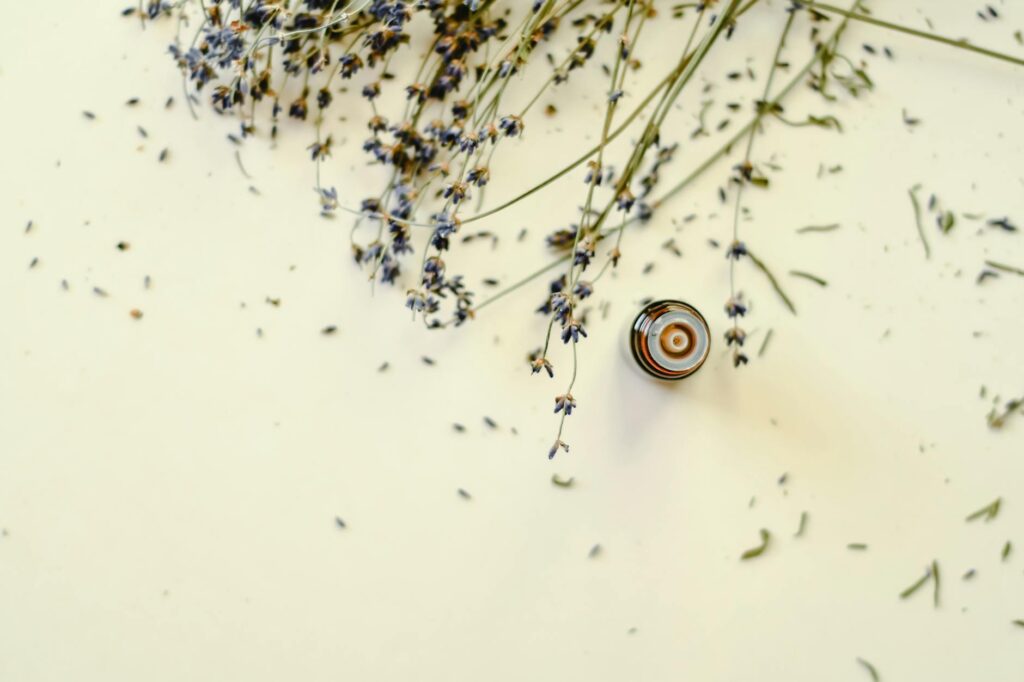
Complete Guide to Floral Waters
Introduction
Floral waters, also known as hydrosols, are aromatic water solutions produced during the steam distillation of essential oils from various plant materials, primarily flowers. They capture the essence of the plant while being milder and more versatile than their concentrated essential oil counterparts. This guide explores the composition, benefits, uses, and safety considerations of floral waters, making it a valuable resource for anyone interested in natural wellness, aromatherapy, and botanical beauty.
What Is Floral Waters?
Floral waters are created as a byproduct of the essential oil distillation process. When plant materials are steamed, the steam extracts both essential oils and water-soluble compounds from the plant. After cooling, the steam condenses back into water, resulting in a fragrant liquid rich in the plant’s therapeutic properties. Unlike essential oils, which are highly concentrated and potent, floral waters maintain a gentler aroma and profile, making them suitable for a wide range of applications.
Floral waters can be produced from various plant species, including flowers, herbs, and even fruits. Common examples include rose water, lavender water, and orange blossom water. Each floral water carries its own unique scent and properties, reflecting the characteristics of the plant from which it is derived.
Key Benefits and Properties
Floral waters possess several beneficial properties, which can vary depending on the source plant. Some key benefits include:
1. Mild Astringent Properties: Many floral waters have astringent qualities, making them effective in toning and tightening the skin. For instance, rose water is often used in skincare for its soothing and balancing effects.
2. Hydration: Floral waters are excellent natural hydrators. They can be used to refresh and moisturize the skin, especially in dry climates or during hot weather.
3. Calming Effects: The gentle aroma of floral waters can have calming and grounding effects on the mind and body. Lavender water, for example, is known for its relaxing properties.
4. Antimicrobial Properties: Some floral waters may exhibit mild antimicrobial effects, making them useful in skincare formulations.
5. Natural Fragrance: Floral waters can serve as a natural alternative to synthetic fragrances, providing a subtle scent without overwhelming intensity.
Common Uses
Floral waters have a wide range of applications, making them versatile additions to beauty, wellness, and culinary practices.
Skincare
- Facial Toners: Floral waters can be used as natural facial toners to refresh the skin and minimize the appearance of pores. They can be applied directly to the skin or mixed with other skincare ingredients.
- Makeup Setting Sprays: A light mist of floral water can help set makeup and impart a dewy finish.
- Soothing Masks: When combined with clay or other natural ingredients, floral waters can enhance the properties of DIY face masks.
- Hair Rinses: Floral waters can be used as a final rinse after shampooing to add shine and fragrance to hair.
- Scalp Refreshers: They can also be applied to the scalp to soothe irritation and promote a healthy environment for hair growth.
- Diffusion: While not as potent as essential oils, floral waters can be added to a diffuser or a bowl of water to release a gentle aroma into the air.
- Massage: Diluted floral waters can be incorporated into massage oils for a soothing touch.
- Bathing: Adding floral waters to bathwater can create a calming and aromatic experience, enhancing relaxation.
- Meditation: The subtle scents of floral waters can contribute to a tranquil atmosphere during meditation practices.
- Use Dark Glass Containers: Store floral waters in dark glass bottles to protect them from light exposure, which can degrade quality.
- Refrigeration: Some floral waters benefit from refrigeration, especially those without preservatives, to prolong their shelf life.
- Check for Signs of Spoilage: Before use, inspect the floral water for changes in color, odor, or consistency. If any signs of spoilage are present, discard the product.
Hair Care
Culinary Uses
Some floral waters, like orange blossom water and rose water, are commonly used in culinary applications. They can enhance the flavor of desserts, beverages, and savory dishes, providing a unique taste profile.
Household Uses
Floral waters can serve as natural air fresheners or fabric sprays, adding a pleasant aroma to living spaces without the harsh chemicals found in commercial products.
Aromatherapy Applications
In aromatherapy, floral waters can be used in various ways, including:
Safety Considerations
While floral waters are generally safe for most individuals, it is important to consider the following guidelines:
1. Patch Test: Before applying any floral water to the skin, conduct a patch test to check for allergic reactions or sensitivities. Apply a small amount on the inner forearm and wait for 24 hours.
2. Dilution: Although floral waters are milder than essential oils, they should still be diluted when used in concentrated forms or combined with other active ingredients.
3. Pregnancy and Nursing: Pregnant or nursing individuals should consult with a healthcare provider before using floral waters, as some may not be suitable during this time.
4. Storage: Ensure floral waters are stored in cool, dark places to prevent deterioration and maintain their quality.
Storage and Shelf Life
Floral waters typically have a relatively short shelf life compared to essential oils, usually ranging from six months to two years, depending on the type and storage conditions. To maximize freshness and potency:
Frequently Asked Questions
How are floral waters different from essential oils?
Floral waters are the byproduct of essential oil distillation, containing water-soluble compounds and a much lower concentration of aromatic constituents. Essential oils are highly concentrated extracts, while floral waters offer a milder alternative.
Can floral waters be ingested?
Some floral waters, such as rose water and orange blossom water, are generally recognized as safe for culinary use. However, it is essential to ensure that the floral water is food-grade and free from additives or preservatives before consumption.
Are floral waters suitable for all skin types?
Most floral waters are gentle and can be used on various skin types. However, individuals with sensitive skin or specific allergies should conduct a patch test before use.
How can I incorporate floral waters into my daily routine?
Floral waters can be used in various ways, including as facial toners, hair rinses, or added to bathwater. They can also be misted on the body for hydration and a pleasant scent throughout the day.
Can I make my own floral water at home?
Yes, it is possible to make floral waters at home using a simple distillation process or by infusing fresh flowers in water. However, the quality and safety of homemade floral waters can vary, so it is crucial to use clean, organic ingredients and proper storage methods.
Conclusion
Floral waters offer a gentle yet effective way to harness the benefits of aromatic plants. Their versatility extends beyond skincare and aromatherapy into culinary and household applications, making them a valuable addition to any natural wellness routine. By understanding their properties, uses, and safety considerations, individuals can effectively incorporate floral waters into their lives, enjoying the aromatic and therapeutic benefits they provide.