
Complete Guide to Floral Woody Aromatherapy Blends
Introduction
Aromatherapy, the therapeutic use of essential oils, has gained popularity for its potential to enhance well-being and promote relaxation. Among the myriad of scent profiles available, floral woody blends stand out for their unique characteristics and benefits. This guide delves into the world of floral woody aromatherapy blends, exploring their definition, benefits, applications, and safety considerations.
What Is Floral Woody Aromatherapy Blends?
Floral woody aromatherapy blends combine the delicate, sweet notes of floral essential oils with the rich, grounding aromas of woody oils. This harmonious fusion creates a complex scent profile that appeals to many individuals.
Floral Essential Oils: These oils are derived from flowers and are typically uplifting and soothing. Common examples include lavender, rose, jasmine, and ylang-ylang.
Woody Essential Oils: These oils originate from the bark, roots, or wood of trees and plants. They tend to have grounding, earthy qualities. Examples include cedarwood, sandalwood, and vetiver.
The combination of these two categories results in a balanced aroma that offers both emotional uplift and a sense of stability.
Key Benefits and Properties
Floral woody aromatherapy blends are celebrated for their multifaceted benefits, which often arise from the individual properties of the essential oils involved.
Emotional and Psychological Benefits
- Calming Effects: Many floral oils, such as lavender, are known for their calming properties, which can help reduce anxiety and promote relaxation.
- Grounding and Centering: Woody oils like cedarwood can evoke feelings of stability and comfort, making them ideal for grounding practices.
- Mood Enhancement: The uplifting notes of floral oils can elevate mood, while woody scents provide a sense of balance.
- Complexity of Scent: The intricate layering of floral and woody notes creates a rich olfactory experience that can evoke memories and emotions.
- Versatility: Floral woody blends can suit various preferences, making them ideal for different settings, from relaxation to social gatherings.
- Cool, Dark Place: Store oils in a cool, dark location to prevent degradation from light and heat.
- Tightly Sealed Containers: Ensure that bottles are tightly sealed to minimize exposure to air.
Physiological Benefits
While a detailed discussion on physiological effects is outside the scope of this guide, it is important to note that many users report improved overall well-being and a sense of vitality when using floral woody blends.
Aromatic Properties
Common Uses
Floral woody aromatherapy blends can be used in numerous ways, catering to personal preferences and lifestyle needs. Here are some common applications:
Home Fragrance
Many individuals use floral woody blends in diffusers to enhance the ambiance of their living spaces. The comforting scent can make a home feel inviting and serene.
Personal Care Products
These blends are often incorporated into personal care items, such as lotions, soaps, and bath products, providing both fragrance and potential skin benefits.
Meditation and Mindfulness
The grounding properties of woody oils, combined with the uplifting nature of floral oils, make these blends an excellent choice for meditation and mindfulness practices.
Emotional Support
Individuals may turn to floral woody blends during times of stress or emotional upheaval, as the scents can provide comfort and reassurance.
Aromatherapy Applications
Floral woody blends can be utilized in various aromatherapy applications.
Diffusion
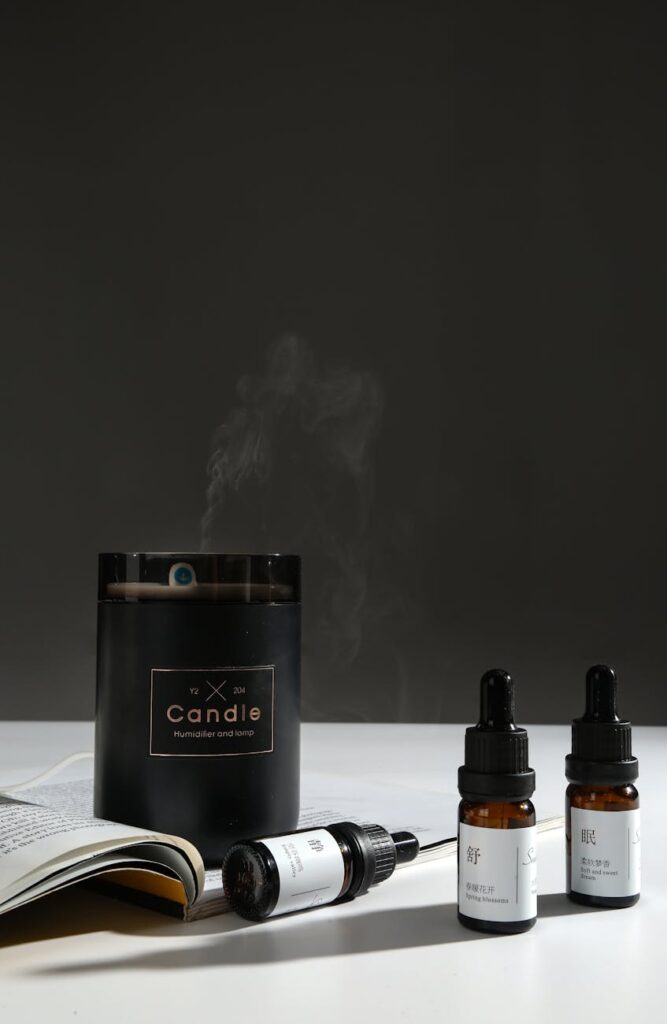
Using an essential oil diffuser is a popular method for dispersing floral woody aromas into the air. This method allows for even distribution and can fill a room with fragrance quickly.
Topical Application
When diluted with a carrier oil, floral woody blends can be applied directly to the skin. This method is often used in massage therapy or personal care routines.
Inhalation
Simply inhaling the scent directly from the bottle or a cotton pad can provide immediate emotional support and stress relief.
Bathing
Adding a few drops of floral woody blends to a warm bath can transform the bathing experience, promoting relaxation and comfort.
Safety Considerations
While floral woody blends offer many benefits, it is crucial to approach their use with care. Here are some key safety considerations:
Dilution
Always dilute essential oils with a carrier oil before topical application to minimize the risk of skin irritation. A common dilution ratio is 2-3% essential oil to carrier oil.
Allergies and Sensitivities
Individuals should conduct a patch test before using a new blend to check for allergic reactions.
Pregnancy and Medical Conditions
Consult with a healthcare professional before using essential oils during pregnancy or if you have existing health conditions.
Quality of Oils
Using high-quality, pure essential oils is vital for safety and effectiveness. Always source oils from reputable suppliers.
Storage and Shelf Life
Proper storage is essential for maintaining the quality and longevity of floral woody essential oils.
Storage Conditions
Shelf Life
Most essential oils have a shelf life of 1 to 3 years, depending on the type. Floral oils tend to have a shorter shelf life compared to woody oils. Regularly check for any changes in scent, color, or viscosity, which may indicate that the oil has gone bad.
Frequently Asked Questions
1. How do I create my own floral woody blend?
To create a custom blend, start by selecting your preferred floral and woody oils. Combine them in a glass bottle, adjusting the ratios to achieve your desired scent profile. Remember to dilute the blend appropriately before applying it to the skin.
2. What are some popular floral woody blends?
Some popular blends include lavender with cedarwood, jasmine with sandalwood, and rose with vetiver. Each combination offers a unique aromatic experience.
3. Can I use floral woody blends for children?
While some floral oils are safe for children, it is crucial to consult a healthcare professional for guidance on age-appropriate oils and proper dilution ratios.
4. How can I incorporate floral woody blends into my daily routine?
You can use these blends in diffusers, personal care products, or during mindfulness practices to enjoy their benefits throughout the day.
5. Are floral woody blends suitable for all skin types?
Not all essential oils are suitable for every skin type. It is advisable to perform a patch test and consult a professional if you have sensitive skin or specific concerns.
Conclusion
Floral woody aromatherapy blends offer a unique combination of uplifting floral notes and grounding woody aromas, making them a versatile choice for promoting emotional well-being and creating a calming atmosphere. By understanding their properties, uses, and safety considerations, individuals can enjoy the many benefits these blends have to offer. Whether you are a seasoned aromatherapy enthusiast or a newcomer to the field, floral woody blends hold a captivating allure that invites exploration and enjoyment.