
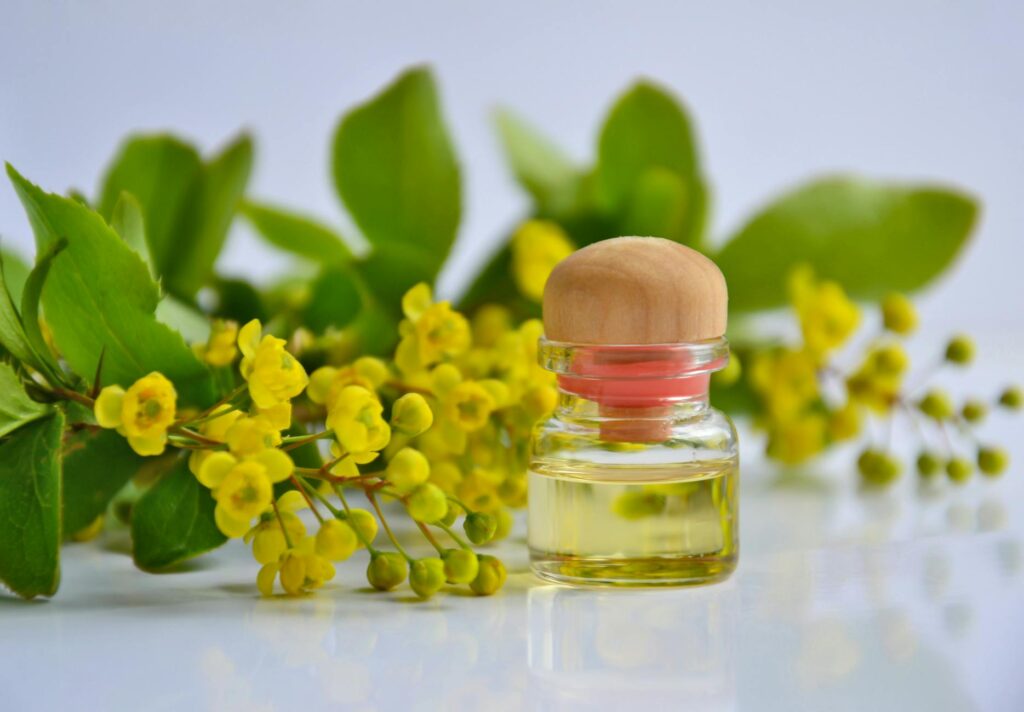
Complete Guide to Fractionated Coconut Oil Part 7
Introduction
Fractionated coconut oil (FCO) is a versatile carrier oil widely used in the realms of aromatherapy, cosmetics, and personal care. Known for its unique properties and benefits, FCO serves as an ideal medium for diluting essential oils and enhancing their application. In this comprehensive guide, we will explore the intricacies of fractionated coconut oil, its benefits, common uses, and more, providing you with a thorough understanding of this essential ingredient.
What Is Fractionated Coconut Oil?
Fractionated coconut oil is derived from the coconut fruit (Cocos nucifera) by a process called fractional distillation. This process separates the long-chain fatty acids from the medium-chain fatty acids, resulting in a product that remains liquid at room temperature. Unlike regular coconut oil, which solidifies when cooled, fractionated coconut oil retains its liquid form, making it more convenient for various applications.
The primary fatty acids in fractionated coconut oil are caprylic and capric acids, both of which contribute to its light texture and rapid absorption into the skin. This oil is odorless and colorless, making it an unobtrusive choice for blending with essential oils and other ingredients.
Key Benefits and Properties
Lightweight and Non-Greasy
One of the most notable characteristics of fractionated coconut oil is its lightweight nature. Unlike many other carrier oils, FCO is non-greasy, allowing for quick absorption by the skin without leaving a heavy residue. This property makes it an excellent option for those who prefer a lighter feel in their skincare routines.
Excellent Skin Penetration
Due to its medium-chain fatty acid composition, fractionated coconut oil penetrates the skin effectively, delivering moisture and nutrients more efficiently than many other oils. This property enhances its ability to nourish the skin while also allowing for the effective delivery of essential oils when blended.
Extended Shelf Life
Fractionated coconut oil has a much longer shelf life than regular coconut oil. The removal of long-chain fatty acids, which can go rancid, contributes to its stability. When stored properly, FCO can last for several years without significant degradation, making it a reliable choice for both personal and commercial use.
Hypoallergenic
Fractionated coconut oil is generally considered hypoallergenic, making it suitable for sensitive skin types. Its gentle nature reduces the likelihood of irritation, making it an ideal carrier oil for those with allergies or sensitivities to other oils.
Common Uses
Skin Care
Fractionated coconut oil is commonly used in skincare formulations due to its moisturizing properties. It can be used as a base for lotions, creams, and serums, enhancing the texture and absorption of these products. Additionally, FCO can be applied directly to the skin to hydrate and soothe.
Hair Care
In hair care, fractionated coconut oil serves as an excellent conditioner and moisturizer. It helps to reduce frizz, improve shine, and nourish dry hair. FCO can be massaged into the scalp to promote healthy hair growth and overall scalp health.
Massage Oil
Due to its smooth texture and skin-penetrating properties, fractionated coconut oil is a popular choice for massage oils. It allows for easy movement over the skin without excessive friction, making it suitable for various massage techniques.
Diluting Essential Oils
Fractionated coconut oil is frequently used to dilute essential oils for topical application. The ability to blend FCO with essential oils makes it an essential component in aromatherapy practices, allowing for safe and effective use of potent essential oils.
Aromatherapy Applications
Blending with Essential Oils
In aromatherapy, fractionated coconut oil is often combined with essential oils to create customized blends for topical application. The neutral scent of FCO allows the therapeutic properties of essential oils to shine without interference from a strong carrier scent.
Diffusion and Inhalation
While FCO is not typically used in diffusers, it can be blended with essential oils that are intended for inhalation. The oil can serve as a base for inhalers or roll-ons designed for stress relief, relaxation, or other emotional benefits.
Skin Treatments
Many aromatherapy practitioners use fractionated coconut oil in skincare formulations aimed at addressing specific skin concerns. For example, it can be combined with essential oils known for their soothing or rejuvenating properties to create a targeted treatment.
Safety Considerations
Patch Testing
As with any new product, it is advisable to perform a patch test before applying fractionated coconut oil or any essential oil blend to a larger area of the skin. This can help identify any potential allergic reactions or sensitivities.
Essential Oil Dilution
When using fractionated coconut oil as a carrier for essential oils, it is important to adhere to recommended dilution ratios. Typically, a dilution of 1-5% is suggested for topical applications, depending on the essential oil’s potency and intended use.
Storage and Usage
Fractionated coconut oil should be stored in a cool, dark place to maintain its quality. Always check for any changes in color or odor before use, although FCO is generally stable for long periods.
Storage and Shelf Life
Fractionated coconut oil’s extended shelf life is one of its key advantages. When stored properly in a cool, dark location away from direct sunlight and heat, FCO can last for up to two years or more. This stability makes it a cost-effective choice for both personal and commercial applications.
Container Considerations
Choosing the right container for storing fractionated coconut oil is important. Glass containers are preferable, as they do not interact with the oil and help preserve its quality. If using plastic, ensure it is of high quality and specifically designed for oil storage.
Frequently Asked Questions
1. Can I use fractionated coconut oil on my face?
Yes, fractionated coconut oil can be used on the face. Its lightweight, non-greasy texture makes it suitable for facial moisturizers or serums. However, if you have particularly oily or acne-prone skin, it is advisable to conduct a patch test first.
2. Is fractionated coconut oil suitable for all skin types?
Fractionated coconut oil is generally considered safe for most skin types, including sensitive skin. However, individual reactions may vary, so conducting a patch test is recommended.
3. Can I use fractionated coconut oil for cooking?
No, fractionated coconut oil is not intended for culinary use. It is primarily used for cosmetic, skincare, and aromatherapy applications.
4. How do I incorporate fractionated coconut oil into my skincare routine?
You can incorporate fractionated coconut oil into your skincare routine by using it as a moisturizer, a base for essential oil blends, or mixed into your regular creams and lotions. It can also be used for massage or as a hair conditioner.
5. Does fractionated coconut oil solidify in cooler temperatures?
No, fractionated coconut oil remains liquid at room temperature and does not solidify, unlike regular coconut oil.
Conclusion
Fractionated coconut oil is a valuable resource in the fields of aromatherapy, skincare, and personal care. Its lightweight texture, excellent absorption properties, and extended shelf life make it a preferred choice for both professionals and enthusiasts alike. By understanding its benefits, uses, and safety considerations, you can effectively incorporate fractionated coconut oil into your daily routines and enjoy its many advantages.