
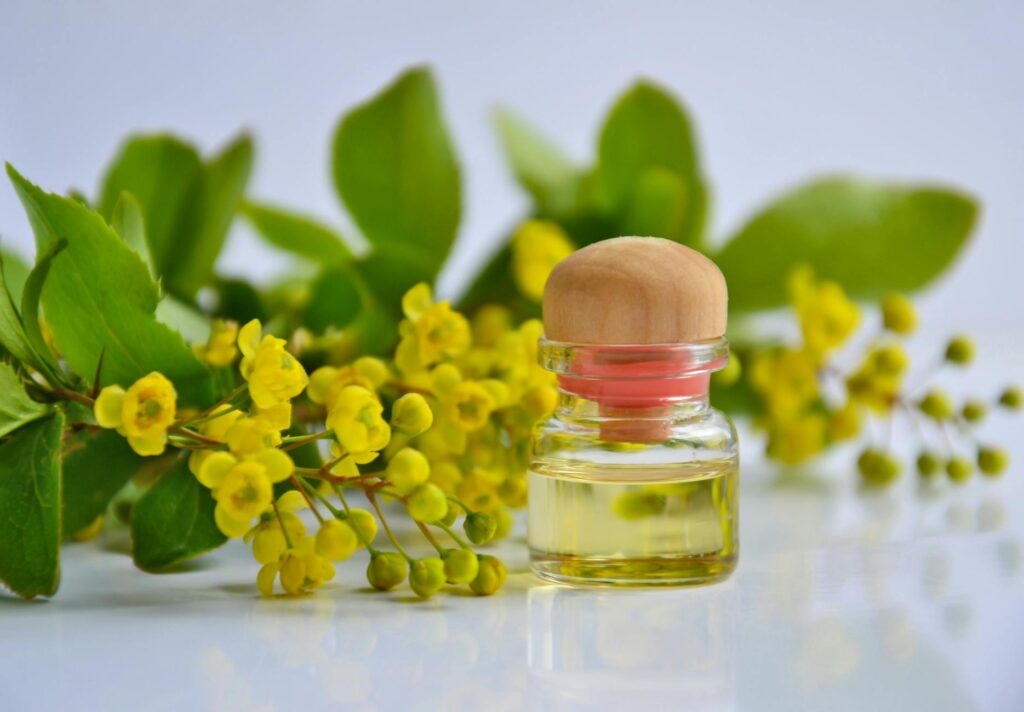
Complete Guide to Frankincense Oil Part 1
Introduction
Frankincense oil, derived from the resin of the Boswellia tree, has been revered for centuries for its aromatic and therapeutic properties. This essential oil has a rich history, spanning various cultures and religious practices. Known for its warm, woody scent, frankincense oil is an integral component of aromatherapy, cosmetics, and even spiritual rituals. In this comprehensive guide, we will explore the origins, properties, benefits, and applications of frankincense oil, providing a detailed resource for enthusiasts and newcomers alike.
What Is Frankincense Oil?
Frankincense oil is extracted from the resin of trees belonging to the Boswellia genus, primarily Boswellia sacra, Boswellia carterii, and Boswellia frereana. These trees are native to regions in the Middle East, particularly Oman, Somalia, and Yemen. The extraction process involves tapping the tree’s bark to collect the resin, which is then dried and distilled to produce the essential oil.
The distinct aroma of frankincense oil is characterized by its earthy, spicy, and slightly sweet notes, making it a popular choice in perfumery and meditation practices. Its historical significance dates back to ancient civilizations, where it was used in rituals, incense, and traditional medicine.
Key Benefits and Properties
Frankincense oil is celebrated for its numerous benefits, which can be attributed to its rich chemical composition. Key properties include:
- Anti-Inflammatory: Frankincense oil is known for its potential to reduce inflammation, which may help alleviate discomfort in various conditions.
- Antimicrobial: The oil possesses natural antimicrobial properties that can help inhibit the growth of certain bacteria and fungi.
- Sedative: It may promote relaxation and tranquility, making it a popular choice for stress relief and emotional balance.
- Astringent: Frankincense oil can help tighten and tone the skin, making it beneficial for skincare applications.
- Expectorant: This property may help in clearing the respiratory tract, supporting respiratory health.
- Skincare: Often used in creams and serums, frankincense oil is valued for its ability to improve skin tone, reduce the appearance of scars, and promote overall skin health.
- Aromatherapy: Inhaling the aroma of frankincense oil can facilitate relaxation, meditation, and improved mental clarity.
- Perfumery: Its warm, rich scent adds depth to perfumes and incense, making it a cherished ingredient in fragrance formulations.
- Household: Frankincense oil can be used in cleaning products due to its antimicrobial properties, helping to purify the air and surfaces.
- Diffusion: Using an essential oil diffuser, frankincense oil can be dispersed into the air, creating a calming atmosphere. This method is particularly effective for meditation practices and relaxation.
- Topical Application: When diluted with a carrier oil, frankincense oil can be applied directly to the skin. This method is often used for skincare or to alleviate tension in specific areas.
- Inhalation: Direct inhalation of frankincense oil from the bottle or by placing a few drops on a cotton ball can provide immediate calming effects.
- Bathing: Adding a few drops of frankincense oil to a warm bath can create a soothing experience, promoting relaxation and stress relief.
- Dilution: Always dilute essential oils with a suitable carrier oil before applying them to the skin. This helps prevent skin irritation and enhances absorption.
- Patch Test: Before using frankincense oil topically, conduct a patch test on a small area of skin to check for any allergic reactions or sensitivity.
- Pregnancy and Nursing: Pregnant or nursing individuals should consult a healthcare professional before using frankincense oil.
- Medical Conditions: Those with existing medical conditions or those taking medications should seek guidance from a qualified professional to ensure safe use.
- Container: Store frankincense oil in a dark glass bottle to protect it from light degradation. Avoid plastic containers, as some essential oils can degrade plastic over time.
- Temperature: Keep the oil in a cool, dry place away from direct sunlight and heat sources. Ideal storage conditions are typically between 60°F and 75°F (15°C to 24°C).
- Shelf Life: When stored properly, frankincense oil can last for several years. However, it is advisable to check for any changes in aroma, color, or consistency, which may indicate that the oil has degraded.
The diverse chemical constituents of frankincense oil, such as alpha-pinene, boswellic acids, and limonene, contribute to these beneficial properties.
Common Uses
Frankincense oil has a wide range of applications across various fields, including:
Aromatherapy Applications
Frankincense oil is a staple in the practice of aromatherapy, where it is used to enhance emotional well-being, promote relaxation, and support mental clarity. Here are some common methods of application:
Safety Considerations
While frankincense oil is generally considered safe for use, it is essential to follow certain safety guidelines:
It is important to remember that frankincense oil is for external use only and should not be ingested unless under the supervision of a qualified practitioner.
Storage and Shelf Life
Proper storage of frankincense oil is crucial to maintain its quality and potency. Follow these guidelines:
Frequently Asked Questions
1. What is the history of frankincense oil?
Frankincense oil has been used for thousands of years, primarily in religious and spiritual practices. It was one of the gifts presented to the baby Jesus by the Wise Men and has been a key ingredient in incense for various cultures, including ancient Egypt, where it was used in embalming and rituals.
2. Can frankincense oil be used for cooking?
Frankincense oil is not typically used for culinary purposes due to its concentrated nature and potential for toxicity in large quantities. It is primarily intended for external use, aromatherapy, and cosmetic applications.
3. How can I incorporate frankincense oil into my daily routine?
Incorporating frankincense oil can be done through various methods, such as adding it to skincare products, using it in a diffuser for relaxation, or applying it to pulse points for a soothing effect throughout the day.
4. Is frankincense oil suitable for children?
Frankincense oil can be used with children, but it is important to dilute it appropriately and consult with a healthcare professional or qualified aromatherapist for guidance on age-appropriate use.
5. Where can I purchase high-quality frankincense oil?
High-quality frankincense oil can be found in health food stores, specialty aromatherapy shops, and online retailers. Look for oils that are labeled as 100% pure and organic to ensure the best quality.
—
In the next installment of this guide, we will delve deeper into the specific applications of frankincense oil in skincare and explore its potential benefits for emotional well-being. Stay tuned for more insights into this remarkable essential oil.