
Complete Guide to Frankincense Oil Part 12
Introduction
Frankincense oil, derived from the resin of the Boswellia tree, has been cherished for centuries across various cultures for its aromatic and therapeutic properties. Known for its rich, woody scent, this essential oil has transcended time, finding a place in religious rituals, traditional medicine, and modern aromatherapy practices. This guide delves deeply into the nature of frankincense oil, exploring its origins, benefits, uses, and applications in everyday life.
What Is Frankincense Oil?
Frankincense oil is extracted from the resin of several species of the Boswellia tree, primarily Boswellia sacra, Boswellia serrata, and Boswellia carterii. The resin is harvested through a process known as tapping, where incisions are made in the tree bark to allow the sap to ooze out and harden into a gum-like resin. Once collected, the resin is steam distilled to produce the essential oil.
This oil is characterized by its golden to amber color and is often recognized for its warm, spicy, and slightly sweet fragrance. Historically, frankincense was one of the gifts presented to the Christ child by the Magi, symbolizing its value and significance throughout history.
Key Benefits and Properties
Frankincense oil is renowned for its numerous benefits and properties, which include:
1. Anti-inflammatory Properties
Frankincense has been studied for its potential anti-inflammatory effects. This can make it a popular choice for those seeking relief from discomfort associated with inflammation.
2. Relaxation and Stress Relief
The soothing aroma of frankincense oil is believed to promote relaxation and calmness. It is often used in meditation practices to enhance focus and clarity.
3. Skin Health
Due to its potential astringent and rejuvenating properties, frankincense oil is frequently included in skincare formulations. It may help improve the appearance of scars and blemishes, promoting an even skin tone.
4. Immune Support
Frankincense oil has been associated with supporting the body’s natural defenses. Its antioxidant properties contribute to overall wellness.
5. Respiratory Health
The oil may aid in promoting clear airways and can be beneficial when used in diffusers during respiratory discomfort.
Common Uses
Frankincense oil is versatile and can be utilized in various ways. Some common uses include:
1. Diffusion
Adding a few drops of frankincense oil to a diffuser can fill a room with its calming aroma, making it an excellent choice for relaxation and meditation spaces.
2. Topical Application
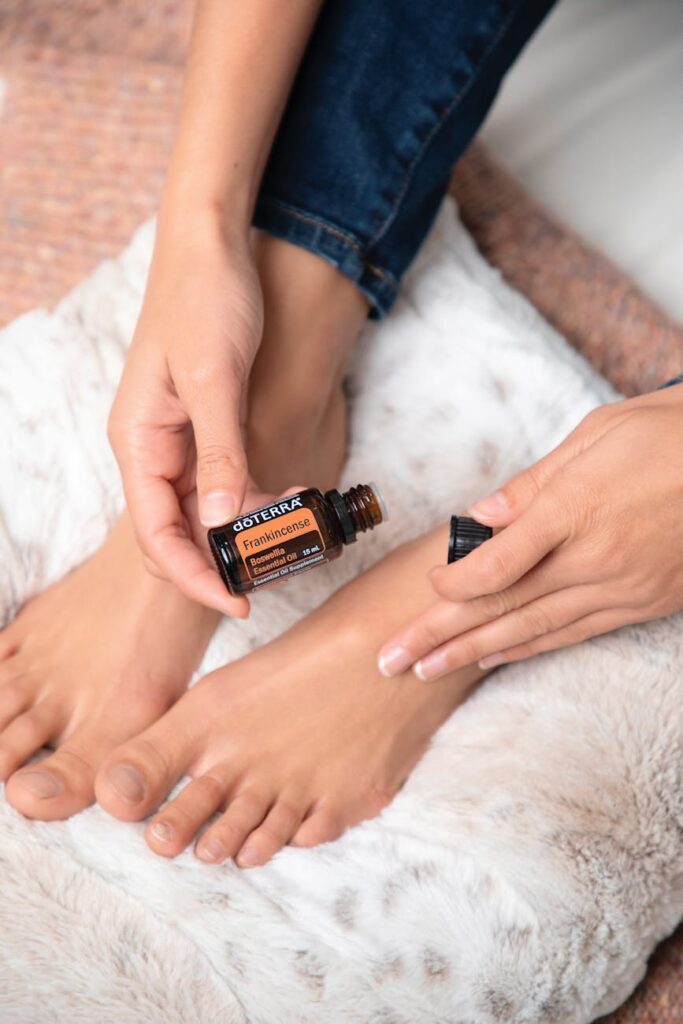
When diluted with a carrier oil, frankincense can be applied to the skin for its potential skin-enhancing properties. This includes areas of concern such as scars or dry patches.
3. Bath Additive
Incorporating frankincense oil into bathwater can create a soothing experience, helping to unwind after a long day.
4. Massage Oil
Combined with a carrier oil, frankincense can be used in massage, promoting relaxation and aiding in muscle tension relief.
5. Household Cleaner
The antimicrobial properties of frankincense make it a suitable option for natural cleaning solutions, contributing to a fresher environment.
Aromatherapy Applications
Frankincense oil is a staple in aromatherapy, appreciated for its grounding and balancing effects. Here are some ways to incorporate it into your aromatherapy routine:
1. Meditation and Mindfulness
For meditation practices, diffusing frankincense can help create a serene environment, promoting deeper focus and a tranquil state of mind.
2. Emotional Balance
The oil is often used to help alleviate feelings of anxiety and stress. Inhaling its aroma or applying it to pulse points can promote emotional stability.
3. Spiritual Practices
Frankincense has been used in religious and spiritual rituals for centuries. It can be burned as incense or used in prayer and meditation to enhance spiritual connection.
4. Sleep Aid
Diffusing frankincense oil before bedtime may help create a calming atmosphere conducive to restful sleep.
Safety Considerations
While frankincense oil is generally considered safe for use, several precautions should be taken:
1. Dilution
Essential oils are highly concentrated and should always be diluted with a carrier oil before topical application to avoid skin irritation.
2. Allergy Test
Before using frankincense oil, perform a patch test to check for allergic reactions. Apply a small diluted amount to an inconspicuous area of skin and wait for 24 hours.
3. Pregnancy and Nursing
Consultation with a healthcare professional is advised for pregnant or nursing women before using essential oils, including frankincense.
4. Children and Pets
Keep frankincense oil out of reach of children and pets. It is advisable to consult with a qualified practitioner when considering its use around children or animals.
Storage and Shelf Life
To preserve the quality and efficacy of frankincense oil, proper storage is essential:
1. Storage Conditions
Store frankincense oil in a cool, dark place away from direct sunlight. Keeping it in a dark glass bottle helps protect it from light exposure.
2. Shelf Life
Frankincense oil has a shelf life of approximately 3 to 5 years when stored properly. Always check for changes in aroma or consistency, which may indicate that the oil has gone bad.
Frequently Asked Questions
1. Can I use frankincense oil directly on my skin?
It is recommended to dilute frankincense oil with a carrier oil before applying it to the skin to avoid irritation.
2. What are some common carrier oils for dilution?
Common carrier oils include jojoba oil, sweet almond oil, and coconut oil. These oils help dilute essential oils while providing additional skin benefits.
3. Is frankincense oil safe for children?
While frankincense oil can be used safely around children, it is essential to dilute it appropriately and consult a healthcare professional for guidance.
4. How can I incorporate frankincense oil into my skincare routine?
Frankincense oil can be added to lotions, creams, or serums. It is best to start with a small amount and monitor your skin’s response.
5. What should I do if I experience an allergic reaction?
If you experience any adverse reactions, discontinue use immediately and consult a healthcare professional.
Conclusion
Frankincense oil is a remarkable essential oil that has stood the test of time, offering a range of benefits that appeal to modern users. Its versatility in applications from aromatherapy to skincare makes it a valuable addition to any wellness routine. As with any essential oil, understanding its properties, uses, and safety considerations is vital for maximizing its potential. By incorporating frankincense oil thoughtfully, individuals can experience its rich heritage and numerous advantages in their daily lives.