
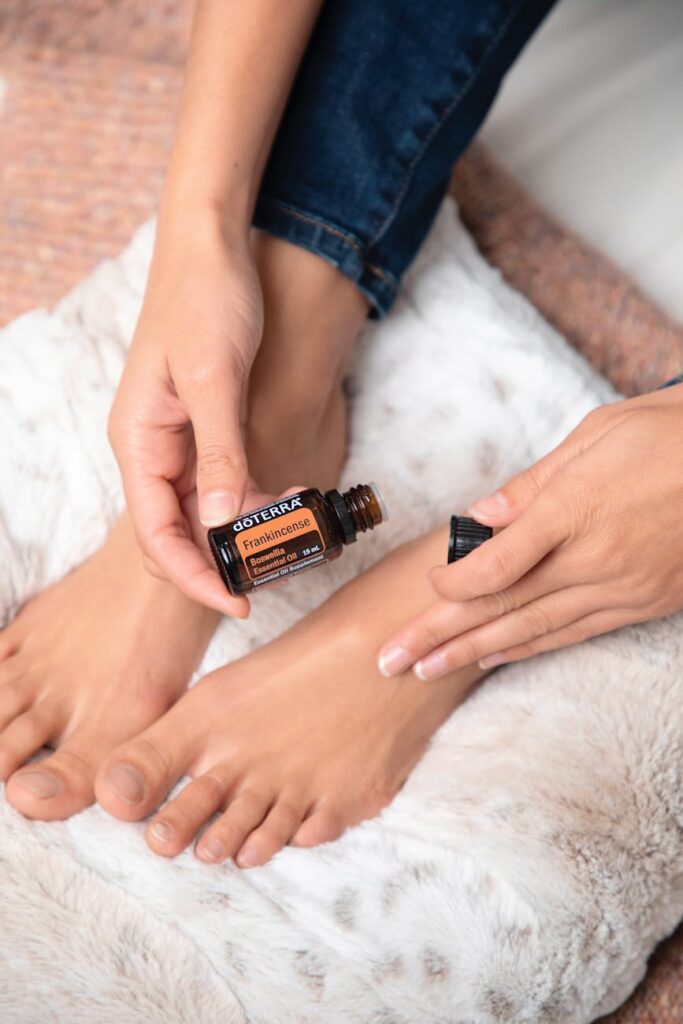
Complete Guide to Frankincense Oil Part 13
Introduction
Frankincense oil has been revered for centuries, known for its potent aroma and a myriad of applications ranging from religious rites to modern wellness practices. This guide seeks to explore the intricacies of frankincense oil, including its origin, benefits, and uses, providing a comprehensive resource for enthusiasts and practitioners alike.
What Is Frankincense Oil?
Frankincense oil is derived from the resin of the Boswellia tree, predominantly found in the arid regions of the Arabian Peninsula, East Africa, and India. The resin is harvested through a process called tapping, where incisions are made in the bark of the tree, allowing the sap to ooze out and harden into a resin. Once collected, the resin is steam distilled to produce the essential oil.
Frankincense has been a part of human culture since ancient times, featured in religious texts and used in ceremonies for its aromatic properties. The oil is characterized by its warm, woody, and spicy scent, making it a favorite in perfumery and aromatherapy.
Key Benefits and Properties
Frankincense oil is celebrated not only for its fragrance but also for its numerous properties:
1. Anti-inflammatory Properties: Frankincense is known for its potential anti-inflammatory effects, which can help in soothing various conditions.
2. Antiseptic Qualities: The oil has natural antiseptic properties, making it useful for cleaning and disinfecting purposes.
3. Anxiolytic Effects: Some studies suggest that frankincense oil may help alleviate feelings of anxiety and stress, promoting a sense of calm and relaxation.
4. Immune Support: Frankincense is often associated with immune system support, potentially aiding the body in fighting off infections.
5. Skin Health: The oil is frequently used in skincare products due to its ability to rejuvenate and promote healthy skin.
These properties make frankincense a versatile essential oil in both traditional and contemporary applications.
Common Uses
Frankincense oil can be used in various ways, including:
- Aromatherapy: Inhalation or diffusion of frankincense oil is popular for its calming effects and ability to enhance mood.
- Massage: When diluted with a carrier oil, frankincense can be used in massage therapy to promote relaxation and alleviate tension.
- Skincare: Added to creams, lotions, or oils, frankincense can improve skin texture and appearance.
- Household Cleaning: Due to its antiseptic properties, frankincense oil can be included in homemade cleaning solutions.
- Meditation and Spiritual Practices: The oil is often used in spiritual rituals to enhance focus and mindfulness.
- Dilution: Always dilute frankincense oil with a carrier oil before applying it to the skin to prevent irritation.
- Patch Test: Conduct a patch test on a small area of skin before widespread use to ensure there are no allergic reactions.
- Pregnancy and Nursing: Pregnant or nursing individuals should consult a healthcare provider before using frankincense oil.
- Sensitivity: Those with sensitive skin or a known allergy to frankincense should avoid topical application and consult a healthcare professional.
- Interactions: Frankincense oil may interact with certain medications. It is advisable to consult a healthcare professional if you are on medication or have underlying health conditions.
- Containers: Store frankincense oil in dark glass bottles to protect it from light, which can degrade the oil’s properties over time.
- Temperature: Keep the oil in a cool, dry place away from direct sunlight and heat sources. Excessive heat can alter the oil’s chemical composition.
- Shelf Life: When stored correctly, frankincense oil can last for several years. However, it is advisable to check for changes in smell or consistency before use, as these may indicate degradation.
Aromatherapy Applications
In aromatherapy, frankincense oil is prized for its grounding and centering properties. It is believed to help connect the mind and body, making it an ideal choice for meditation practices.
Diffusion: Using an essential oil diffuser, frankincense can fill a space with its rich aroma, promoting relaxation and enhancing the atmosphere for meditation or yoga.
Inhalation: Placing a few drops of frankincense oil on a tissue or cotton ball and inhaling can provide immediate calming effects.
Topical Use: For topical applications, frankincense should always be diluted with a carrier oil, such as jojoba or coconut oil. This method allows for the absorption of its properties through the skin while minimizing the risk of irritation.
Safety Considerations
While frankincense oil is generally regarded as safe for most people, it is essential to observe certain precautions:
Storage and Shelf Life
Proper storage of frankincense oil is crucial to maintaining its quality and efficacy:
Frequently Asked Questions
1. Can frankincense oil be ingested?
Ingesting essential oils is generally not recommended unless under the guidance of a qualified healthcare professional. Frankincense oil can be toxic in high concentrations and may cause adverse reactions.
2. What types of frankincense oil are available?
There are several types of frankincense oil, primarily sourced from different species of the Boswellia tree. The most common types include Boswellia serrata, Boswellia carterii, and Boswellia frereana. Each type has its unique aroma and properties.
3. How can I use frankincense oil for skincare?
For skincare, frankincense oil can be mixed with a carrier oil or added to creams and lotions. It is often used to help with scarring and uneven skin tone due to its rejuvenating properties.
4. Is frankincense oil safe for children?
While frankincense oil can be safe for children in diluted forms, it is essential to consult with a healthcare professional before use, particularly for young children.
5. What should I look for when purchasing frankincense oil?
When choosing frankincense oil, look for high-quality, pure essential oil that is free from fillers or additives. It is advisable to purchase from reputable brands that provide information about the oil’s sourcing and extraction methods.
Conclusion
Frankincense oil is a remarkable essential oil with a rich history and a wide range of applications. Its benefits extend across various domains, including aromatherapy, skincare, and spiritual practices. Understanding its properties, uses, and safety considerations allows users to harness its potential effectively. Whether you are a novice or an experienced practitioner, frankincense oil can enrich your wellness journey and enhance your everyday experiences.