
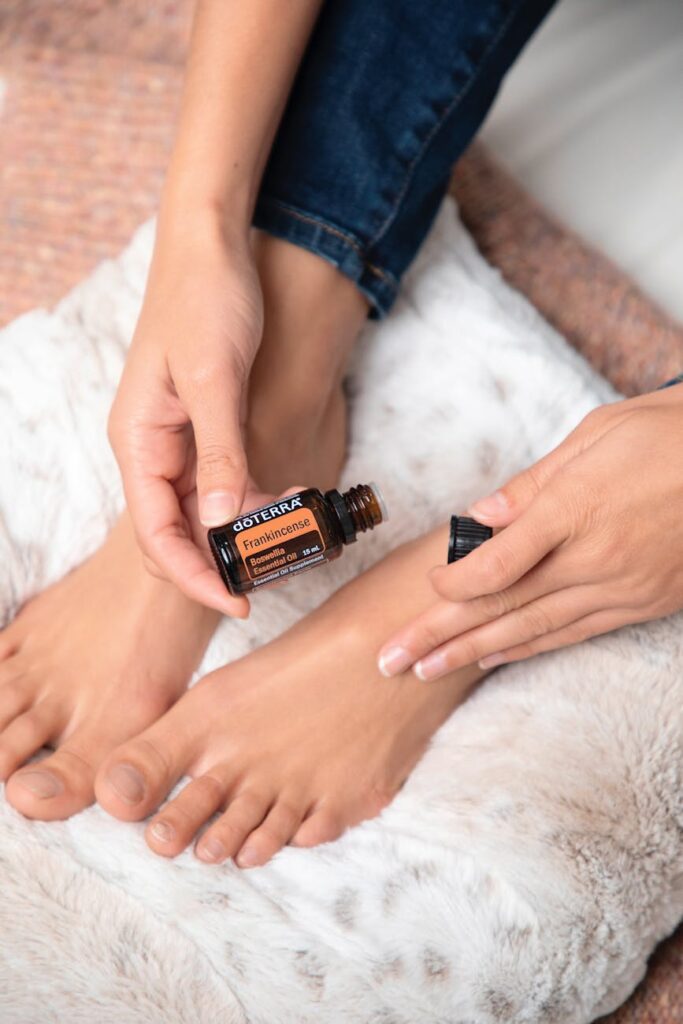
Complete Guide to Frankincense Oil Part 14
Introduction
Frankincense oil has long been revered for its multifaceted benefits, historical significance, and aromatic qualities. Extracted from the resin of the Boswellia tree, this essential oil has found its place in various cultural and spiritual practices across the globe. In this comprehensive guide, we will explore what frankincense oil is, its properties, uses, applications in aromatherapy, safety considerations, and how to store it effectively.
What Is Frankincense Oil?
Frankincense oil is derived from the resin of the Boswellia genus, particularly Boswellia sacra, Boswellia carterii, and Boswellia frereana. The process of obtaining the oil begins with harvesting the resin from the tree bark, which is then dried and steam distilled to extract the essential oil. This oil is known for its warm, woody aroma, often described as both soothing and uplifting.
Historically, frankincense has been an essential part of religious rituals and traditional medicine, particularly in regions such as the Middle East, North Africa, and parts of Asia. Its significance dates back thousands of years, where it was used in ancient Egyptian embalming practices and as a valuable trade commodity.
Key Benefits and Properties
Frankincense oil is celebrated for its diverse range of benefits and properties:
- Anti-inflammatory: Many studies suggest that frankincense may help reduce inflammation, making it beneficial for skin and joint health.
- Astringent: This property can contribute to skin tightening and improving the appearance of fine lines and wrinkles.
- Antiseptic: The oil possesses antiseptic qualities that may help protect against infections when applied topically.
- Calming and grounding: The aroma of frankincense is often used to promote relaxation and reduce feelings of anxiety.
- Immune support: Some proponents believe that inhaling frankincense may support the immune system.
- Spiritual enhancement: Traditionally, frankincense has been used in meditation and spiritual practices to enhance focus and deepen the connection to the divine.
- Dilution: Always dilute essential oils with a carrier oil before applying them to the skin. This helps prevent skin irritation and sensitization.
- Patch Test: Conduct a patch test on a small area of skin to check for any allergic reactions before widespread use.
- Pregnancy and Nursing: Pregnant or nursing women should consult a healthcare professional before using frankincense oil.
- Allergic Reactions: Individuals with known allergies to frankincense or its botanical family should avoid its use.
- Medical Conditions: Those with pre-existing medical conditions or those taking medications should consult a healthcare professional before using frankincense oil.
- Keep it Cool: Store frankincense oil in a cool, dark place away from direct sunlight. Heat and light can degrade the oil over time.
- Use Dark Glass Containers: Essential oils should be stored in dark glass bottles to protect them from light exposure.
- Avoid Humidity: Keep the bottle tightly sealed and away from humid environments to prevent contamination.
- Shelf Life: Frankincense oil typically has a shelf life of 3 to 5 years when stored properly. It is advisable to check for any changes in aroma or consistency before use.
Common Uses
Frankincense oil can be utilized in various ways, making it a versatile addition to any essential oil collection:
1. Skincare: Due to its astringent and antiseptic properties, frankincense is commonly added to lotions, creams, and serums to promote healthy skin.
2. Diffusion: When used in a diffuser, frankincense oil can create a calming atmosphere, making it popular for meditation or yoga practices.
3. Massage: Blending frankincense with a carrier oil allows it to be used in massages, providing both physical and emotional relaxation.
4. Scented candles and incense: Frankincense is often incorporated into candles and incense for its aromatic qualities.
5. Household cleaning: A few drops of frankincense oil can enhance homemade cleaning solutions, thanks to its antiseptic properties.
Aromatherapy Applications
In aromatherapy, frankincense oil is often utilized for its calming and grounding effects. Here are some common applications:
1. Relaxation and Stress Relief
Inhalation of frankincense oil can help create a serene environment, assisting in relaxation after a long day. Diffusing the oil in your living space can promote a tranquil atmosphere.
2. Meditation and Spiritual Practices
Many individuals use frankincense oil during meditation to enhance their focus and deepen their spiritual experience. A few drops can be placed on a cotton ball or in a diffuser before starting your practice.
3. Sleep Aid
Frankincense oil can be included in bedtime routines. Adding a few drops to a pillow or using it in a bedtime diffuser blend may promote restful sleep.
4. Emotional Balance
Frankincense has the potential to help balance emotions. Inhaling its aroma can be beneficial during times of stress or anxiety.
Safety Considerations
While frankincense oil is generally considered safe for most individuals, there are several safety considerations to keep in mind:
Storage and Shelf Life
Proper storage of frankincense oil is crucial to maintain its quality and efficacy. Here are some tips for optimal storage:
Frequently Asked Questions
1. What does frankincense oil smell like?
Frankincense oil has a rich, warm, and slightly spicy aroma that is both grounding and uplifting. Its scent is often described as woody, with hints of sweetness.
2. Can frankincense oil be used on the skin?
Yes, frankincense oil can be used on the skin, but it should always be diluted with a carrier oil before topical application to prevent irritation.
3. How can I use frankincense oil for meditation?
To use frankincense oil for meditation, diffuse it in your space, apply a diluted blend to your pulse points, or inhale it directly from the bottle for a calming effect.
4. Is frankincense oil safe for children?
Frankincense oil can generally be used around children, but it is essential to dilute it properly and conduct a patch test first. Always consult a healthcare professional for specific guidance.
5. Can I ingest frankincense oil?
Ingesting essential oils is not recommended unless under the guidance of a qualified healthcare professional. Always consult with a knowledgeable practitioner before considering internal use.
In conclusion, frankincense oil is a versatile essential oil with a rich history and numerous applications in both daily life and spiritual practices. Its calming and grounding properties make it a popular choice among aromatherapy enthusiasts and those seeking to enhance their well-being. Always remember to prioritize safety and proper storage to maximize the benefits of this remarkable oil.